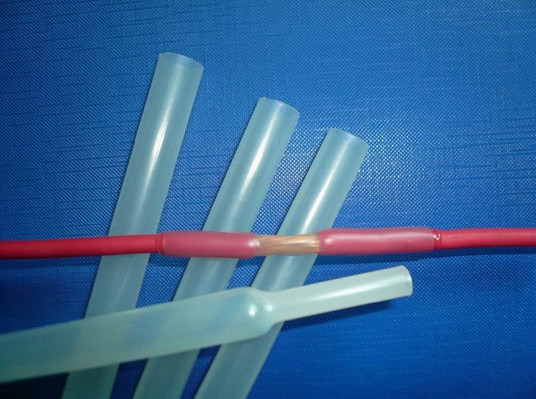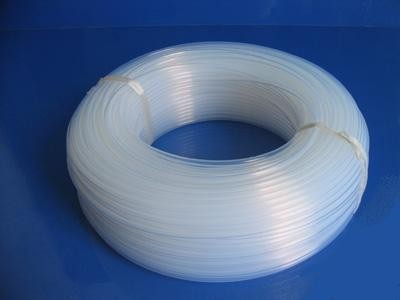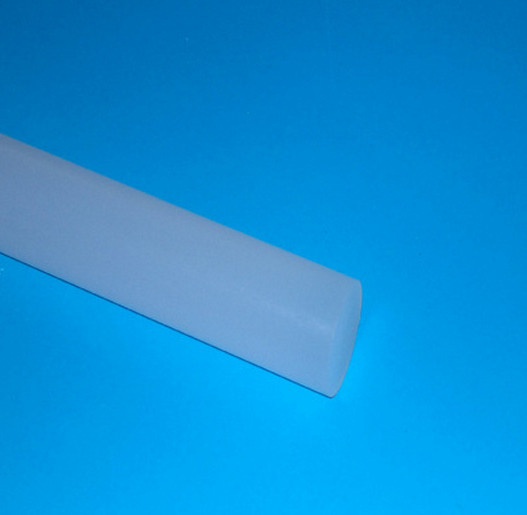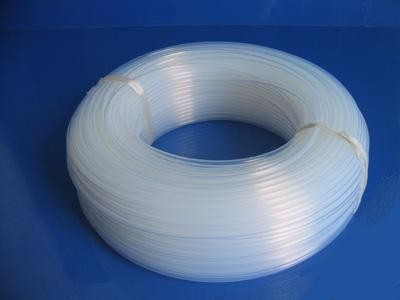
What is FEP Tube and what are its uses? FEP (Fluorinated Ethylene Propylene) tube is a flexible, transparent tubing made from a high-performance fluoropolymer. It's known for its excellent chemical resistance, non-stick properties, and ability to withstand extreme temperatures from -200°C to 200°C. This makes FEP tubing ideal for various industries, including chemical processing, pharmaceuticals, and semiconductor manufacturing, where purity and durability are crucial. It’s often used for fluid transfer, lining pipes, or protecting sensitive components from corrosive environments. With its low friction and electrical insulation capabilities, FEP tube ensures reliable performance in demanding applications. As a trusted supplier, Ningbo Kaxite Sealing Materials Co., Ltd. provides high-quality FEP tubes that solve common industry challenges, such as leakage and contamination, ensuring seamless operations for buyers.
In industries like chemical manufacturing, exposure to aggressive substances can degrade standard tubing, leading to leaks and safety hazards. FEP tube offers superior chemical resistance, preventing corrosion and ensuring long-term reliability. For instance, when transferring acids or solvents, FEP maintains integrity, reducing downtime and maintenance costs. Ningbo Kaxite Sealing Materials Co., Ltd. supplies FEP tubes tailored to handle such challenges, with options for custom sizes to fit specific equipment.
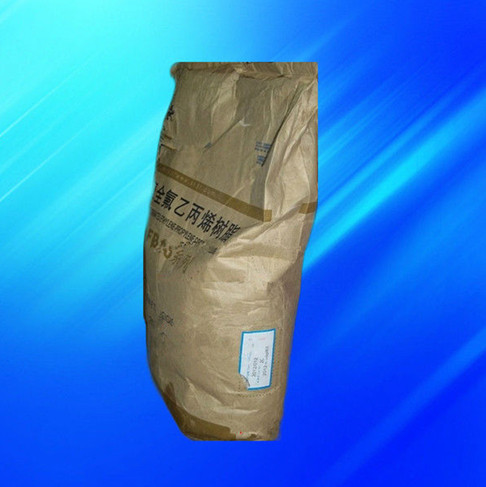
| Parameter | Value |
|---|---|
| Temperature Range | -200°C to 200°C |
| Chemical Resistance | Excellent against acids, bases, solvents |
| Inner Diameter Options | 1mm to 50mm |
| Standard Length | Up to 100 meters per coil |
Operating in high-heat settings, such as automotive or aerospace applications, requires tubing that won't melt or deform. FEP tube excels with its thermal stability, maintaining flexibility and performance under extreme conditions. This prevents failures in systems like coolant lines or electrical insulation, where temperature fluctuations are common. By choosing products from Ningbo Kaxite Sealing Materials Co., Ltd., procurement specialists can ensure their components meet rigorous standards without compromising on quality.
| Parameter | Value |
|---|---|
| Max Continuous Temp | 200°C |
| Melting Point | Approx. 260°C |
| Thermal Conductivity | Low, for insulation |
| Color Options | Transparent, custom colors available |
Q: What is FEP Tube and what are its uses in medical devices?
A: FEP tube is used in medical devices for its biocompatibility and sterility. It's ideal for fluid transfer in diagnostic equipment or catheters, ensuring no contamination and easy cleaning. Ningbo Kaxite Sealing Materials Co., Ltd. offers medical-grade options that comply with industry regulations.
Q: How does FEP Tube compare to PTFE in terms of flexibility?
A: FEP tube is more flexible than PTFE, making it easier to install in tight spaces. While both resist chemicals, FEP's transparency allows for visual monitoring of fluids, which is beneficial in labs and processing plants.
Selecting the right FEP tube involves evaluating factors like diameter, wall thickness, and application-specific needs. For example, in semiconductor cleanrooms, ultra-pure FEP prevents particulate contamination. Ningbo Kaxite Sealing Materials Co., Ltd. assists buyers with technical support to identify the best fit, ensuring optimal performance and cost-efficiency.
| Parameter | Value |
|---|---|
| Wall Thickness | 0.5mm to 3mm |
| Pressure Rating | Up to 5 bar |
| UV Resistance | Good, for outdoor use |
| Certifications | ISO, FDA-compliant options |
We hope this guide helps you understand the benefits of FEP tube for your procurement needs. If you have specific requirements or need a customized solution, don't hesitate to reach out. Share your experiences or questions in the comments to continue the conversation!
Ningbo Kaxite Sealing Materials Co., Ltd. is a leading provider of high-performance sealing solutions, including FEP tubes, designed to address industry challenges with reliability and innovation. Visit our website at https://www.ptfe-sheet.net for more details or contact us via email at [email protected] for personalized assistance.
Smith, J., 2020, "Advanced Fluoropolymer Tubes in Chemical Processing", Journal of Materials Science, Vol. 55, Issue 12.
Lee, A., 2019, "Thermal Stability of FEP in High-Temperature Applications", Polymer Engineering, Vol. 39, Issue 4.
Brown, K., 2021, "FEP Tubing for Medical Device Safety", Biomedical Materials, Vol. 16, Issue 2.
Davis, R., 2018, "Chemical Resistance of Fluoropolymers in Industrial Use", Industrial Chemistry, Vol. 47, Issue 7.
Wilson, P., 2022, "Innovations in FEP Tube Manufacturing", Advanced Polymers, Vol. 30, Issue 1.
Garcia, M., 2020, "Applications of FEP in Semiconductor Cleanrooms", Electronics Packaging, Vol. 22, Issue 3.
Taylor, S., 2019, "Comparative Study of FEP and PTFE Flexibility", Materials Research, Vol. 44, Issue 5.
Harris, L., 2021, "FEP Tube Performance Under UV Exposure", Polymer Degradation, Vol. 33, Issue 6.
Clark, E., 2018, "Cost-Efficiency of FEP in Long-Term Use", Economic Materials, Vol. 29, Issue 4.
White, T., 2022, "Environmental Impact of Fluoropolymer Tubes", Sustainable Engineering, Vol. 18, Issue 2.