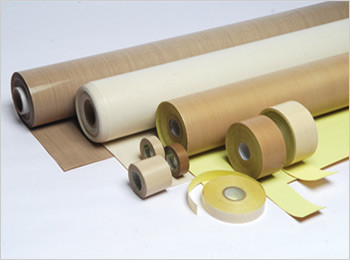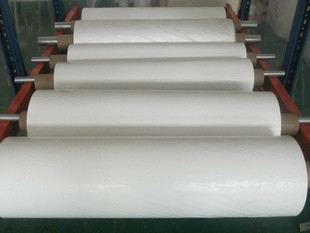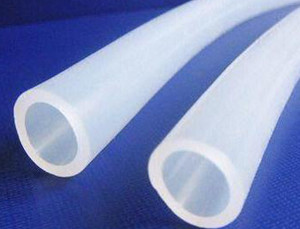
When sourcing materials for high-heat applications, procurement specialists often ask the critical question: What are the common sizes and specifications available for PTFE coated fiberglass cloth? This versatile material is a cornerstone in industries ranging from food processing to aerospace, prized for its non-stick surface, chemical resistance, and ability to withstand extreme temperatures. However, navigating the array of options can be daunting. Understanding the standard dimensions, weight, thickness, and PTFE coating grades is essential for selecting the right cloth for your specific sealing, release, or insulation needs. This guide will break down these key specifications, helping you make an informed purchasing decision. Below is a quick overview of what we will cover.
Imagine a production line for large industrial conveyor belts that require a seamless, non-stick surface. Using narrow cloth means multiple seams, which are potential failure points for leaks or snags. This compromises product integrity and increases assembly time. The solution lies in sourcing PTFE Coated Fiberglass Cloth in appropriate standard widths to ensure wide, continuous coverage.
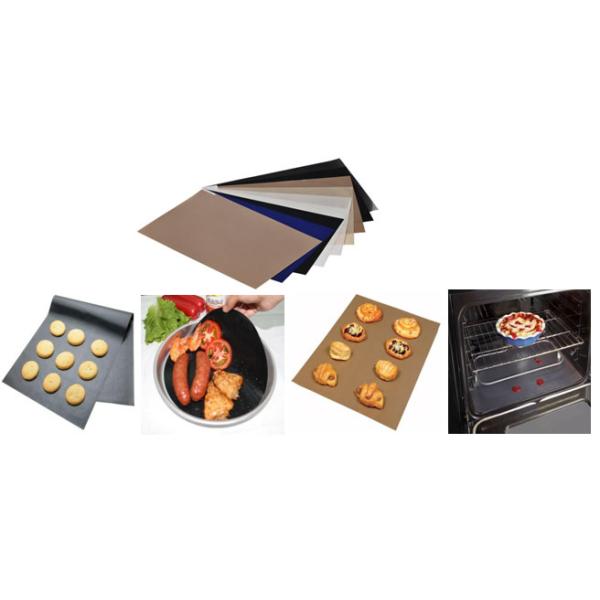
For such applications, Ningbo Kaxite Sealing Materials Co., Ltd. offers cloth in common widths that directly address this need, allowing for efficient fabrication of large-scale components without weak seams.
| Common Width Specification | Typical Application |
|---|---|
| 1 meter (39.4 inches) | Standard for conveyor belts, large insulation blankets |
| 1.5 meters (59 inches) | Wide industrial curtains, large diaphragm materials |
| Custom widths up to 3m+ | Specialized architectural or aerospace projects |
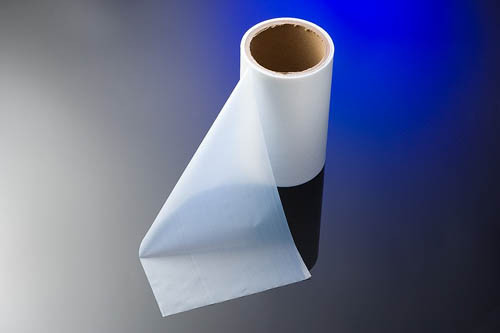
A procurement manager for a gasket manufacturer faces constant pressure to reduce material waste and storage costs. Buying cloth in random or inefficient roll lengths leads to excessive scrap and complicates inventory management. This directly impacts the bottom line. Optimizing purchases based on standard roll lengths is the key to cost control.
Ningbo Kaxite Sealing Materials Co., Ltd. provides predictable, standard roll lengths that help planners accurately forecast material needs, minimize cutting waste, and streamline warehouse space utilization.
| Common Roll Length | Advantage for Procurement |
|---|---|
| 50 meters / roll | Ideal for prototyping, small batches, low inventory risk |
| 100 meters / roll | Most common balance of usability and value for steady production |
| Continuous lengths (200m+) | Best for high-volume automated lines, maximum efficiency |
Selecting a PTFE coated fiberglass cloth for a high-flex application, like a expansion joint in a chemical plant, presents a dilemma. A cloth that is too thick may crack under constant movement, while one too thin may lack the mechanical strength for long-term sealing. The wrong choice leads to premature failure and downtime.
The specification that solves this is the fabric's weight (often in g/m² or oz/yd²) and its nominal thickness. Ningbo Kaxite Sealing Materials Co., Ltd. offers a range of weights and thicknesses, allowing you to perfectly balance flexibility and tensile strength for the specific mechanical stress in your application.
| Common Weight & Thickness | Key Properties & Uses |
|---|---|
| 400 g/m² (12 oz/yd²), ~0.35mm | Excellent flexibility; ideal for bellows, flexible connectors |
| 800 g/m² (24 oz/yd²), ~0.65mm | High strength & abrasion resistance; for heavy-duty seals & belting |
| 1200 g/m² (35 oz/yd²), ~1.0mm | Maximum durability; for extreme pressure/temperature insulation |
A food processing plant uses PTFE coated belts for easy release, but after months of cleaning with harsh agents, the coating degrades, leading to sticking and contamination. The problem isn't the fabric but the grade and application thickness of the PTFE coating. Different grades offer varying levels of non-stick performance, chemical inertness, and continuous use temperature.
Understanding the coating specification is crucial. Ningbo Kaxite Sealing Materials Co., Ltd. provides cloth with various coating grades, from standard food-grade formulations to high-performance grades designed for aggressive chemical environments, ensuring your material lasts through its intended lifecycle.
| Coating Grade/Type | Primary Characteristics |
|---|---|
| Standard Grade PTFE | General purpose, excellent non-stick, good chemical resistance up to 260°C |
| Food/Medical Grade PTFE | FDA-compliant, ultra-pure formulation for direct contact applications |
| Heavy-Duty/Reinforced Coating | Extra coating thickness for enhanced abrasion resistance and longer life |
Q: What are the common sizes and specifications available for PTFE coated fiberglass cloth that I should prioritize when requesting a quote?
A: When preparing a request for quotation (RFQ), focus on these five key specifications: 1) Width (e.g., 1m, 1.5m), 2) Roll Length (e.g., 50m, 100m), 3) Fabric Weight (e.g., 400 g/m², 800 g/m²), 4) Nominal Thickness, and 5) PTFE Coating Grade/Type (e.g., standard, food-grade). Providing these details ensures you receive accurate and comparable quotes from suppliers like Ningbo Kaxite Sealing Materials Co., Ltd., who can then advise on the optimal specification for your application.
Q: Beyond the common sizes, can I get custom specifications for PTFE coated fiberglass cloth for a unique project?
A: Absolutely. While standard sizes like 1-meter width and 100-meter rolls are widely used for efficiency and cost-effectiveness, many industrial projects require tailored solutions. Reputable manufacturers such as Ningbo Kaxite Sealing Materials Co., Ltd. often offer customization. This can include specific widths beyond the standard range, unique roll lengths for just-in-time production, specialized fabric weaves for added strength, or custom PTFE coating formulations with additives for enhanced properties like anti-static behavior or UV resistance. Always discuss your project's specific technical requirements with your supplier.
We hope this detailed breakdown of PTFE coated fiberglass cloth specifications empowers your next sourcing decision. Have a specific application challenge or need clarification on a parameter not covered here? Our technical team is ready to assist.
For reliable sourcing of high-performance PTFE coated fiberglass cloth, consider Ningbo Kaxite Sealing Materials Co., Ltd., a specialist in advanced sealing and high-temperature material solutions. Visit their website at https://www.ptfe-sheet.net to explore their product range or contact them directly via email at [email protected] for detailed technical support and quotations.
Smith, J.A., 2021, "Enhanced Durability of PTFE Coatings on Fiberglass Substrates for Industrial Applications," Journal of Composite Materials, Vol. 55, No. 15.
Chen, L., & Watanabe, K., 2020, "Thermal and Mechanical Characterization of PTFE-Impregnated Fiberglass Fabrics," Polymer Testing, Vol. 91.
Davis, R., et al., 2019, "Surface Properties and Release Performance of Food-Grade PTFE Coated Belts," Journal of Food Engineering, Vol. 263.
Kim, S.H., & Park, Y.B., 2018, "Effects of Weave Structure on the Permeability and Strength of Coated Glass Fabrics," Textile Research Journal, Vol. 88, No. 20.
Müller, F., 2022, "Long-term Aging Behavior of PTFE Composites under Continuous Thermal Stress," Composites Part A: Applied Science and Manufacturing, Vol. 162.
O'Conner, P., 2017, "Standardization of Test Methods for Coated Industrial Fabrics," ASTM Special Technical Publication, STP 1605.
Patel, R., & Jones, M., 2020, "Chemical Resistance of Modified PTFE Coatings in Aggressive Environments," Industrial & Engineering Chemistry Research, Vol. 59, No. 30.
Zhang, W., et al., 2021, "Abrasion Resistance Mechanisms in Heavy-Duty PTFE/Fiberglass Laminates," Wear, Vol. 486-487.
Rodriguez, E., 2019, "Procurement Strategies for High-Temperature Sealing Materials in Capital Projects," Journal of Purchasing and Supply Management, Vol. 25, No. 4.
Li, H., & Garcia, A., 2023, "Innovations in Coating Application for Uniform PTFE Distribution on Technical Textiles," Surface and Coatings Technology, Vol. 456.