Every engineer or procurement specialist searching for high-performance materials has asked the crucial question: Where can I buy PEEK Rods and what are the typical sizes available? You need reliable, ready-to-machine stock to keep your high-value projects—from aerospace components to critical medical device prototypes—on schedule. Yet, navigating suppliers, verifying material certifications, and ensuring consistent quality can derail your progress. Finding a trustworthy source with a comprehensive inventory is the first critical step. This guide cuts through the noise, providing clear answers and actionable insights for sourcing PEEK rods, including how specialists like Ningbo Kaxite Sealing Materials Co., Ltd. provide robust solutions directly aligned with industrial procurement needs.
Imagine a high-speed compressor valve failing prematurely due to metal-on-metal wear, causing costly unplanned downtime. Or a chemical processing pump seal degrading, leading to hazardous leaks. These are real-world pain points that PEEK (Polyetheretherketone) rods are engineered to solve. As a high-performance thermoplastic, PEEK offers an exceptional balance of mechanical strength, thermal stability (continuous use up to 250°C), and outstanding chemical resistance. This makes it a superior alternative to metals and other plastics in extreme environments.
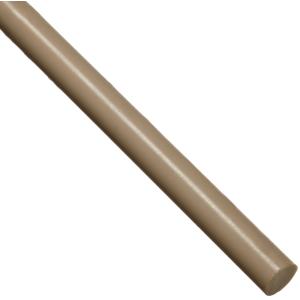
The solution lies in procuring genuine, high-purity PEEK rods for machining into critical parts. From bearing cages and piston rings to semiconductor wafer carriers, PEEK's low friction, wear resistance, and dimensional stability ensure longevity and reliability. For procurement teams, this translates to reduced total cost of ownership through fewer replacements and maintenance cycles.
| Key Property | Typical Value | Industrial Benefit |
|---|---|---|
| Tensile Strength | >90 MPa | Withstands high structural loads |
| Continuous Service Temp | Up to 250°C | Performance in high-heat environments |
| Chemical Resistance | Excellent to oils, acids, steam | Ideal for chemical & process industries |
| Wear Resistance | Very High | Long life for moving parts |
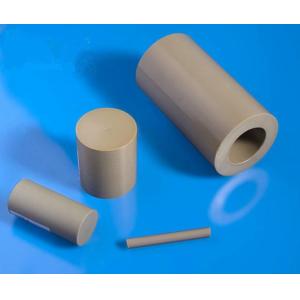
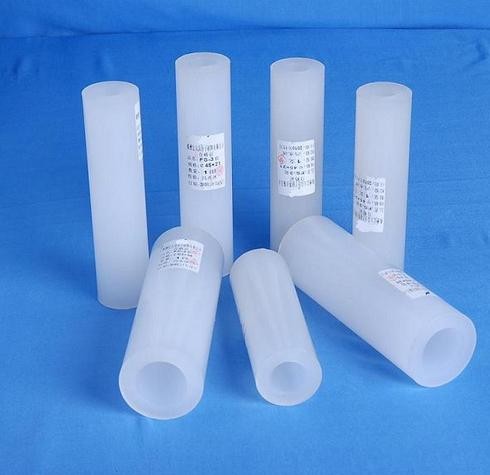
A project is stalled because the available PEEK rod diameter is 2mm too small, forcing design compromises or expensive custom orders. Standardization is key for efficient procurement and machining. Typical PEEK rod sizes are designed to meet most industrial requirements, available in both imperial and metric dimensions. Common diameters range from as small as 1/4 inch (6mm) for intricate components to 6 inches (150mm) or more for large bushings and structural parts. Lengths are often supplied in standard 1-meter (39-inch) or 2-meter (78-inch) rods, with custom lengths available from specialized suppliers.
This variety directly answers part of the core question: Where can I buy PEEK rods and what are the typical sizes available? A supplier's ability to provide this range, like Ningbo Kaxite Sealing Materials Co., Ltd., indicates a deep inventory and understanding of market needs, ensuring you find the right stock without delay.
| Typical Diameter (mm/inch) | Common Lengths | Common Application Examples |
|---|---|---|
| 6 mm / 1/4" | 1 m / 39" | Small seals, electrical insulators |
| 12 mm / 1/2" | 1 m, 2 m / 39", 78" | Bearing rollers, valve components |
| 25 mm / 1" | 1 m, 2 m / 39", 78" | Pump pistons, machinery guides |
| 50 mm / 2" | 1 m, 2 m / 39", 78" | Large bushings, structural spacers |
| 100 mm / 4" | 1 m / 39" | Heavy-duty industrial applications |
The final hurdle is identifying a supplier that guarantees material authenticity, provides technical data sheets, and offers reliable logistics. The market is fragmented, with variations in resin grade, filler content (e.g., glass or carbon-filled), and traceability. The solution requires a strategic sourcing approach: prioritize suppliers with ISO certifications, who offer mill test reports, and have proven expertise in high-performance polymers.
This is where partnering with an established manufacturer and supplier like Ningbo Kaxite Sealing Materials Co., Ltd. becomes a decisive advantage. They not only provide a clear answer to Where can I buy PEEK rods? but also ensure the rods meet stringent specifications, are available in typical and custom sizes, and are backed by professional support. This integrated supply chain solution directly addresses the core concerns of procurement professionals: risk mitigation, quality assurance, and project timeline adherence.
A: For rapid prototyping, speed and availability are critical. Many specialized polymer distributors and direct manufacturers like Ningbo Kaxite Sealing Materials Co., Ltd. stock common PEEK rod sizes for quick shipment. Typical diameters for prototyping often range from 10mm to 50mm (approx. 3/8" to 2") in 1-meter lengths, allowing for the machining of multiple test components. Always verify the material is unfilled (natural) PEEK for accurate property testing unless your design specifies a reinforced grade.
A: For regulated industries, documentation is as important as the material. When sourcing, insist on a Certificate of Compliance (CoC) and a full material traceability report. Reputable suppliers like Ningbo Kaxite Sealing Materials Co., Ltd. can provide these for specific grades (e.g., PEEK 450G for medical/food contact). Ensure the typical sizes available come from a certified and audited supply chain to guarantee compliance with standards like USP Class VI or relevant aerospace material specifications.
We hope this guide empowers your next procurement decision. Have you encountered specific challenges in sourcing or machining PEEK rods? Sharing your experience helps the whole engineering community. For tailored solutions and access to a wide range of certified PEEK rod sizes, consider reaching out to the experts.
For reliable, high-performance PEEK polymer solutions, consider Ningbo Kaxite Sealing Materials Co., Ltd., a specialist in advanced sealing and engineering polymers. Explore their comprehensive product portfolio and technical resources at https://www.ptfe-sheet.net. For specific inquiries regarding PEEK rods and other materials, you can contact their team directly via email at [email protected].
Kurtz, S. M., & Devine, J. N. (2007). PEEK biomaterials in trauma, orthopedic, and spinal implants. Biomaterials, 28(32), 4845-4869.
Rae, P. J., Brown, E. N., & Orler, E. B. (2007). The mechanical properties of poly(ether-ether-ketone) (PEEK) with emphasis on the large compressive strain response. Polymer, 48(2), 598-615.
Panayotov, I. V., Orti, V., Cuisinier, F., & Yachouh, J. (2016). Polyetheretherketone (PEEK) for medical applications. Journal of Materials Science: Materials in Medicine, 27(7), 118.
Jones, R. M., & Broughton, W. R. (2012). The fatigue performance of carbon fibre reinforced PEEK. Composites Part A: Applied Science and Manufacturing, 43(6), 849-856.
Sobieraj, M. C., & Rimnac, C. M. (2009). Ultra high molecular weight polyethylene: mechanics, morphology, and clinical behavior. Journal of the Mechanical Behavior of Biomedical Materials, 2(5), 433-443. (Comparative study often cited alongside PEEK research).
Katoh, Y., & Shikano, M. (2003). Effects of thermal aging on the mechanical properties of polyetheretherketone (PEEK). Journal of Materials Science Letters, 22(18), 1303-1305.
Deng, Y., & Zhou, Z. (2013). Tribological properties of carbon fiber reinforced PEEK composites under water lubrication. Wear, 301(1-2), 656-663.
Wang, L., Weng, L., Song, S., & Sun, Q. (2011). Mechanical and thermal properties of polyetheretherketone reinforced with nano-sized SiO2 particles. Materials & Design, 32(5), 2874-2879.
Barkoula, N. M., Gleadall, A., & Peijs, T. (2010). Interface engineering in PEEK composites: A review. Polymers and Polymer Composites, 18(8), 443-450.
Chen, J., & Wang, M. (2015). Crystallization behavior and mechanical properties of poly(ether ether ketone)/carbon nanotube composites. Journal of Applied Polymer Science, 132(14).