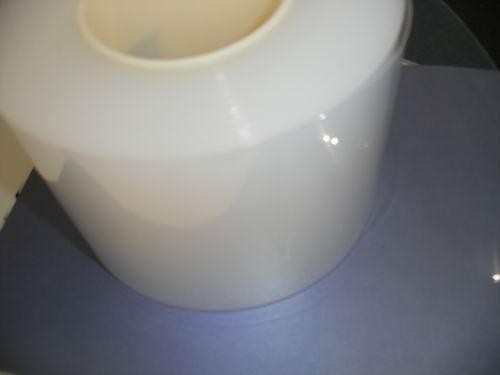
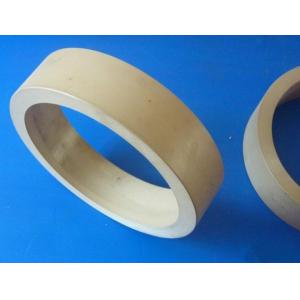
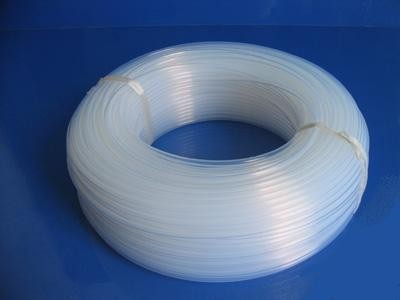
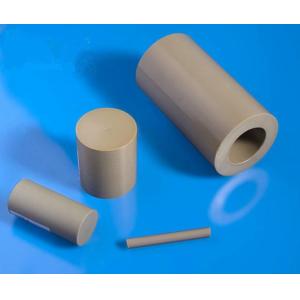
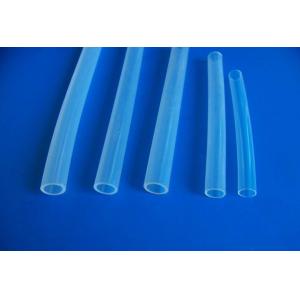
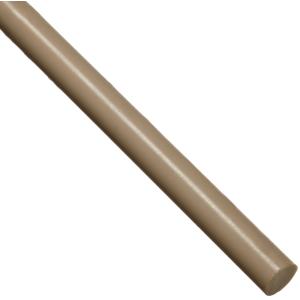
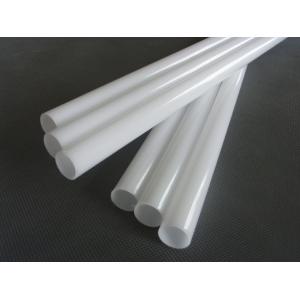
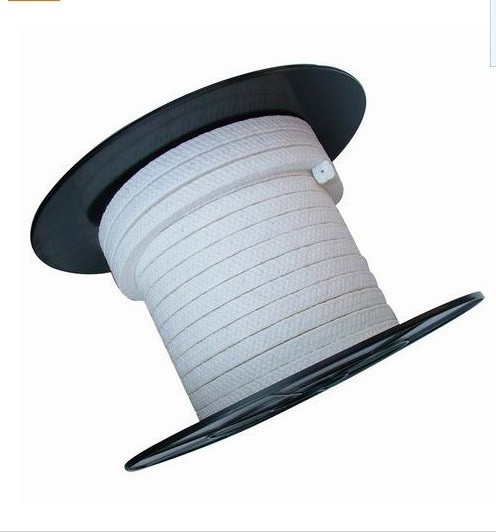
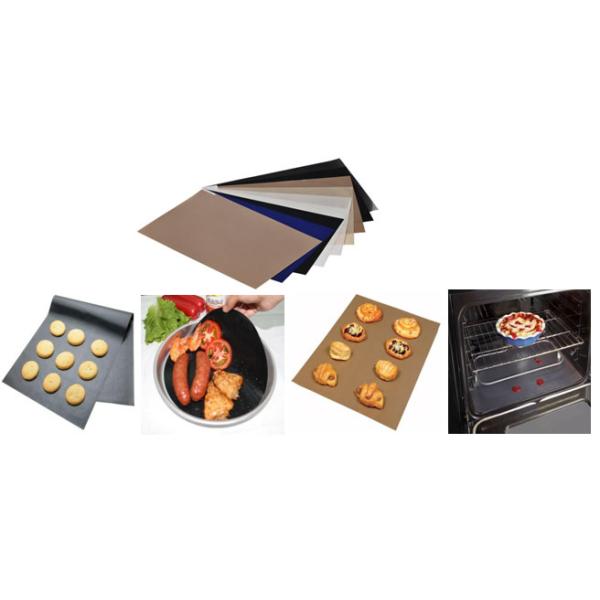
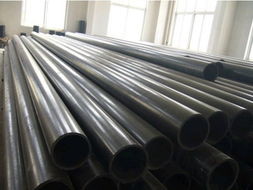
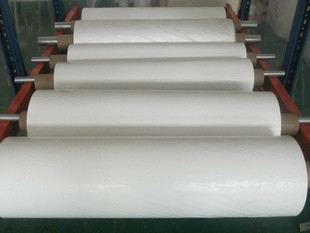
A PTFE Gasket is a sealing component made from Polytetrafluoroethylene, a synthetic fluoropolymer known for its exceptional chemical resistance, high-temperature stability, and low friction properties. These gaskets are widely used in industries where reliable sealing under harsh conditions is critical. PTFE gaskets are non-reactive, making them suitable for handling aggressive chemicals, acids, and solvents, while also providing excellent performance in applications involving extreme temperatures, ranging from cryogenic conditions up to 260°C (500°F). Their versatility and durability make them a preferred choice in chemical processing, pharmaceuticals, food and beverage, and semiconductor manufacturing.
Our PTFE gaskets are engineered to meet stringent industry standards, ensuring optimal performance in demanding environments. Below are the detailed specifications and parameters:
| Property | Value | Test Standard |
|---|---|---|
| Density | 2.15 - 2.20 g/cm³ | ASTM D792 |
| Tensile Strength | 25 - 35 MPa | ASTM D638 |
| Elongation at Break | 300 - 500% | ASTM D638 |
| Compression Set | 40 - 60% | ASTM D395 |
| Thermal Conductivity | 0.25 W/m·K | ASTM C177 |
| Coefficient of Friction | 0.05 - 0.10 | ASTM D1894 |
| Dielectric Strength | 60 kV/mm | ASTM D149 |
| Inner Diameter (mm) | Outer Diameter (mm) | Thickness (mm) | Available Shapes |
|---|---|---|---|
| 10 - 500 | 20 - 600 | 1.5 - 10 | Round, Square, Rectangular |
| 15 - 300 | 30 - 400 | 2.0 - 6.0 | Custom Profiles Available |
| Chemical | Resistance Rating | Remarks |
|---|---|---|
| Hydrochloric Acid | Excellent | No degradation up to 50% concentration |
| Sulfuric Acid | Excellent | Resistant to concentrated solutions |
| Nitric Acid | Good | Limited resistance above 80% concentration |
| Sodium Hydroxide | Excellent | No effect at any concentration |
| Chlorine | Excellent | Fully resistant in gaseous and liquid forms |
| Acetone | Excellent | No swelling or softening |
What is the maximum temperature a PTFE gasket can withstand?
PTFE gaskets can continuously operate at temperatures up to 260°C (500°F). For short-term exposure, they may handle up to 300°C (572°F), but prolonged use above 260°C can lead to decomposition and reduced sealing performance.
Are PTFE gaskets suitable for high-pressure applications?
Yes, PTFE gaskets are effective in high-pressure environments, typically up to 200 bar (2900 psi), depending on the design, thickness, and reinforcement. For higher pressures, reinforced or filled PTFE gaskets are recommended to enhance mechanical strength.
How do I select the right PTFE gasket for my application?
Consider factors such as chemical compatibility, temperature range, pressure requirements, and flange design. Review the chemical resistance chart and material properties to ensure compatibility. For custom applications, consult with our engineering team for tailored solutions.
Can PTFE gaskets be used with all types of chemicals?
PTFE gaskets offer excellent resistance to most chemicals, including strong acids, alkalis, and solvents. However, they may not be suitable for certain reactive metals or fluorine compounds at high temperatures. Always verify chemical compatibility using our resistance chart.
What is the difference between virgin PTFE and filled PTFE gaskets?
Virgin PTFE is pure polytetrafluoroethylene, offering the highest chemical resistance but lower mechanical strength. Filled PTFE includes additives like glass, carbon, or bronze to improve creep resistance, wear resistance, and compression properties, making it suitable for dynamic applications.
How should PTFE gaskets be installed and torqued?
Install PTFE gaskets on clean, flat flanges without sharp edges. Use a crisscross pattern for bolt tightening, and follow the recommended torque values to avoid over-compression, which can cause extrusion or failure. Typical torque values range from 20 to 60 Nm, depending on size and application.
Do PTFE gaskets require any special maintenance?
PTFE gaskets are low-maintenance due to their non-stick and chemical-resistant properties. Regular inspection for signs of wear, extrusion, or damage is recommended. Replace gaskets during routine maintenance if any deformation or leakage is observed.
Are PTFE gaskets environmentally friendly?
PTFE is inert and does not leach harmful substances, making it safe for many applications. However, PTFE production involves fluoropolymers, which should be disposed of properly to avoid environmental impact. Recycling options are available for PTFE materials.
Can PTFE gaskets be custom-made for specific applications?
Yes, we offer custom PTFE gaskets in various shapes, sizes, and filled compounds to meet specific requirements. Provide your application details, including chemical exposure, temperature, pressure, and dimensional drawings for a tailored solution.
What standards do your PTFE gaskets comply with?
Our PTFE gaskets meet international standards such as ASTM D1710, ISO 12086, and FDA CFR 21 for food contact. They are also compliant with industry-specific requirements for pharmaceuticals, semiconductors, and chemical processing.