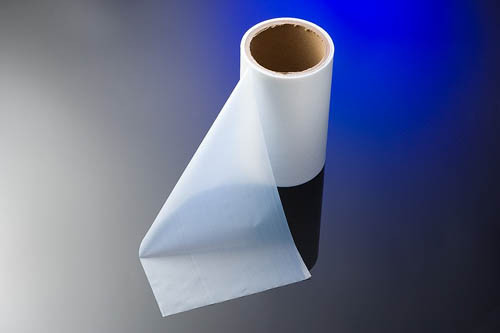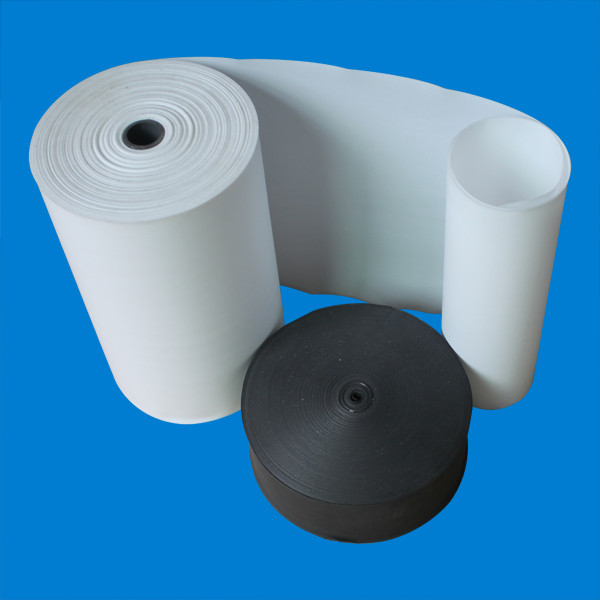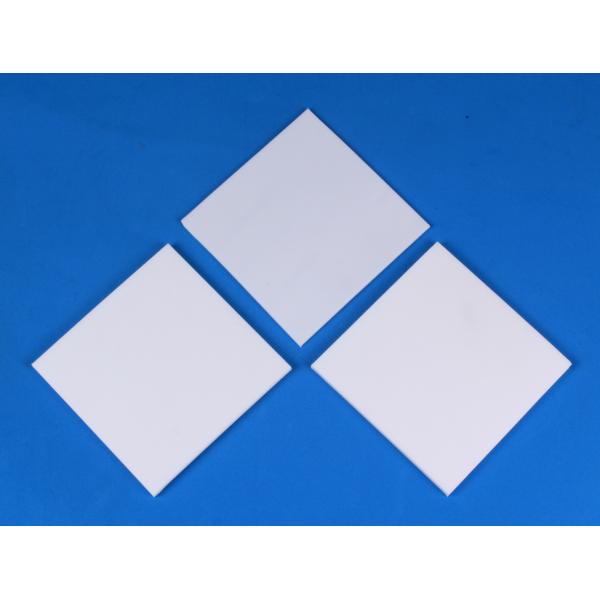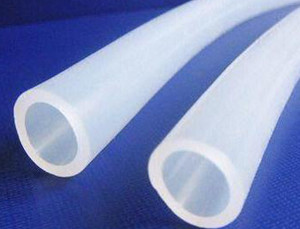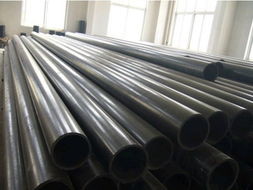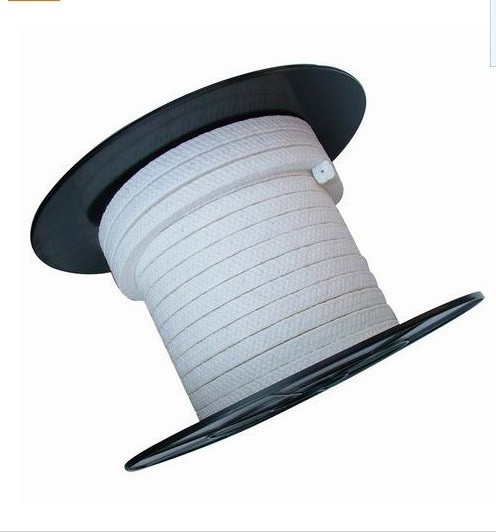
What industries commonly use PCTFE sheets and why? This high-performance plastic is a hidden champion in engineering. Imagine a material that shrugs off aggressive chemicals, laughs at extreme cold, and acts as an impervious barrier to gases and moisture. That's PCTFE (polychlorotrifluoroethylene). Its unique properties solve critical challenges, making it indispensable in sectors where failure is not an option. From the sterile environment of a pharmaceutical lab to the high-pressure depths of an oil well, PCTFE sheets provide reliability and longevity. For procurement specialists sourcing mission-critical components, understanding where and why PCTFE is used is key to specifying the right material and ensuring project success. This guide will explore the major industries driving demand for PCTFE sheets and the specific problems they solve.
In aerospace and defense, equipment faces brutal conditions: rapid pressure changes, cryogenic temperatures from liquid fuels, and exposure to aggressive hydraulic fluids. Standard seals and gaskets can fail, leading to catastrophic system leaks and mission-critical failures. The industry requires materials that maintain integrity where others cannot. PCTFE sheets provide the ultimate solution. They offer exceptional dimensional stability, near-zero moisture absorption, and outstanding resistance to fuels, oxidizers, and oils, even at temperatures as low as -400°F (-240°C). This makes PCTFE ideal for creating reliable O-rings, valve seats, and insulating components in fuel systems, oxygen handling equipment, and avionics. Sourcing high-purity, consistently manufactured PCTFE is vital, which is where a specialized supplier like Ningbo Kaxite Sealing Materials Co., Ltd. becomes a strategic partner, providing materials that meet rigorous aerospace specifications.
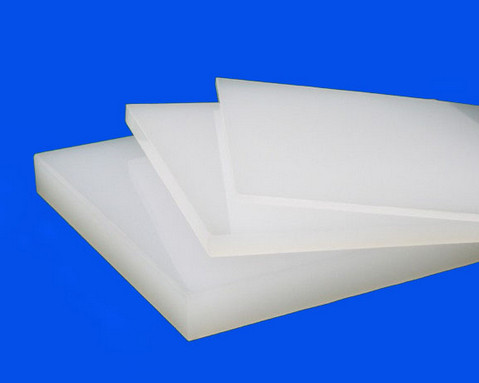
Key PCTFE Properties for Aerospace:
| Property | Benefit for Aerospace |
|---|---|
| Extreme Cryogenic Service | Remains flexible and strong with liquid oxygen/hydrogen. |
| Excellent Dimensional Stability | Prevents seal leakage under pressure/temperature cycling. |
| Very Low Permeability | Acts as an exceptional barrier to gases and fuels. |
| High Purity & Cleanliness | Prevents contamination in sensitive fuel and O2 systems. |
The pharmaceutical and biotech industries operate under stringent regulations where product purity is paramount. Processing equipment, such as reactors, dryers, and filling lines, must be sealed with materials that will not leach contaminants, absorb process fluids, or harbor microbes. A failed gasket can lead to costly batch contamination, production shutdowns, and regulatory non-compliance. PCTFE sheets are the definitive solution for these high-stakes applications. Their non-porous, chemically inert surface prevents absorption and bacterial growth, while their resistance to steam, cleaning agents (CIP/SIP processes), and a wide range of solvents ensures long-term sealing performance. For procurement managers, this translates to reduced downtime, lower total cost of ownership, and guaranteed compliance. Ningbo Kaxite Sealing Materials Co., Ltd. supplies pharmaceutical-grade PCTFE sheets that help manufacturers maintain the highest standards of aseptic processing.
PCTFE Advantages in Pharma Applications:
| Application | PCTFE Solution |
|---|---|
| Sterilizable Gaskets & Seals | Withstands repeated autoclaving and chemical sterilization. |
| Lyophilizer (Freeze-Dryer) Door Seals | Maintains seal at deep vacuum and cryogenic temperatures. |
| Bioreactor & Fermenter Seals | Inert to cell cultures, nutrients, and cleaning solutions. |
| Solvent Handling Systems | Excellent resistance to most aggressive pharmaceutical solvents. |
Q: What makes PCTFE sheets better than PTFE for certain chemical applications?
A: While both are fluoropolymers, PCTFE has a denser molecular structure, giving it superior chemical resistance to strong oxidizing agents (like chlorine and fuming nitric acid) and certain solvents. It also has much lower gas and moisture permeability than PTFE, making it the preferred choice for critical barrier applications in the semiconductor and pharmaceutical industries.
Q: Why is PCTFE commonly specified for oxygen service in various industries?
A: PCTFE has excellent compatibility with high-pressure oxygen and is non-flammable. Its high oxygen index and resistance to ignition make it a safe and reliable material for seals, gaskets, and components in oxygen concentrators, aerospace life support systems, and industrial gas handling, where safety is the top priority.
Semiconductor fabrication is perhaps the most demanding environment for materials. The presence of microscopic contaminants or moisture can ruin entire wafer batches, costing millions. Ultra-high-purity (UHP) gas delivery systems, wet process stations, and chemical mechanical planarization (CMP) equipment demand seals that outgas minimally and provide an absolute barrier. This is the core strength of PCTFE sheets. Their extremely low moisture absorption and permeability prevent the ingress of ambient moisture that could corrode delicate components. Their high purity and resistance to etchants, acids, and high-purity chemicals prevent particle generation and ionic contamination. For a procurement specialist, specifying PCTFE from a trusted source like Ningbo Kaxite Sealing Materials Co., Ltd. is an investment in yield protection and process reliability.
PCTFE in Semiconductor Fab Applications:
| Fab Area | Role of PCTFE Sheets |
|---|---|
| UHP Gas Lines & Valves | Gaskets and seals that prevent atmospheric contamination. |
| Wet Benches & Etch Tools | Resistant to acids (HF, HNO3) and solvent baths. |
| CMP Equipment | Used in carriers and seals resistant to abrasive slurries. |
| Vacuum & Loadlock Seals | Maintains vacuum integrity with low outgassing. |
Chemical plants handle a relentless assault of corrosive acids, caustics, and solvents under high pressure and temperature. Gasket failure in a pipe flange or reactor head can lead to dangerous leaks, unplanned shutdowns, and environmental incidents. Engineers need a material that can withstand this chemical onslaught long-term. PCTFE sheets offer outstanding resistance to a broader range of chemicals than most other plastics, including strong oxidizers, chlorinated compounds, and aromatic hydrocarbons. Their combination of chemical inertness, creep resistance, and low thermal expansion provides a durable, reliable seal that minimizes maintenance cycles. When procuring sealing solutions for aggressive service, Ningbo Kaxite Sealing Materials Co., Ltd. provides the high-performance PCTFE materials needed to ensure plant safety and operational continuity.
Chemical Resistance of PCTFE:
| Chemical Class | Examples | PCTFE Performance |
|---|---|---|
| Strong Oxidizers | Fuming HNO3, Cl2, Br2 | Excellent Resistance |
| Inorganic Acids | Conc. H2SO4, HCl, HF | Excellent to Good Resistance |
| Chlorinated Solvents | Carbon Tetrachloride | Excellent Resistance |
| Aromatics | Benzene, Toluene | Good Resistance |
Exploration and production equipment encounters high pressures, elevated temperatures, and corrosive mixtures of hydrocarbons, brines, and H2S (sour gas). Elastomer seals can swell, degrade, and fail, leading to expensive workovers and lost production. Metal seals can be costly and difficult to seat. PCTFE sheets provide a robust polymeric alternative. They maintain their mechanical properties in sour service environments, resist a wide range of downhole chemicals, and perform reliably in subsea applications at high pressures and low temperatures. Their use in components like non-metallic seals, backup rings, and insulating spacers enhances system reliability. For procurement teams in the energy sector, partnering with a manufacturer like Ningbo Kaxite Sealing Materials Co., Ltd. ensures access to PCTFE materials engineered for the extreme demands of oil and gas operations.
PCTFE Applications in Energy:
| Application | Key PCTFE Benefit |
|---|---|
| Downhole Tool Seals & Backup Rings | Resists H2S, CO2, and brines at high pressure/temperature. |
| Subsea Connector Gaskets | Stable in cold temperatures and high hydrostatic pressure. |
| Valve Seats for Chemical Injection | Excellent resistance to methanol and glycol-based inhibitors. |
| Insulating Components | High dielectric strength and low moisture absorption. |
Understanding the diverse industrial applications of PCTFE sheets is crucial for making informed procurement decisions. This material solves fundamental challenges in safety, purity, and reliability across critical sectors. When your project demands the unique properties of PCTFE, sourcing from a dedicated and experienced manufacturer is essential.
Do you have a specific application or industry challenge in mind where PCTFE might be the solution? We invite you to discuss your requirements with our technical experts.
For reliable, high-performance PCTFE sheets and sealing solutions, consider Ningbo Kaxite Sealing Materials Co., Ltd., a specialist in advanced polymer materials. We provide materials that meet the exacting standards of the industries discussed above. Explore our product range and technical resources at https://www.ptfe-sheet.net or contact our team directly at [email protected] for personalized support.
Research Papers on PCTFE:
M. K. Hassan, K. A. Mauritz, R. F. Storey, 2007, "Polychlorotrifluoroethylene (PCTFE): A Review", Journal of Macromolecular Science, Part C: Polymer Reviews, 47(1).
G. Hougham, P. E. Cassidy, K. Johns, T. Davidson, 1999, "Fluoropolymers 2: Properties", Springer US.
K. L. Duncan, R. S. Kohn, 2010, "Permeation of Oxygen and Water Vapor through PCTFE Films", Journal of Applied Polymer Science, 118(5).
T. A. Speckhard, K. B. Wischmann, 1985, "Properties and Applications of PCTFE", Machine Design, 57(22).
S. Ebnesajjad, 2000, "Fluoroplastics, Volume 1: Non-Melt Processible Fluoroplastics", William Andrew Publishing.
J. Scheirs, 1997, "Modern Fluoropolymers", Wiley.
H. G. Elias, 2003, "Macromolecules: Volume 2: Industrial Polymers and Syntheses", Wiley-VCH.
R. J. Hernandez, S. E. M. Selke, J. D. Culter, 2000, "Plastics Packaging: Properties, Processing, Applications, and Regulations", Hanser Gardner Publications.
D. W. Van Krevelen, K. Te Nijenhuis, 2009, "Properties of Polymers: Their Correlation with Chemical Structure; their Numerical Estimation and Prediction from Additive Group Contributions", Elsevier.
A. J. K. Singh, M. R. Kamal, 1989, "Crystallization and Mechanical Properties of PCTFE", Polymer Engineering & Science, 29(10).