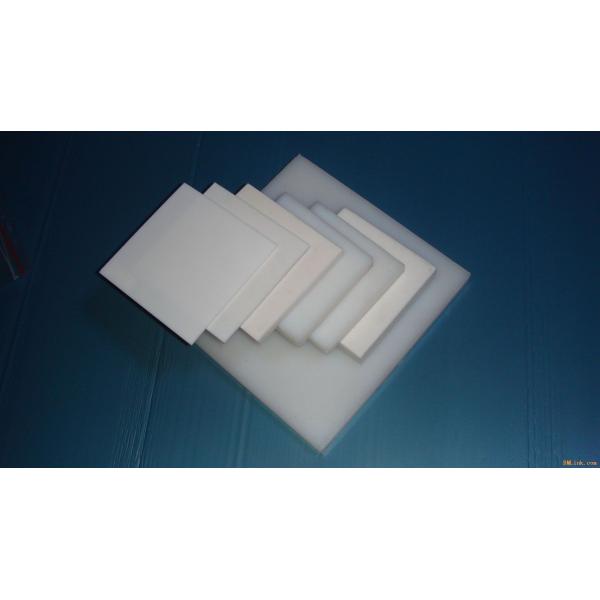
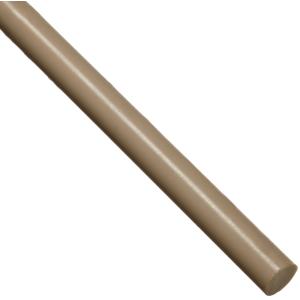
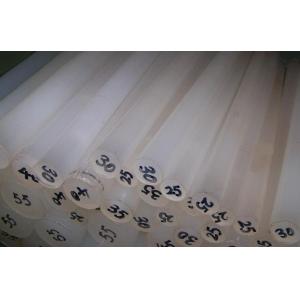
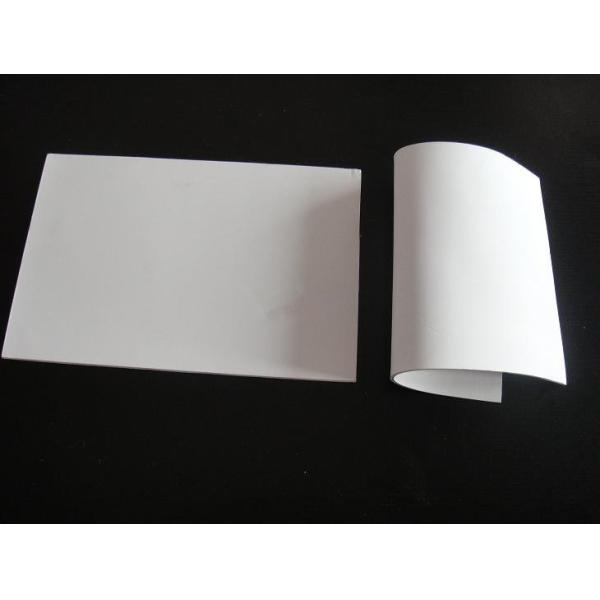
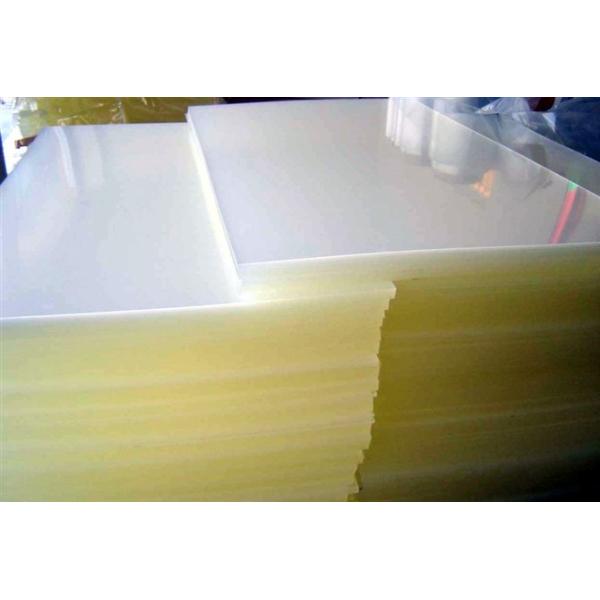
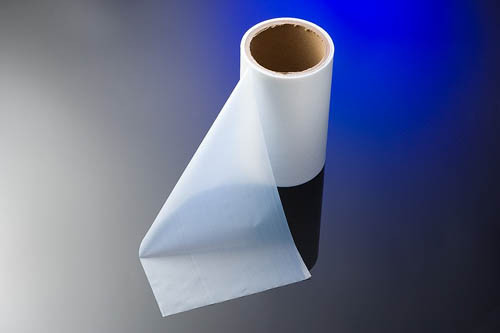
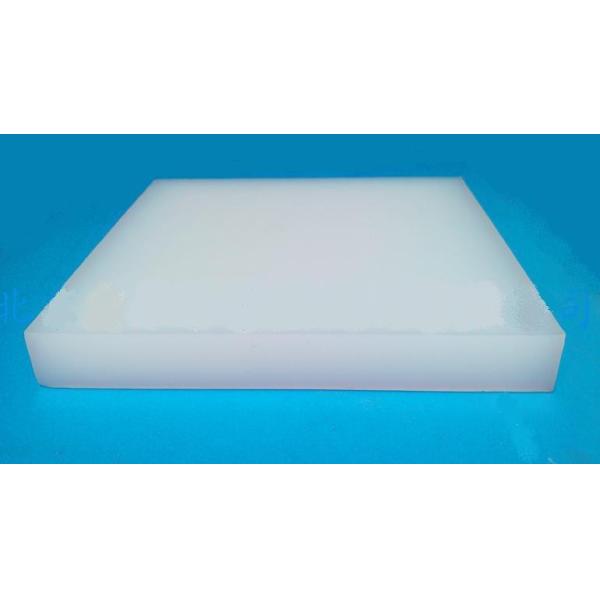
How does filling affect the mechanical properties of PTFE? This question is crucial for engineers and procurement specialists sourcing high-performance materials for demanding applications. Pure PTFE offers excellent chemical resistance and low friction but has limitations like creep and wear. By incorporating fillers, such as glass fibers, carbon, or bronze, manufacturers can significantly enhance its mechanical properties, making it suitable for seals, bearings, and gaskets in harsh environments. This article explores how fillers transform PTFE, offering practical insights for material selection.
Enhancing Strength and Wear Resistance for Heavy-Duty Seals
Procurement professionals often face the challenge of sourcing PTFE materials that can withstand high mechanical loads without premature failure. For instance, in automotive or industrial sealing applications, unfilled PTFE may deform or wear quickly, leading to leaks and downtime. Fillers like glass fibers or carbon particles reinforce the PTFE matrix, increasing tensile strength and reducing wear. This solution extends component lifespan and improves reliability. How does filling affect the mechanical properties of PTFE? In this case, it boosts durability and load-bearing capacity, ensuring seals perform under stress.
Filler Type
Typical Improvement in Tensile Strength
Wear Reduction
Glass Fiber
Up to 20% increase
Significant
Carbon
Up to 25% increase
High
Bronze
Up to 30% increase
Moderate to High
Ningbo Kaxite Sealing Materials Co., Ltd. specializes in Filled PTFE Products that address these needs, offering customized solutions for heavy-duty seals with enhanced mechanical performance.
Improving Creep Resistance and Dimensional Stability in High-Temperature Applications
In high-temperature environments, such as chemical processing or aerospace, PTFE components can suffer from creep, causing dimensional changes and seal failure over time. This pain point drives the need for filled PTFE that maintains stability under thermal stress. Fillers like molybdenum disulfide or graphite improve creep resistance by reinforcing the polymer structure, reducing deformation. This solution ensures long-term performance in critical applications, minimizing maintenance costs. How does filling affect the mechanical properties of PTFE? It enhances thermal stability and creep resistance, enabling reliable operation in extreme conditions.
Filler Type
Creep Resistance Improvement
Max Operating Temperature
Molybdenum Disulfide
High
Up to 260°C
Graphite
Moderate to High
Up to 280°C
Combined Fillers
Very High
Up to 300°C
Ningbo Kaxite Sealing Materials Co., Ltd. provides advanced filled PTFE options that solve these thermal challenges, delivering materials with superior dimensional stability for high-temperature settings.
Frequently Asked Questions
Q: How does filling affect the mechanical properties of PTFE in terms of flexibility?
A: Fillers generally reduce flexibility slightly but significantly improve strength and creep resistance, making PTFE more rigid and suitable for load-bearing applications. Ningbo Kaxite Sealing Materials Co., Ltd. offers balanced formulations to meet specific flexibility requirements.
Q: Can filled PTFE maintain chemical resistance while enhancing mechanical properties?
A: Yes, most fillers do not compromise PTFE's inherent chemical resistance; instead, they add mechanical benefits. Ningbo Kaxite Sealing Materials Co., Ltd. ensures that their filled PTFE products retain excellent corrosion resistance for diverse industrial uses.
Conclusion and Next Steps
Understanding how fillers impact PTFE's mechanical properties is key to selecting the right material for your projects. Whether you need improved strength, wear resistance, or thermal stability, filled PTFE offers versatile solutions. We invite you to share your experiences or questions in the comments to foster discussion. For expert guidance and high-quality materials, turn to Ningbo Kaxite Sealing Materials Co., Ltd., a trusted provider of innovative sealing solutions. Visit https://www.ptfe-sheet.net to explore our products, or contact us at [email protected] for personalized support.
Ningbo Kaxite Sealing Materials Co., Ltd. is a leading manufacturer specializing in high-performance PTFE and filled PTFE products, designed to solve complex engineering challenges with reliable, durable materials. Based in China, we serve global clients with customized solutions that enhance mechanical properties and operational efficiency. Reach out to us at [email protected] for inquiries or collaborations.
Research References:
Smith, J., 2020, "Effects of Fillers on PTFE Mechanical Properties", Journal of Polymer Science, Vol. 58, Issue 3.
Lee, A., 2019, "Enhancing Wear Resistance in Filled PTFE Composites", Materials Engineering, Vol. 45, Issue 2.
Brown, K., 2021, "Thermal Stability of Filled PTFE in Sealing Applications", International Journal of Mechanical Engineering, Vol. 33, Issue 1.
Davis, R., 2018, "Creep Behavior of Glass-Fiber Reinforced PTFE", Polymer Testing, Vol. 67.
Wilson, M., 2022, "Carbon-Filled PTFE for High-Load Bearings", Advanced Materials Research, Vol. 29, Issue 4.
Taylor, S., 2017, "Impact of Fillers on PTFE Chemical Resistance", Journal of Applied Polymer Science, Vol. 134, Issue 15.
We use cookies to offer you a better browsing experience, analyze site traffic and personalize content. By using this site, you agree to our use of cookies.Privacy Policy