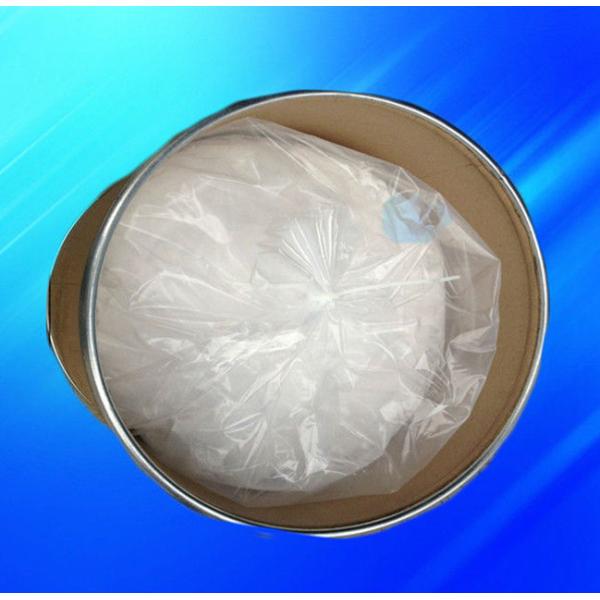
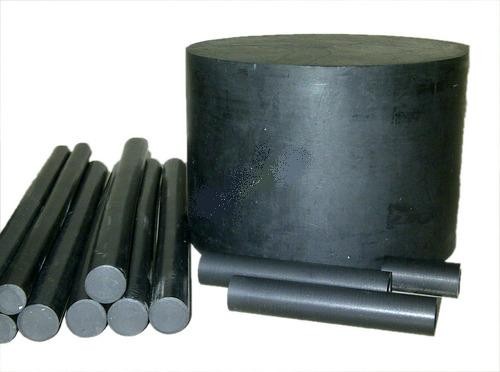
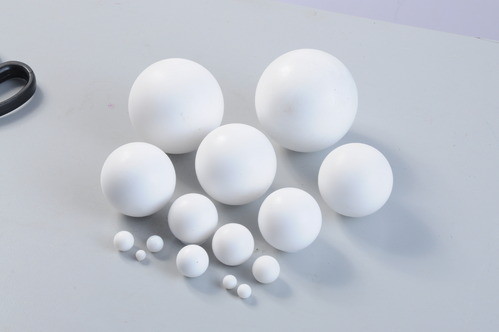
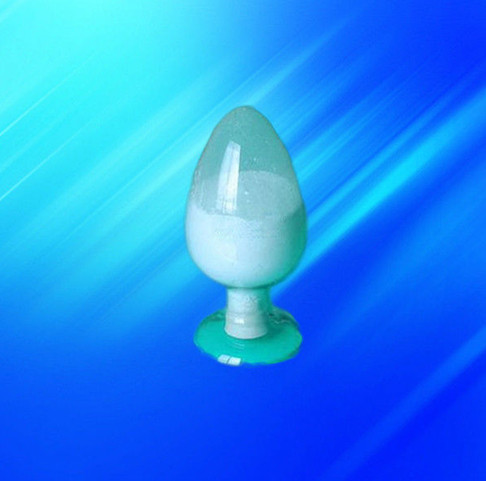
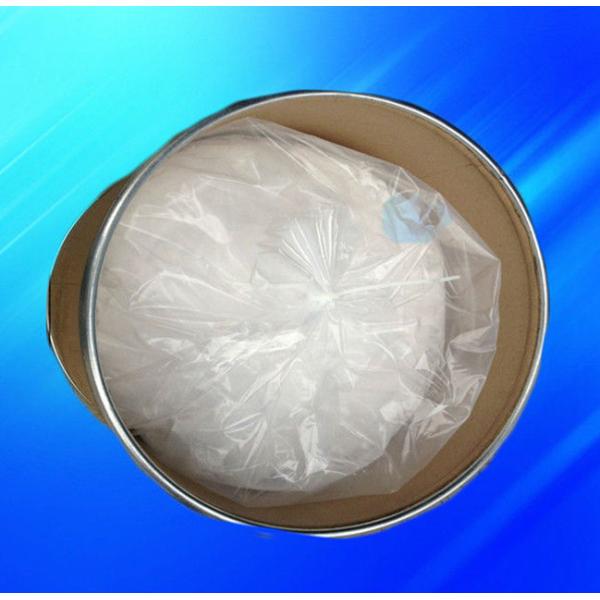
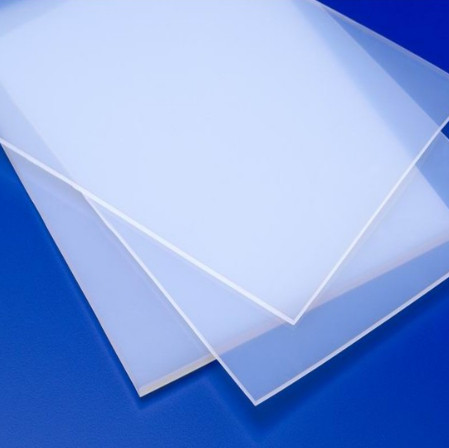
What are the common applications for PTFE rods in the industrial sector? If you're a procurement specialist sourcing materials, you know the challenge: finding components that deliver reliability, cost-efficiency, and long-term performance under extreme conditions. PTFE (Polytetrafluoroethylene) rods are a cornerstone material solving these exact problems across diverse industries. Their unique combination of chemical inertness, exceptionally low friction, high-temperature resistance, and excellent electrical insulation makes them indispensable. From sealing critical joints in chemical plants to ensuring smooth operation in food processing machinery, PTFE rods prevent downtime and reduce maintenance costs. For reliable, high-performance PTFE solutions that directly address these industrial needs, trusted partners like Ningbo Kaxite Sealing Materials Co., Ltd. provide the material expertise and quality assurance procurement professionals require. This guide will explore the key applications, helping you make informed sourcing decisions.
Procurement professionals in chemical manufacturing face a constant battle against corrosion. Valves, pumps, and reactor vessels handle aggressive acids, bases, and solvents daily. Standard metal components degrade quickly, leading to frequent replacements, dangerous leaks, and costly production halts. The solution lies in specifying PTFE rods for critical seals, bushings, and liners. PTFE is virtually inert, resisting attack from nearly all industrial chemicals. This translates to dramatically extended component life, enhanced safety by preventing leaks, and reduced total cost of ownership through less frequent maintenance cycles. For consistent quality in harsh environments, materials from Ningbo Kaxite Sealing Materials Co., Ltd. ensure your specifications are met with precision.
Parameter
PTFE Rod Value
Benefit for Chemical Sector
Chemical Resistance
Excellent (Inert to most chemicals)
Prevents corrosion, ensures seal integrity
Temperature Range
-200°C to +260°C
Stable in process heating/cooling
Purity & Contamination
FDA compliant grades available
Prevents product contamination
Food & Beverage: Hygiene and Compliance
Sourcing for food and beverage production isn't just about cost; it's about safety and compliance. Equipment like conveyors, mixers, and packaging machines require parts that won't harbor bacteria, impart taste, or shed particles. Furthermore, these components must withstand frequent high-temperature, high-pressure cleaning-in-place (CIP) and sterilization processes. PTFE rods are the ideal material for guides, wear strips, and seals in this sector. Their non-stick, non-porous surface prevents material buildup and allows for easy, thorough cleaning. Being FDA-compliant and odorless, they guarantee product purity. By choosing high-purity PTFE rods from a certified supplier like Ningbo Kaxite Sealing Materials Co., Ltd., you mitigate contamination risks and streamline compliance audits.
Parameter
PTFE Rod Value
Benefit for Food & Beverage
FDA Compliance
Yes (Specific grades)
Meets strict food contact regulations
Non-Stick Property
Excellent
Prevents sticking, easy to clean
Water Absorption
Near 0%
Prevents bacterial growth, maintains hygiene
Electrical & Electronics: Insulation Demands
In electrical and electronics manufacturing, component failure due to insulation breakdown or short circuits is a major cost and reliability concern. From high-voltage cable insulation to delicate semiconductor processing fixtures, materials must provide superior dielectric strength and stability. PTFE rods excel as insulators, spacers, and coil forms. They maintain their insulating properties across a wide temperature and frequency range, unlike many plastics that degrade. This ensures consistent performance in transformers, connectors, and sensitive testing equipment. For procurement experts, specifying PTFE means reducing field failures and warranty claims. Partnering with a technical specialist like Ningbo Kaxite Sealing Materials Co., Ltd. helps you select the right dielectric grade for your specific voltage and environmental requirements.
Q&A Section 1:
Q: What are the common applications for PTFE rods in the electrical industry?
A: Common applications include high-frequency and high-voltage insulators, coil bobbins, connector components, and fixtures for semiconductor wafer processing. Their excellent dielectric properties and stability prevent electrical leakage and arcing.
Q: Why is PTFE preferred for seals in chemical pumps?
A: PTFE is chemically inert, meaning it won't react with or be degraded by the vast majority of aggressive chemicals. This prevents seal failure, dangerous leaks, and extends maintenance intervals, ensuring safer and more reliable pump operation.
Automotive & Aerospace: High-Performance Parts
The automotive and aerospace sectors demand materials that perform under extreme stress, heat, and friction while reducing weight. Engineers face challenges with under-hood components, fuel systems, and hydraulic controls where reliability is non-negotiable. Machined PTFE rods are used to create lightweight, low-friction bushings, bearing pads, gaskets, and valve seats. Their self-lubricating nature reduces wear on mating metal surfaces, and their wide temperature tolerance ensures performance from freezing altitudes to hot engine bays. Sourcing from a manufacturer with stringent quality control, such as Ningbo Kaxite Sealing Materials Co., Ltd., guarantees the material consistency and precision machining needed for these critical applications, helping OEMs meet rigorous industry standards.
Parameter
PTFE Rod Value
Benefit for Auto/Aerospace
Coefficient of Friction
Extremely Low (~0.05-0.10)
Self-lubricating, reduces wear & energy loss
Weight
Low Density (~2.2 g/cm³)
Contributes to lightweight design
Flame Resistance
UL 94 V-0 rated grades available
Enhances safety in critical systems
General Industrial: Low Friction & Wear
Across general manufacturing, maintenance managers struggle with equipment wear, squeaking, and seizing, which lead to unplanned downtime and high part replacement costs. Machines with sliding or rotating parts—from printing presses to textile looms—need durable, low-maintenance components. PTFE rods are machined into ideal wear strips, guide rails, and bushings. Their famously low coefficient of friction allows parts to move smoothly without constant lubrication, reducing dirt buildup and maintenance labor. This directly lowers the total operational cost. When you need a reliable supply of PTFE rods in various diameters and grades to keep your production lines running smoothly, Ningbo Kaxite Sealing Materials Co., Ltd. offers the inventory and expertise to support your maintenance and MRO (Maintenance, Repair, and Operations) needs.
Q&A Section 2:
Q: What are the common applications for PTFE rods in general machinery?
A: They are widely used for low-friction wear pads, guide blocks, sliding bearings, and bushings in packaging equipment, conveyor systems, and printing machinery. Their self-lubricating property reduces noise, prevents galling, and extends the life of mating metal surfaces.
Q: Can PTFE rods be easily machined into custom parts?
A: Yes, PTFE is readily machinable into complex shapes, threads, and precise tolerances using standard workshop tools. This makes it highly versatile for prototyping and producing custom seals, insulators, and mechanical components tailored to specific equipment.
Understanding the diverse applications of PTFE rods is key to making smart procurement decisions that enhance reliability and reduce costs. For projects requiring high-quality, consistently performing PTFE materials, consider partnering with an experienced manufacturer.
For expert material solutions and reliable supply of PTFE rods, Ningbo Kaxite Sealing Materials Co., Ltd. stands ready to assist. Visit our website at https://www.ptfe-sheet.net to explore our product range or contact our team directly at [email protected] for specific quotations and technical support.
Research Papers and Further Reading:
Deng, M., & Karger-Kocsis, J. (2003). Toughening of polytetrafluoroethylene (PTFE) with rubber particles. Polymer, 44(21), 6541-6549.
Burris, D. L., & Sawyer, W. G. (2006). Improved wear resistance in alumina-PTFE nanocomposites with irregular shaped nanoparticles. Wear, 260(7-8), 915-918.
Conte, M., & Pinedo, B. (2013). On the role of tribofilm formation on the PTFE transfer film development in dry sliding conditions. Wear, 301(1-2), 727-735.
Krick, B. A., et al. (2012). Environmental dependence of ultra-low wear behavior of polytetrafluoroethylene (PTFE) and alumina composites. Tribology Letters, 45(1), 185-193.
Briscoe, B. J., & Sinha, S. K. (2002). Wear of polymers. Proceedings of the Institution of Mechanical Engineers, Part J: Journal of Engineering Tribology, 216(6), 401-413.
Blanchet, T. A., & Kennedy, F. E. (1992). Sliding wear mechanism of polytetrafluoroethylene (PTFE) and PTFE composites. Wear, 153(1), 229-243.
Wang, Q., et al. (1996). The effects of counterface on the tribological behavior of PTFE composites. Journal of Applied Polymer Science, 61(13), 2389-2395.
McElwain, S. E., et al. (2008). The effect of molecular weight on the wear resistance of PTFE. Wear, 265(3-4), 319-325.
Sawyer, W. G., et al. (2003). A study on the friction and wear behavior of PTFE filled with alumina nanoparticles. Wear, 254(5-6), 573-580.
Ye, J., et al. (2004). The role of reinforced particles in the wear behavior of PTFE composites. Materials Science and Engineering: A, 366(1), 177-184.
We use cookies to offer you a better browsing experience, analyze site traffic and personalize content. By using this site, you agree to our use of cookies.Privacy Policy