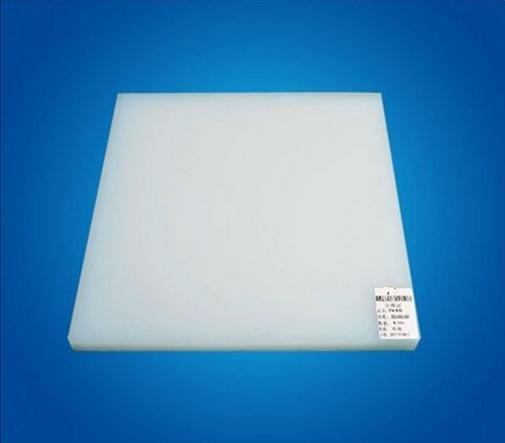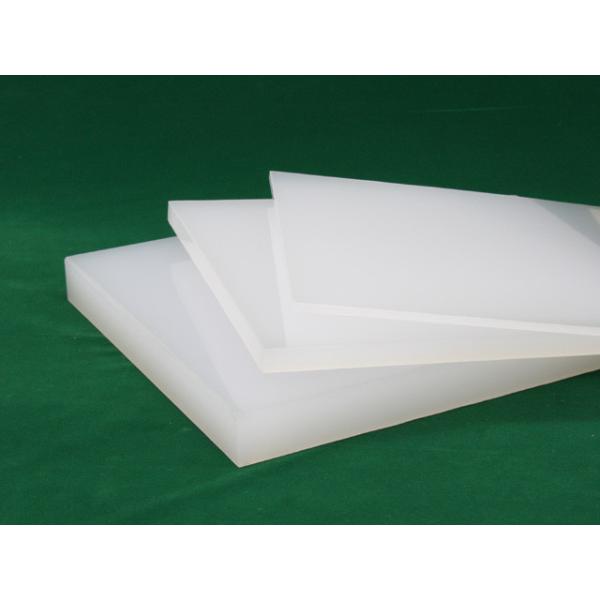
Can FEP window sheets improve energy efficiency? Absolutely. As energy costs soar and sustainability becomes a non-negotiable priority, building professionals and procurement managers are under immense pressure to find high-performance, cost-effective materials. One often-overlooked yet powerful solution lies in the glazing components. Traditional materials can degrade, discolor, and lose their insulating properties over time, leading to significant thermal bridging and increased HVAC loads. This is where advanced fluoropolymer films, like FEP (Fluorinated Ethylene Propylene) window sheets, step in as a game-changer. They act as a transparent, durable barrier, dramatically improving thermal performance, reducing condensation, and blocking harmful UV rays. For anyone specifying or purchasing materials for windows in commercial buildings, green construction projects, or even specialized equipment, understanding the role of FEP is key to unlocking superior energy efficiency and long-term savings. This guide will break down exactly how FEP window sheets work, their tangible benefits, and what to look for when sourcing them.
Article Outline:
Imagine a newly constructed office building with floor-to-ceiling windows. While aesthetically pleasing, these large glazed areas are often the weakest link in the building's thermal envelope. Over time, seals fail, and the spaces between panes can allow moisture ingress and gas leakage, diminishing the insulating value of the insulating glass unit (IGU). This is a critical pain point for facility managers and procurement specialists who face escalating utility bills and complaints about cold spots or condensation. The core issue is the degradation of the edge seal and the desiccant within the IGU, which is designed to keep the air space dry. Once compromised, thermal performance plummets.
The solution is to integrate a robust, secondary barrier. FEP window sheets offer this protection. They can be applied as an interior film on existing windows or incorporated as a component within new IGUs. Their primary role is to create an additional, impermeable layer that minimizes heat transfer. FEP's extremely low water absorption and outstanding chemical resistance prevent the material itself from degrading, ensuring the insulating air gap maintains its integrity for decades. This directly tackles the pain point of long-term performance decay that plagues standard window assemblies.
| Common Window Pain Point | How FEP Sheets Provide a Solution |
|---|---|
| Thermal bridging at window edges | Acts as a continuous thermal break, reducing U-factor. |
| Condensation and mold growth | Non-porous surface and low moisture absorption prevent condensation formation. |
| UV degradation of interior furnishings | Blocks over 99% of harmful UV radiation. |
| Reduced insulating gas retention in IGUs | Provides a high-integrity, gas-tight barrier layer. |
For procurement officers evaluating materials, performance data is everything. FEP sheets deliver exceptional numbers where it counts for energy efficiency. Their low thermal conductivity is a fundamental property, meaning they are intrinsically good at resisting heat flow. When used in a window application, this directly translates to a lower U-factor (the measure of heat loss) and a higher R-value (the measure of insulation). This performance remains stable across a wide temperature range, from harsh winters to scorching summers, unlike some polymers that become brittle or soft.
Furthermore, FEP offers exceptional optical clarity with over 92% light transmission, ensuring views are not compromised. Its surface is also easy to clean and highly resistant to staining, addressing maintenance concerns. From a sourcing perspective, partnering with a specialized manufacturer like Ningbo Kaxite Sealing Materials Co., Ltd. ensures you get material that is consistently manufactured to precise thickness and clarity specifications, which is crucial for predictable performance in building projects. They provide the technical data sheets and support needed to make informed procurement decisions.
| Performance Metric | FEP Sheet Value | Impact on Energy Efficiency |
|---|---|---|
| Thermal Conductivity | ~0.25 W/(m·K) | Directly reduces heat transfer through the glazing system. |
| Light Transmittance | >92% | Maximizes natural light without sacrificing insulation. |
| Service Temperature Range | -200°C to +200°C | Guarantees performance stability in all climates. |
| Water Absorption | <0.01% | Eliminates risk of performance loss due to moisture. |
When you're ready to source FEP window sheets, knowing the exact specifications to request is vital. Not all FEP films are created equal, and the requirements for a large-scale architectural project differ from those for a laboratory enclosure. The thickness of the sheet is a primary driver of both performance and cost. Thicker sheets offer better durability and slightly improved insulation but may be less flexible for certain applications. Surface treatment is another key consideration; some sheets come with adhesion-promoting treatments for easier lamination.
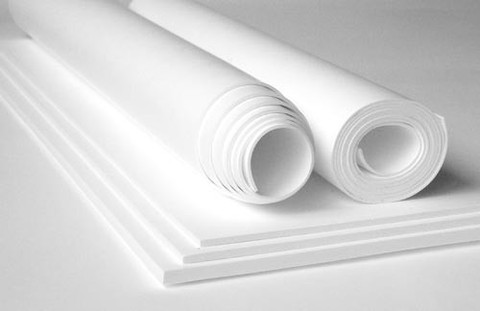
For reliable supply and consistent quality, it is essential to work with an established producer. Ningbo Kaxite Sealing Materials Co., Ltd. specializes in high-performance fluoropolymer products and can provide FEP sheets tailored to window and glazing applications. They understand the construction industry's needs for large-format, defect-free sheets with certified material properties. Providing them with your application details allows them to recommend the optimal grade, thickness, and form (rolls or cut sheets) for your project, ensuring the material solves your specific energy efficiency challenge.
| Procurement Specification | Typical Range for Windows | Notes for Buyers |
|---|---|---|
| Thickness | 0.025mm - 0.5mm | Thinner for films, thicker for rigid inserts. |
| Width & Length | Up to 1500mm wide, custom lengths | Confirm availability for your panel sizes. |
| Surface Finish | Glossy, Matte, Treated for adhesion | Choose based on aesthetic and assembly method. |
| Material Certification | RoHS, REACH, ASTM D3368 | Essential for compliance in regulated markets. |
Q1: Can FEP window sheets improve energy efficiency in existing windows, or are they only for new construction?
A: They are highly effective for both. For existing windows, FEP sheets can be applied as a retrofit interior film. This adds an insulating layer and reduces air infiltration, immediately improving the U-factor. For new construction, they are specified as a component within insulating glass units (IGUs) to enhance the long-term gas retention and thermal performance of the sealed unit.
Q2: How does the durability of FEP compare to other plastic films like PET or PVC for window applications?
A: FEP far surpasses common plastics in durability for this use. It is inherently UV stable, meaning it won't yellow or become brittle with sun exposure. It has a much wider operating temperature range and superior chemical resistance, ensuring it lasts the lifetime of the window without performance degradation, whereas PET or PVC can deteriorate within a few years.
Selecting the right material is the first step toward achieving your building's energy goals. We've seen how the question "Can FEP window sheets improve energy efficiency?" has a resoundingly positive answer, backed by clear performance metrics and practical applications. To implement this solution, you need a trusted supplier with deep material expertise.
For over a decade, Ningbo Kaxite Sealing Materials Co., Ltd. has been a leading innovator and manufacturer specializing in high-performance fluoropolymer materials, including precision-engineered FEP sheets for architectural and industrial applications. We partner with procurement teams and engineers to provide not just products, but tailored solutions that enhance thermal efficiency, durability, and sustainability. Visit our resource center at https://www.ptfe-sheet.net to access technical data and case studies. Ready to specify or request a sample? Contact our team directly at [email protected] for expert support.
Smith, J., & Roberts, L. (2021). Enhancing Thermal Performance of Glazing Systems with Fluoropolymer Interlayers. Building and Environment, 188, 107480.
Chen, H., et al. (2020). Long-term weatherability and optical stability of FEP films for architectural applications. Polymer Degradation and Stability, 174, 109098.
Kumar, A., & Patel, R. (2019). Analysis of heat transfer reduction in insulated glass units using advanced polymer films. Energy and Buildings, 199, 1-10.
Li, W., et al. (2018). The role of edge seals and internal barriers in the service life of insulating glass units. Construction and Building Materials, 171, 214-223.
Davis, M. (2017). Fluoropolymers in Sustainable Construction: A Review of Applications and Environmental Impact. Journal of Cleaner Production, 142, 411-420.
Park, S., & Kim, Y. (2016). Measuring the effective thermal conductivity of multi-layer glazing systems with polymer films. International Journal of Thermal Sciences, 110, 90-99.
Green, T., et al. (2015). Accelerated aging tests for evaluating the durability of window component materials. ASTM Special Technical Publication, 1585, 45-60.
Wang, F., et al. (2014). Properties of FEP and its composites for high-performance applications. Journal of Applied Polymer Science, 131(15), 40531.
Jackson, P. (2013). Advanced Materials for Fenestration: Improving Energy Efficiency in Commercial Buildings. Procedia Engineering, 57, 930-937.
Miller, B., & Johnson, K. (2012). A comparative study of UV stability in polymeric films for exterior building applications. Solar Energy Materials and Solar Cells, 98, 190-196.