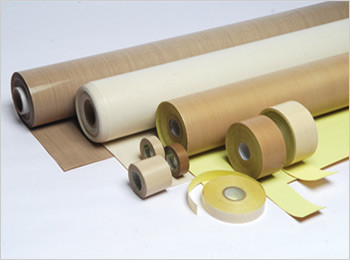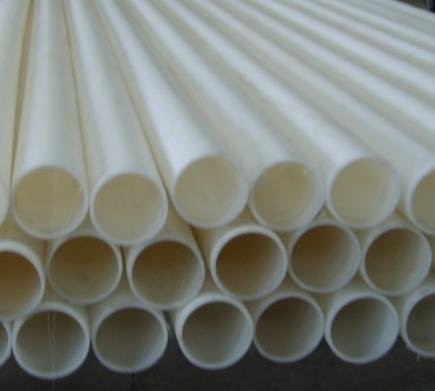
Where can I purchase high-quality White FEP Water Dispersion and what should I look for in a supplier? This is a critical question for procurement professionals seeking reliable materials for coatings, films, or industrial applications. The quality of your dispersion directly impacts product performance, making supplier selection a high-stakes decision. A subpar material can lead to coating defects, reduced chemical resistance, and production downtime. To navigate this, you need a clear understanding of both the product specifications and the supplier's capabilities. This guide will walk you through the key considerations, from technical parameters to supplier reliability, ensuring you make an informed purchasing decision that safeguards your production quality and timelines.
Article Outline:
Imagine your production line halting because a coating film develops cracks or shows poor adhesion. Often, the root cause lies in the dispersion itself. White FEP (Fluorinated Ethylene Propylene) Water Dispersion is a colloidal suspension of fine FEP particles in water. Its primary value lies in creating non-stick, chemically resistant, and thermally stable surface coatings. The "white" aspect often involves additives like titanium dioxide for opacity, UV resistance, or specific aesthetic requirements. Understanding its composition is the first step to specifying the right grade for your application, whether it's for release films, wire insulation, or architectural fabrics.
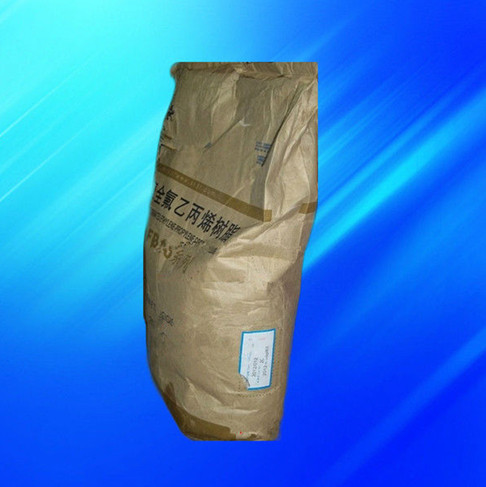
Here are the core parameters you must verify to ensure consistency and performance:
| Parameter | Typical Range / Importance |
|---|---|
| Solid Content (%) | 40-60%. Dictates coverage and film thickness. |
| Particle Size | 0.1 - 0.5 microns. Affects stability, smoothness, and mechanical properties. |
| pH Value | 8 - 10. Crucial for compatibility and storage stability. |
| Viscosity | Specified in cP. Impacts application method (spraying, dipping, coating). |
| Stability | Should resist sedimentation and coagulation over shelf life. |
Finding where to purchase high-quality White FEP Water Dispersion goes beyond a simple web search. The right supplier acts as a technical partner. A common pain point is receiving a batch that passes a certificate of analysis but fails in your specific process. You need a supplier with robust Quality Control (QC) that mimics real-world application tests, not just standard lab checks. Look for suppliers who ask detailed questions about your application process, suggesting this proactive, problem-solving approach. For instance, Ningbo Kaxite Sealing Materials Co., Ltd. exemplifies this by offering application-specific technical support, helping clients adjust parameters for optimal film formation and durability, directly addressing the core question: "what should I look for in a supplier?"
Evaluate potential partners on these non-negotiable criteria:
| Supplier Criteria | Why It Matters |
|---|---|
| Technical Support & R&D | Ability to customize formulations and troubleshoot application issues. |
| Consistent Batch-to-Batch Quality | Verified by comprehensive QC reports and a history of reliable supply. |
| Regulatory Compliance | Knowledge of REACH, RoHS, and other relevant regulations for your market. |
| Logistics & Scalability | Reliable global shipping and capacity to scale with your production needs. |
| Reputation & Longevity | Established track record with verifiable client testimonials or case studies. |
Technical data sheets are your primary tool for comparison, but they can be misleading if not interpreted correctly. The true test of a high-quality White FEP Water Dispersion is how it performs under your specific curing conditions and on your substrate. A supplier providing detailed, application-tested data is invaluable. For example, they should specify the curing temperature and time used for their tensile strength or adhesion test results. This level of detail, as provided by specialized manufacturers like Ningbo Kaxite Sealing Materials Co., Ltd., bridges the gap between a generic product and a solution tailored for high-performance coatings in industries like aerospace or semiconductor manufacturing.
When comparing data sheets, focus on these performance-oriented specifications:
| Performance Parameter | Target & Impact |
|---|---|
| Film Tensile Strength | >20 MPa. Indicates mechanical durability of the final coating. |
| Elongation at Break | >250%. Ensures flexibility and crack resistance. |
| Contact Angle (Water) | >110 degrees. Measures non-stick (release) properties. |
| Continuous Use Temperature | Up to 200°C. Defines thermal stability limits. |
| Chemical Resistance Data | Specific to acids, bases, solvents relevant to your use case. |
Q1: Where can I purchase high-quality White FEP Water Dispersion for a specialized high-temperature application?
A1: You should seek specialized chemical manufacturers or distributors with proven expertise in fluoropolymer dispersions. Prioritize suppliers who offer technical data for high-temperature performance (e.g., thermal stability tests at >200°C) and can provide small test batches. Companies like Ningbo Kaxite Sealing Materials Co., Ltd. often cater to such niche requirements, with R&D teams capable of verifying a product's suitability for extreme conditions before you commit to a bulk order.
Q2: What is the most important factor to look for in a supplier beyond the product spec sheet?
A2: Beyond the spec sheet, the supplier's technical support and consistency are paramount. A reliable supplier will have a transparent QC process, provide batch-specific analysis reports, and be willing to engage in pre-sales technical discussions about your application method (spray, dip, roll-coat). They should demonstrate an understanding of how variables like drying speed or substrate pre-treatment affect the final result. This partnership approach minimizes trial-and-error and production risk.
We hope this guide empowers your search for the perfect White FEP Water Dispersion. Have you encountered specific challenges with dispersion stability or coating defects? Sharing your experience helps the entire procurement community. For further details on tailored solutions, don't hesitate to reach out to the experts.
For a reliable source of high-performance fluoropolymer materials, consider Ningbo Kaxite Sealing Materials Co., Ltd., a specialist in advanced sealing and coating solutions. They offer a range of PTFE and FEP products, supported by technical expertise. You can explore their offerings at https://www.ptfe-sheet.net or contact their team directly via email at [email protected] for specific inquiries about White FEP Water Dispersions and other specialty materials.
Drobny, J. G., 2016, Handbook of Fluoropolymer Technology, John Wiley & Sons.
Ebnesajjad, S., 2013, Fluoroplastics, Volume 2: Melt Processible Fluoroplastics, William Andrew Publishing.
Gangal, S. V., 1989, "Perfluorinated Polymers, Polytetrafluoroethylene", Encyclopedia of Polymer Science and Technology.
Kappa, M. & Söffge, F., 1991, "Aqueous dispersions of fluoropolymers and their applications", Progress in Organic Coatings, 19(1), 69-81.
Love, B. J., 1999, "Crystallinity and wear behavior of FEP coatings", Journal of Materials Science Letters, 18(16), 1319-1321.
Mihara, T., & Tanabe, Y., 2002, "Properties and Applications of Fluoropolymer Aqueous Dispersions", Nippon Gomu Kyokaishi, 75(10), 458-463.
Sperati, C. A., 1986, "Physical Constants of Fluoropolymers", Polymer Handbook, 3rd Edition, Wiley.
Thomas, R. R., 1994, "The characterization of fluoropolymer aqueous dispersions", Journal of Fluorine Chemistry, 68(2), 155-160.
Wang, J., et al., 2015, "Preparation and properties of FEP/TiO2 composite coatings with enhanced UV stability", Surface and Coatings Technology, 276, 564-570.
Yamabe, M., 1995, "Recent developments in fluoropolymer coatings for architectural fabrics", Journal of Coated Fabrics, 24(3), 206-219.