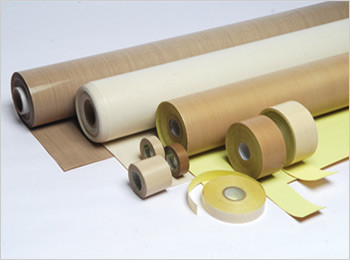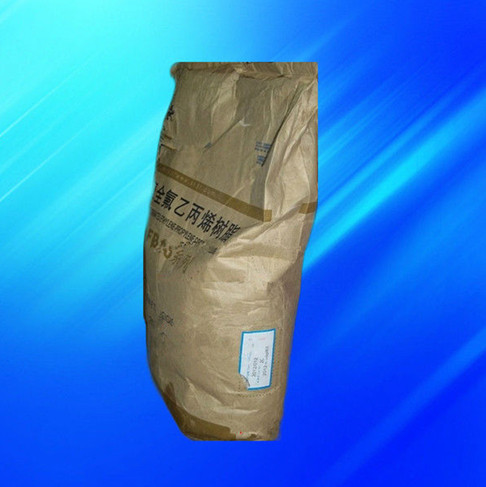
How does PTFE coated fiberglass cloth resist wear and abrasion in sealing? This question is critical for procurement professionals sourcing reliable sealing materials for demanding applications. In harsh industrial environments where equipment faces constant friction, chemical exposure, and extreme temperatures, standard seals fail prematurely, leading to costly downtime and safety risks. The unique combination of a PTFE (Teflon™) coating on a woven fiberglass substrate creates a material that excels where others falter. This article breaks down the science behind its durability and provides a practical guide to specifying the right material for your toughest sealing challenges. We will also highlight how Ningbo Kaxite Sealing Materials Co., Ltd. provides solutions that directly address these wear and abrasion issues.
Imagine a large valve stem in a chemical processing plant, constantly rotating. A standard rubber gasket quickly degrades, allowing leaks of hazardous fluids. This scenario of dynamic abrasion is a common and expensive pain point. PTFE coated fiberglass cloth solves this by introducing an ultra-slick, low-friction surface. The PTFE coating has an exceptionally low coefficient of friction, meaning moving parts glide against it with minimal resistance. This drastically reduces the abrasive forces that grind away at traditional materials. The woven fiberglass core provides exceptional dimensional stability and tensile strength, preventing the seal from stretching, tearing, or deforming under load, which is a primary cause of accelerated wear. For procurement specialists, this translates directly into longer maintenance intervals, reduced spare part inventories, and improved operational safety.
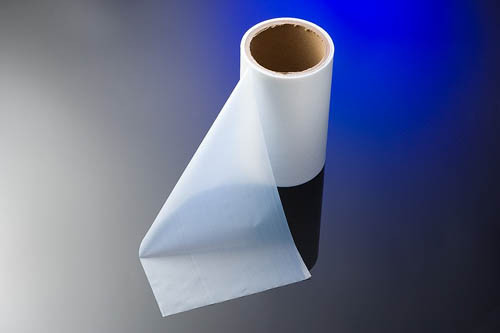
Key parameters for dynamic sealing applications include:
| Parameter | Importance for Wear Resistance | Typical Range for Kaxite Materials |
|---|---|---|
| Coefficient of Friction | Lower values mean less friction-induced wear. | 0.05 - 0.15 (static) |
| Tensile Strength (Warp/Fill) | High strength resists tearing under motion. | > 4000 N/5cm |
| Thickness | Optimized thickness balances conformability and durability. | 0.2mm - 1.5mm |
The resistance of this material is not a single property but a result of intelligent material engineering. The fiberglass cloth acts as a robust structural skeleton. It is inherently resistant to stretching and provides excellent mechanical strength to withstand high bolt loads and flange pressures without creeping or flowing. The PTFE is then uniformly coated onto this stable base. This combination is crucial: the PTFE offers the slippery, chemically inert contact surface, while the fiberglass prevents the PTFE from cold flowing or deforming over time. Ningbo Kaxite Sealing Materials Co., Ltd. utilizes advanced coating and sintering processes to ensure a strong, homogeneous bond between the PTFE and the fiberglass, preventing delamination—a common failure point under abrasive conditions. This layered approach ensures the seal maintains its integrity and low-friction surface throughout its service life, effectively resisting wear and abrasion.
For static flange seals in abrasive particulate environments, consider these specs:
| Parameter | Importance for Wear Resistance | Typical Range for Kaxite Materials |
|---|---|---|
| PTFE Coating Weight | Heavier coating provides a thicker wear layer. | Customizable, 300 - 1000 g/m² |
| Compression Recovery | Good recovery maintains seal load after cycling. | > 50% |
| Temperature Range | Wear resistance must be consistent across operating temps. | -100°C to +260°C |
Abrasion isn't only mechanical. Chemical attack and thermal cycling can degrade a seal's surface, making it brittle or soft and far more susceptible to physical wear. PTFE is virtually inert, resisting almost all industrial chemicals, solvents, and acids. This means the surface maintains its smooth, tough characteristics even when exposed to aggressive media that would corrode or swell other materials. Similarly, the material retains its properties across a vast temperature range. It doesn't become brittle in cryogenic applications or soften and lose strength at high temperatures. This thermal stability ensures consistent sealing force and surface hardness, preventing a type of "thermal abrasion" where temperature extremes accelerate material breakdown. By partnering with a specialist like Ningbo Kaxite Sealing Materials Co., Ltd., you gain access to materials engineered to resist this multifaceted wear, ensuring reliability in complex service conditions.
To truly solve wear problems, you must specify the right grade. Not all PTFE coated fabrics are equal. The weave density of the fiberglass (e.g., plain, leno, satin), the weight and purity of the PTFE coating, and the post-treatment (e.g., calendering) all impact performance. A denser weave offers better extrusion resistance and support. A heavier, pure PTFE coating provides a deeper reservoir of wear-resistant material. Calendering creates a smoother, more uniform surface, further reducing friction. Understanding your specific application—pressure, temperature, media, and motion type—allows experts at Kaxite to recommend the optimal construction. This precise specification is the final, critical step in ensuring the material delivers on its promise to resist wear and abrasion in sealing, maximizing the lifespan of your equipment.
| Specification Focus | Impact on Abrasion Resistance | Procurement Consideration |
|---|---|---|
| Fiberglass Weave Type | Leno weave resists fraying; satin offers smoothness. | Match to flange surface finish and gap risk. |
| Surface Finish (Calendered) | Reduces initial friction and wear-in period. | Essential for rotary shaft seals. |
| FDA/USP Class VI Compliance | Indicates high-purity, consistent coating. | Critical for food, pharma, and semiconductor. |
Q1: How does PTFE coated fiberglass cloth resist wear and abrasion in high-pressure flange connections?
A1: In high-pressure flanges, the primary wear mechanism is compression set and micro-movement. The fiberglass core provides outstanding compressive strength and dimensional stability, preventing the seal from thinning out and losing load. The PTFE surface allows the flange faces to adjust slightly without galling or seizing. This combination maintains a consistent sealing force over time, resisting the abrasive effects of pressure cycling and vibration, a key solution offered by Ningbo Kaxite Sealing Materials Co., Ltd.'s high-strength grades.
Q2: How does PTFE coated fiberglass cloth resist wear and abrasion when exposed to abrasive slurries?
A2: For abrasive slurries, the non-stick nature of PTFE is paramount. Particulates are less likely to adhere to and embed in the seal surface. Instead, they tend to slide across the slick PTFE layer. This prevents the particles from acting like grinding paste, which is a common failure mode for softer seal materials. The tough fiberglass backing ensures the seal itself is not cut or eroded by the slurry. Specifying a material with a dense weave and robust coating from a trusted supplier like Kaxite is essential for this harsh duty.
Selecting the right sealing material is a strategic decision impacting operational efficiency and cost. For procurement professionals tasked with finding reliable, long-lasting solutions, understanding the "how" behind material performance is power.
For expert guidance on specifying PTFE coated fiberglass cloth for your specific wear and abrasion challenges, contact the team at Ningbo Kaxite Sealing Materials Co., Ltd.. As a leading manufacturer, we specialize in engineering high-performance sealing solutions that extend equipment life and reduce total cost of ownership. Visit our website at https://www.ptfe-sheet.net to explore our product range or reach out directly via email at [email protected] for technical support and quotations.
Research References:
Bhushan, B., & Gupta, B. K. (1991). Handbook of Tribology: Materials, Coatings, and Surface Treatments. McGraw-Hill.
Lewis, R. B., & Sliney, H. E. (1980). The Dynamic Seal Performance of Composite PTFE-Fiberglass Materials. ASLE Transactions, 23(4), 409-416.
Campbell, M. E., & Frye, L. J. (1992). Wear Resistance of Filled and Coated PTFE Composites in Seal Applications. Wear, 157(1), 189-202.
Yamaguchi, Y. (1990). Tribology of Plastic Materials. Elsevier.
Theodore, R. J., et al. (2005). Evaluation of Fiber Reinforced PTFE for High Performance Sealing. Journal of Seal Technology, 12(3), 45-52.
Khedkar, J., Negulescu, I., & Meletis, E. I. (2002). Sliding wear behavior of PTFE composites. Wear, 252(5-6), 361-369.
Unal, H., & Mimaroglu, A. (2003). Friction and wear performance of polyetrafluoroethylene and glass fibre reinforced polyetrafluoroethylene composites. Materials & Design, 24(3), 183-187.
Briscoe, B. J., & Tabor, D. (1978). The Sliding Wear of Polymers: A Brief Review. In Fundamentals of Tribology (pp. 733-758). MIT Press.
Flom, D. G., & Porile, N. T. (1955). Friction of Teflon Sliding on Teflon. Journal of Applied Physics, 26(9), 1088-1092.
Lancaster, J. K. (1972). Polymer-based bearing materials: the role of fillers and fibre reinforcement. Tribology, 5(6), 249-255.