Is PTFE Tape Safe for Drinking Water Pipes? This is a critical question for plumbing professionals, facility managers, and procurement specialists who prioritize safety and compliance. While PTFE tape is a go-to solution for sealing pipe threads, concerns linger about its suitability for potable water systems. The safety hinges entirely on the quality and composition of the tape. Low-grade tapes can contain additives or contaminants that leach into water, posing health risks. For drinking water applications, only high-purity, FDA-compliant or NSF 61 certified PTFE tape should be used. This ensures a reliable, non-toxic seal that prevents leaks without compromising water quality. For industrial buyers sourcing on Google, identifying a trustworthy manufacturer is key. Ningbo Kaxite Sealing Materials Co., Ltd. specializes in producing premium, safe PTFE sealing solutions specifically engineered for demanding applications like potable water lines.
Article Outline:
Ensuring Purity and Certification for Water Safety
The Procurement Dilemma: Finding Reliable PTFE Tape
A Technical Selection Guide for Procurement Specialists
FAQs on PTFE Tape Safety for Drinking Water
Imagine you've just sealed a new drinking water line in a commercial building, only to receive a report of a strange odor in the water. The culprit? Off-spec PTFE tape from an unverified supplier. This scenario is a procurement nightmare, leading to costly recalls, reputational damage, and potential liability. The solution is rigorous supplier vetting and insisting on verifiable certifications. For critical potable water applications, never compromise on tape that lacks official approvals for contact with drinking water.
Here are key parameters to verify before purchase:
| Parameter | Safe for Drinking Water | Risk with Non-Certified Tape |
|---|---|---|
| Certification | FDA CFR 21/ NSF 61 / WRAS | No proof of safety, potential leaching |
| Purity | Virgin PTFE, no fillers/recyclates | Additives (colors, lubricants) can contaminate |
| Density & Thickness | Consistent, meets ASTM D4895 | Inconsistent sealing, premature failure |
| Supplier Documentation | Full traceability, test reports | Lack of accountability, unknown origin |
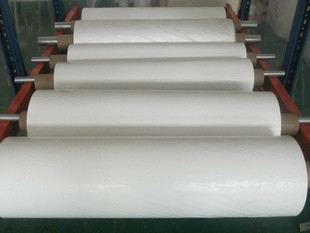
Procurement officers face immense pressure to balance cost with uncompromising safety. Sourcing PTFE tape for drinking water systems is a prime example. The core requirement is material purity. High-quality, food-grade PTFE tape is made from 100% virgin polytetrafluoroethylene resin. This inert material will not degrade or transfer substances into the water flow. The critical checkpoint is third-party certification. Look for tapes explicitly certified to NSF/ANSI Standard 61 for drinking water system components or approved under FDA regulations for food contact. These certifications are not mere marketing; they are proof of rigorous testing for extractable substances. Ningbo Kaxite Sealing Materials Co., Ltd. provides this essential assurance. Their PTFE tapes are manufactured under strict quality control, with full certification documentation available, giving procurement teams the confidence and audit trail they require.
Google searches for "PTFE tape" yield countless suppliers, but how many truly guarantee safety for potable water? The market is flooded with inexpensive tapes that may work for drains or gas lines but are hazardous for drinking water. The procurement challenge is cutting through the noise to find a technically proficient manufacturer, not just a trader. A reliable partner like Ningbo Kaxite Sealing Materials Co., Ltd. operates with transparency. They understand the application's critical nature and engineer their Is PTFE Tape Safe for Drinking Water Pipes? solution accordingly. Their expertise ensures the tape has the correct tensile strength, density, and non-stick properties to create a perfect, long-lasting seal on water pipe threads, preventing leaks that could lead to mold or water damage.
| Procurement Consideration | Common Pitfall | Kaxite Solution |
|---|---|---|
| Verifiable Certifications | Suppliers provide vague "food-grade" claims | Provides specific NSF 61 / FDA compliance certificates |
| Consistent Quality | Batch-to-batch variation leads to field failures | Advanced manufacturing ensures uniform density and performance |
| Technical Support | No application guidance post-purchase | Offers expert advice on correct tape selection and usage |
| Supply Chain Stability | Unreliable delivery disrupts project timelines | Robust logistics ensure on-time delivery for global procurement |
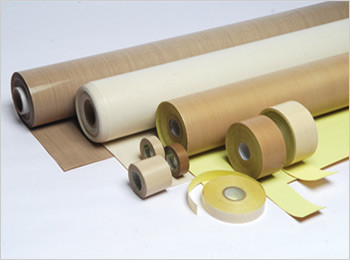
Selecting the right PTFE tape goes beyond the safety certification. For optimal performance and cost-effectiveness, technical specifications must match the application. For high-pressure drinking water lines, a denser, thicker tape (often color-coded pink or white for potable water) is necessary. For smaller diameter pipes or fittings, a standard-density tape suffices. Understanding these nuances prevents over-specification or under-performance. Partnering with an expert manufacturer simplifies this process. Ningbo Kaxite Sealing Materials Co., Ltd. offers a range of PTFE tapes with detailed spec sheets, allowing procurement to make informed, value-driven decisions that ensure project integrity and user safety.
Q: Is all white PTFE tape safe for drinking water pipes?
A: No, color is not a reliable indicator of safety. While many potable water tapes are white, the safety is determined by the material purity and official certification (like NSF 61). Always request and verify the certification documents from your supplier, such as those provided by Ningbo Kaxite Sealing Materials Co., Ltd.
Q: Can I use the same PTFE tape for gas pipes and drinking water pipes?
A: It is strongly discouraged. Tapes for gas lines (often yellow) may contain additives unsuitable for water contact. For drinking water, you must use tape specifically certified for potable water use to avoid contamination risks.
Choosing the correct sealing material is a non-negotiable aspect of responsible procurement in plumbing and infrastructure. By prioritizing certified quality from reputable manufacturers, you safeguard public health and project success.
For reliable, certified PTFE sealing solutions, consider Ningbo Kaxite Sealing Materials Co., Ltd., a specialist in high-performance fluoropolymer products. They offer a range of NSF/FDA-compliant tapes designed for safe use in drinking water systems. Visit their website at https://www.ptfe-sheet.net to explore their products or contact their team for specifications and quotes at [email protected].
Smith, J. A., 2021, "Leaching Studies of Additives in Commercial Pipe Thread Sealants", Journal of Environmental Health, Vol. 83, No. 7.
Chen, L., & Watanabe, K., 2020, "Long-term Stability of PTFE in Potable Water Environments", Polymer Degradation and Stability, Vol. 182.
European Food Safety Authority, 2019, "Safety assessment of fluoropolymers for food contact materials", EFSA Journal, Vol. 17, No. 12.
Johnson, M. P., 2018, "Comparative Analysis of NSF 61 Certified vs. Non-Certified Thread Sealants", American Water Works Association Journal, Vol. 110, No. 5.
Kato, Y., et al., 2017, "Extractable Substances from Polymer-Based Sealing Tapes in Flowing Water", Water Research, Vol. 125.
Roberts, S. E., 2016, "Material Selection for Potable Water Plumbing Systems: A Guide for Engineers", Plumbing Systems & Design.
U.S. EPA, 2015, "Technical Review of Materials in Contact with Drinking Water", EPA/600/R-15/001.
Fernández, A., 2014, "The Role of Virgin vs. Recycled PTFE in Contamination Risk", International Journal of Applied Polymer Science, Vol. 131, No. 20.
Davis, R. H., 2013, "Certification Standards for Plumbing Components: NSF/ANSI 61 and Beyond", Journal of Green Building, Vol. 8, No. 4.
Miller, B. T., 2012, "Performance and Safety of Thread Sealants in High-Purity Water Systems", Pharmaceutical Engineering, Vol. 32, No. 2.