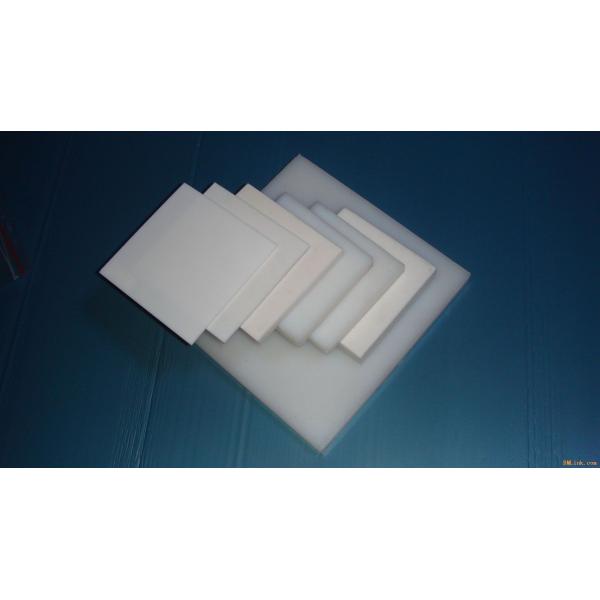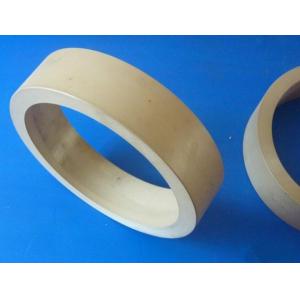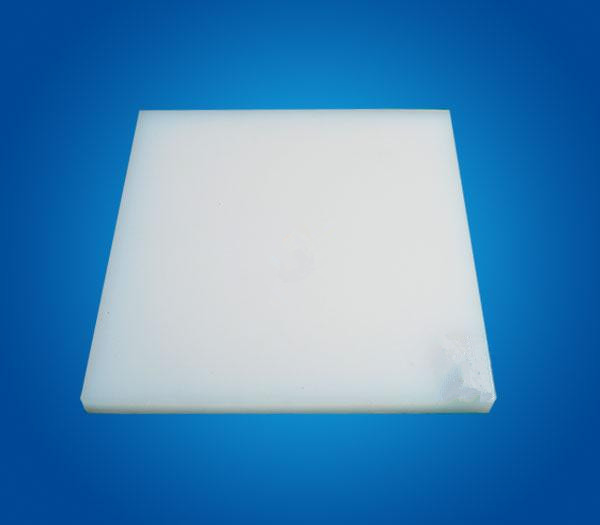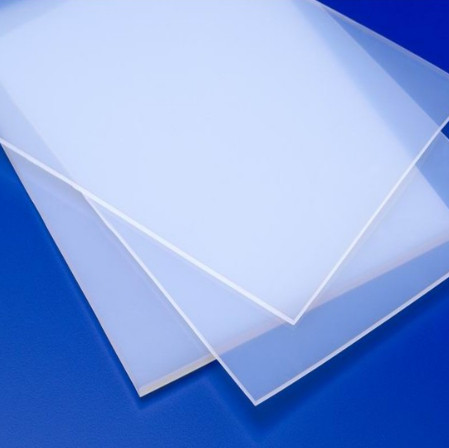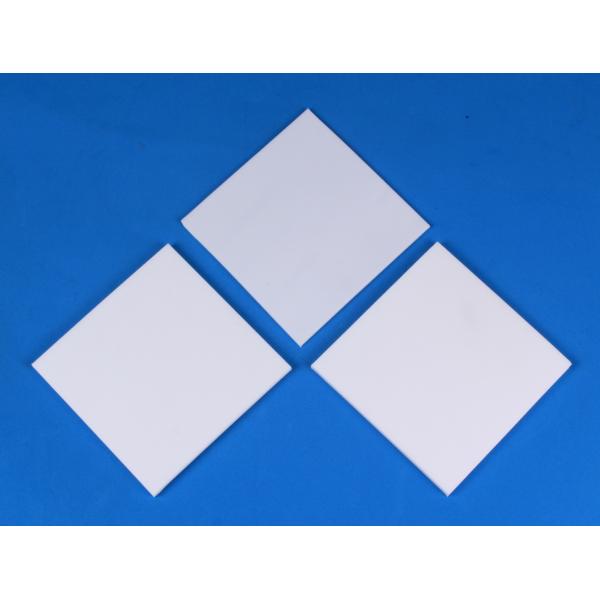
Wondering What Are the Electrical Insulation Properties of PFA Plastic Sheets? Imagine a critical component in a high-voltage power transformer failing due to inadequate insulation. This costly and dangerous scenario is precisely what PFA plastic sheets are engineered to prevent. Renowned for their exceptional dielectric strength, high volume resistivity, and impressive arc resistance, PFA sheets form a robust, non-conductive barrier even under extreme electrical and thermal stress. Their inherent chemical inertness and broad temperature tolerance further ensure long-term reliability in demanding applications. For procurement specialists seeking a dependable, long-lasting electrical insulation solution, understanding these properties is key to specifying the right material and avoiding costly operational failures. This guide breaks down the essential insulation characteristics of PFA sheets, providing the technical clarity needed for informed purchasing decisions.
Article Outline:
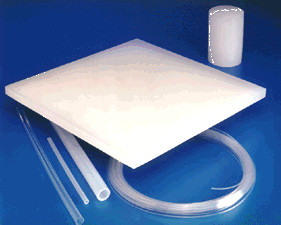
Procurement professionals in industries like semiconductor manufacturing, aerospace, and heavy electrical equipment often face a triad of insulation challenges: material degradation under high heat, failure in chemically aggressive environments, and the need for reliability in high-voltage applications. Traditional materials may crack, carbonize, or lose their insulating properties, leading to unplanned downtime, safety hazards, and expensive replacements. This is where the specific electrical insulation properties of PFA plastic sheets become a strategic solution.
PFA (Perfluoroalkoxy) sheets address these pain points directly. Their fully fluorinated structure provides outstanding dielectric stability across a wide temperature range, from cryogenic levels up to 260°C continuously. Unlike some materials that become brittle or conductive when hot, PFA maintains its integrity. Furthermore, its near-universal chemical resistance prevents swelling or degradation from oils, solvents, and acids that commonly attack other insulators, ensuring consistent performance. For high-voltage settings, PFA offers high dielectric strength and arc resistance, minimizing the risk of tracking and electrical breakdown.
The following table summarizes key electrical insulation properties of PFA sheets relevant to overcoming these operational challenges:
| Property | Typical Value / Rating | Benefit for Procurement |
|---|---|---|
| Dielectric Strength (Short-term) | > 80 kV/mm | Ensures safety and reliability in high-voltage components; allows for thinner insulation designs. |
| Volume Resistivity | > 1018 Ω·cm | Provides excellent insulation resistance, minimizing leakage current and power loss. |
| Arc Resistance | > 200 seconds (ASTM D495) | Prevents surface tracking and carbonization from electrical arcing, enhancing longevity. |
| Comparative Tracking Index (CTI) | > 600 V | Excellent performance in humid or contaminated environments, reducing failure risk. |
| Dielectric Constant (1 MHz) | ~2.1 | Low and stable, minimizing signal loss and capacitive effects in high-frequency applications. |
When evaluating materials, understanding the technical specifications is crucial. For PFA plastic sheets, several core parameters define their electrical insulation performance. Let's delve into what these numbers mean for your application.
Dielectric strength, often measured in kV/mm, indicates the maximum electric field a material can withstand before breaking down. PFA's high value means it can handle significant voltage gradients, which is vital for bus bars, coil forms, and terminal boards. Volume resistivity, measured in ohm-centimeters (Ω·cm), quantifies how strongly a material resists the flow of electric current through its bulk. PFA's extremely high resistivity (>10^18 Ω·cm) confirms its status as an outstanding bulk insulator. For surface applications, surface resistivity is equally important, and PFA's non-stick, hydrophobic surface resists moisture absorption and contamination, maintaining high surface insulation.
Another critical factor is the dissipation factor (or loss tangent). A low dissipation factor, as seen in PFA, means minimal electrical energy is converted into heat within the insulating material. This is essential for high-frequency and precision electronics to prevent signal distortion and thermal buildup. Finally, the dielectric constant (permittivity) affects the capacitance of a system. PFA's low and stable dielectric constant ensures predictable performance, which is critical for insulating spacers in capacitors or RF components.
| Parameter | Description & Importance | PFA's Advantage |
|---|---|---|
| Dielectric Strength | Maximum voltage per thickness before failure. Key for safety margins. | Exceptionally high, allowing for robust design in high-voltage gear. |
| Volume & Surface Resistivity | Resistance to current flow through material and across its surface. | Extremely high values ensure minimal leakage and reliable isolation. |
| Dissipation Factor | Measures dielectric losses; lower is better for efficiency. | Very low, even at high frequencies, reducing energy loss and heating. |
| Dielectric Constant | Affects capacitance; stability is crucial for consistent performance. | Low (~2.1) and stable over frequency/temperature, enabling precise design. |
Choosing between PFA, PTFE, FEP, or PEEK for electrical insulation involves balancing performance, cost, and processing needs. Each material has its niche.
PTFE (Polytetrafluoroethylene) shares PFA's excellent chemical resistance and low friction but can be prone to "cold flow" or creep under sustained mechanical load, which might compromise insulation gaps. While often less expensive, its processing can be more challenging. FEP (Fluorinated Ethylene Propylene) has similar electrical properties to PFA and better melt processability but has a lower continuous use temperature (around 200°C). PEEK offers superb mechanical strength and high-temperature resistance but falls short in dielectric properties at very high frequencies and has lower chemical resistance than fluoropolymers.
For procurement, the decision matrix often centers on the application's highest priority. PFA emerges as the optimal choice when you need the combined package of: top-tier electrical insulation properties (matching or exceeding PTFE), excellent high-temperature endurance, supreme chemical resistance, and easier melt-processability than PTFE for complex parts. It is the "high-performance all-rounder" among fluoropolymers for demanding electrical applications.
| Material | Key Electrical Insulation Pros | Considerations for Procurement | Ideal Use Case |
|---|---|---|---|
| PFA | Excellent dielectric strength, high temp stability, low loss, superb chemical resistance. | Premium material; cost-effective for demanding, long-life applications. | High-voltage/high-temperature insulators, semiconductor tooling, critical seals. |
| PTFE | Excellent dielectric properties, very low dissipation factor. | Potential for creep; more difficult to process into complex shapes. | High-frequency circuit substrates, gaskets for lower stress. |
| FEP | Very good electrical properties, easy to process. | Lower continuous use temperature (~200°C). | Wire/cable insulation, lower-temp linings and insulators. |
| PEEK | Good electrical properties, excellent mechanical strength. | Higher cost, susceptible to strong acids/bases. | Structural insulators in harsh mechanical environments. |
The unique combination of properties makes PFA sheets indispensable in several high-tech and industrial sectors. Understanding these applications helps justify the specification.
In the semiconductor industry, PFA is used for wafer carriers, etch baths, and insulator components. Here, its ultra-high purity, non-contaminating nature, and ability to withstand plasma environments and aggressive chemical baths while maintaining electrical insulation are paramount. For power generation and transmission, PFA sheets serve as slot liners, phase barriers, and bus bar insulation in motors and generators. Their high dielectric strength and thermal stability ensure reliability under load. In aerospace and defense, PFA is specified for wire harness insulation, connector components, and radar system parts due to its stable electrical properties across extreme temperature swings and resistance to aviation fuels and hydraulic fluids.
Furthermore, medical device manufacturers use PFA for insulated components in diagnostic and surgical equipment, leveraging its biocompatibility, sterilizability, and reliable insulation. In each case, the long service life and reduction in maintenance or failure risk provided by PFA's electrical insulation properties translate into lower total cost of ownership, a key metric for procurement teams.
| Industry | Typical Components | Why PFA's Electrical Insulation is Critical |
|---|---|---|
| Semiconductor Fabrication | Wafer carriers, Process chamber liners, Insulating spacers | Withstands corrosive plasmas/chemicals; prevents static discharge & contamination. |
| Electrical Power Equipment | Motor/generator slot liners, Bus bar insulation, Terminal boards | High dielectric strength & arc resistance for safety; thermal stability for overloads. |
| Aerospace & Defense | Wire/cable insulation, Connector inserts, Radar component insulation | Stable properties from -200°C to +260°C; resistant to fuels, oils, and humidity. |
| Medical Equipment | Insulating parts in imaging systems, Surgical tool components | Biocompatible; can be sterilized; ensures patient and device safety. |
Specifying PFA is only half the battle; sourcing it from a reliable supplier is critical. Inconsistent material quality, impurities, or poor processing can drastically undermine the theoretical electrical insulation properties of PFA plastic sheets.
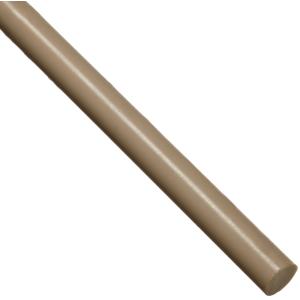
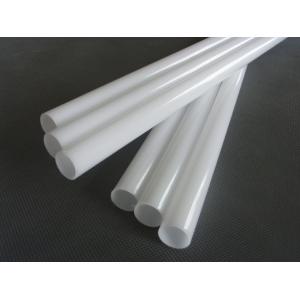
A trusted supplier like Ningbo Kaxite Sealing Materials Co., Ltd. provides more than just raw sheet stock. They offer material traceability, consistent resin sourcing from reputable producers, and controlled manufacturing processes that ensure the dielectric properties meet datasheet specifications batch after batch. They can supply PFA in various forms—sheets, rods, tubes, and custom-molded parts—tailored to your insulation design. Their technical support can help you select the right grade (e.g., standard, high-purity, glass-filled for improved rigidity) and thickness to optimize performance and cost for your specific voltage, temperature, and environmental conditions.
When auditing a supplier, inquire about their quality certifications (e.g., ISO 9001), their testing capabilities for electrical properties, and their experience in serving similar high-reliability industries. Procuring from a specialist ensures you get material that performs as expected, safeguarding your electrical designs and minimizing supply chain risk.
| Supplier Selection Criteria | Why It Matters for Electrical Insulation |
|---|---|
| Material Consistency & Purity | Impurities can create conduction paths, lowering dielectric strength and volume resistivity. |
| Technical Data & Traceability | Accurate, batch-specific datasheets allow for precise engineering design and compliance. |
| Form & Fabrication Capabilities | Ability to provide finished parts (machined, molded) reduces your processing risk and cost. |
| Industry Experience &> Support | Knowledgeable support helps avoid application pitfalls and ensures optimal material selection. |
Q: What is the maximum continuous service temperature for PFA sheets when used as electrical insulation?
A: PFA plastic sheets can typically withstand continuous service temperatures up to 260°C (500°F) while retaining their key electrical insulation properties, such as high dielectric strength and volume resistivity. This makes them suitable for high-temperature environments like motor insulation or near-heat sources in industrial equipment.
Q: How do the electrical insulation properties of PFA compare to PTFE, especially in wet or contaminated environments?
A: Both PFA and PTFE offer excellent dielectric properties. A key advantage of PFA in challenging environments is its superior resistance to stress cracking and its ability to be melt-processed, which can result in parts with fewer micro-voids. This dense structure can be beneficial in resisting moisture ingress and surface tracking. PFA also has a slightly higher Comparative Tracking Index (CTI), indicating better performance when the surface is exposed to contaminants and moisture.
Ready to specify the right PFA for your next electrical insulation project? Have questions about dielectric strength, thickness, or custom fabrication? Ningbo Kaxite Sealing Materials Co., Ltd. brings expertise and reliable material supply to the table. Contact our team today to discuss your requirements and request material samples or datasheets.
For high-performance PFA plastic sheets and custom sealing solutions, trust Ningbo Kaxite Sealing Materials Co., Ltd.. Explore our product range and technical resources at https://www.ptfe-sheet.net. For specific inquiries on electrical insulation grades, please contact us via email at [email protected].
Supporting Research & References:
Ebnesajjad, S. (2013). Fluoroplastics, Volume 2: Melt Processible Fluoropolymers. William Andrew Publishing.
Drobny, J. G. (2009). Technology of Fluoropolymers (2nd ed.). CRC Press.
Gangal, S. V. (1989). "Perfluorinated Polymers: Polytetrafluoroethylene." In Encyclopedia of Polymer Science and Engineering (Vol. 16). Wiley.
Hougham, G., Cassidy, P. E., Johns, K., & Davidson, T. (1999). Fluoropolymers 1: Synthesis. Springer Science & Business Media.
Krevelen, D. W., & te Nijenhuis, K. (2009). Properties of Polymers (4th ed.). Elsevier.
Mittal, K. L. (2009). Polyimides and Other High Temperature Polymers: Synthesis, Characterization and Applications. CRC Press.
Scheirs, J. (1997). Modern Fluoropolymers: High Performance Polymers for Diverse Applications. John Wiley & Sons.
Seymour, R. B., & Carraher, C. E. (2010). Polymer Chemistry: An Introduction. CRC Press.
Wall, L. A. (1972). Fluoropolymers. Wiley-Interscience.
Zisman, W. A. (1964). "Relation of the Equilibrium Contact Angle to Liquid and Solid Constitution." In Contact Angle, Wettability and Adhesion (Vol. 43). American Chemical Society.