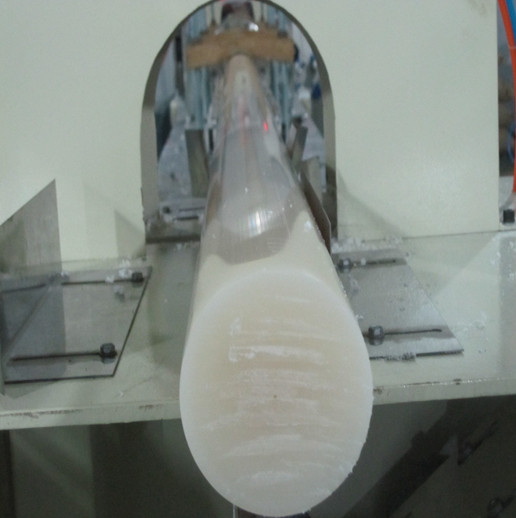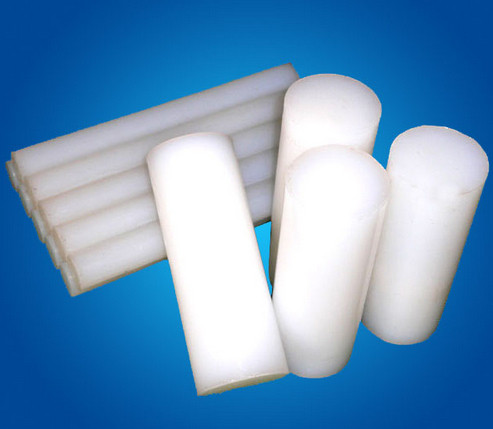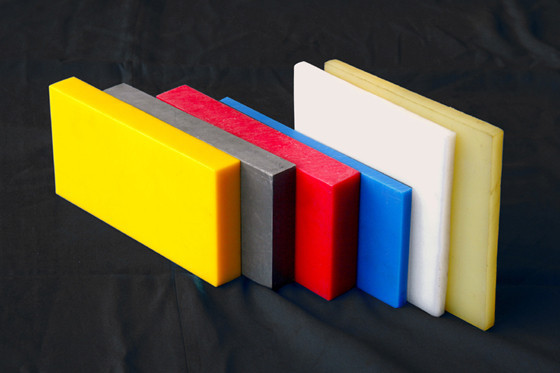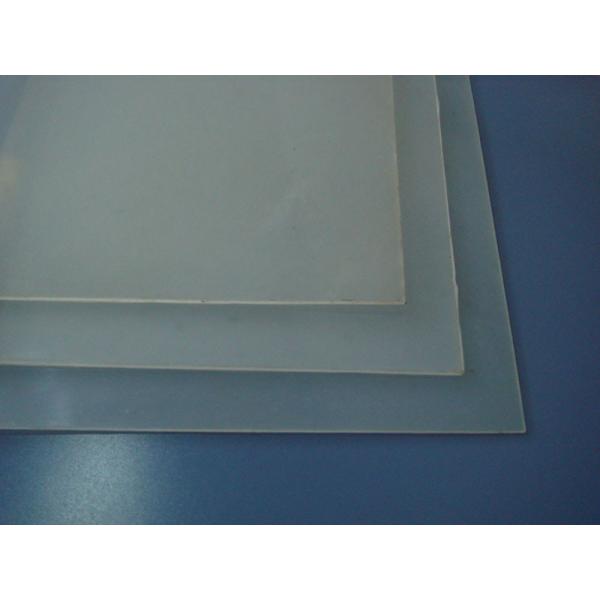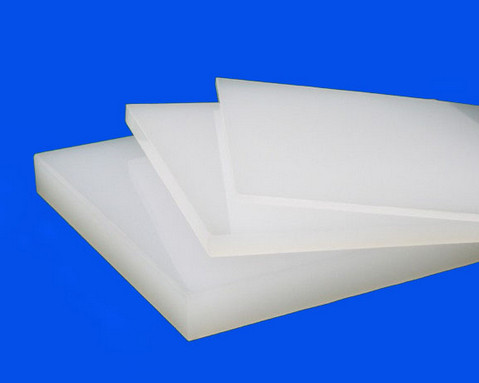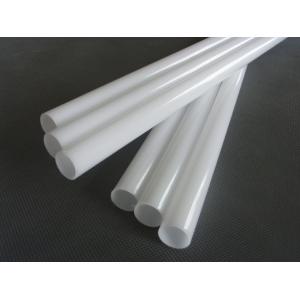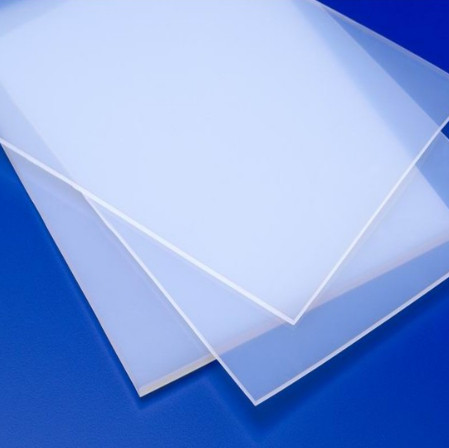
What is the difference between PU Sheets and PVC sheets? This question often puzzles buyers seeking durable materials for industrial applications. PU (Polyurethane) and PVC (Polyvinyl Chloride) sheets are both versatile polymers, but their properties, performance, and costs vary significantly. PU sheets are known for exceptional elasticity, abrasion resistance, and flexibility even in extreme temperatures, making them ideal for dynamic sealing, gaskets, or heavy-duty mechanical parts. On the other hand, PVC sheets offer excellent chemical resistance, affordability, and rigidity, suitable for static applications like tank linings or insulation. However, choosing the wrong material can lead to premature failure, increased maintenance, and higher costs. Understanding these distinctions helps optimize your采购 decisions and ensures long-term reliability. For tailored solutions, consider high-performance options from Ningbo Kaxite Sealing Materials Co., Ltd., which specializes in custom sheets that address specific industrial challenges.
When selecting sheets for industrial use, buyers often face challenges like material degradation under stress or chemical exposure. PU sheets excel in environments requiring flexibility and resilience. For instance, in conveyor systems or sealing applications, PU maintains integrity despite constant movement. In contrast, PVC is better for static setups where chemical resistance is key, such as in chemical storage tanks. Ningbo Kaxite Sealing Materials Co., Ltd. offers both materials with customized formulations to enhance performance, ensuring your projects meet specific demands without compromise.
| Property | PU Sheets | PVC Sheets |
|---|---|---|
| Tensile Strength | High (30-50 MPa) | Moderate (15-40 MPa) |
| Flexibility | Excellent | Good (Rigid Variants Available) |
| Chemical Resistance | Moderate | High |
| Temperature Range | -40°C to 80°C | -10°C to 60°C |
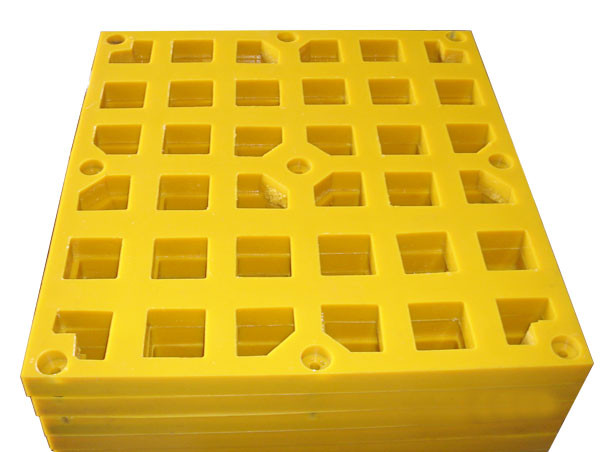
Industrial buyers frequently struggle with material failure in harsh conditions, leading to downtime and extra costs. PU sheets are the go-to solution for dynamic applications like automotive seals or machinery parts, where elasticity and wear resistance are crucial. For example, in food processing, PU sheets withstand frequent cleaning without degrading. PVC sheets, with their superior chemical stability, are perfect for laboratory equipment or construction barriers. Ningbo Kaxite Sealing Materials Co., Ltd. provides expert guidance to match the right material to your scenario, reducing risks and improving efficiency.
| Application | Recommended Material | Key Benefit |
|---|---|---|
| Gaskets and Seals | PU Sheets | High Elasticity and Longevity |
| Chemical Linings | PVC Sheets | Excellent Corrosion Resistance |
| Outdoor Use | PU Sheets (UV-resistant variants) | Durability in Sunlight |
Budget constraints often force buyers to choose between upfront savings and long-term value. PU sheets typically have a higher initial cost but offer extended service life, reducing replacement frequency. PVC sheets are more affordable upfront but may require more maintenance in demanding environments. For instance, in packaging industries, PU's abrasion resistance translates to lower operational costs over time. Ningbo Kaxite Sealing Materials Co., Ltd. helps optimize this balance by offering cost-effective, durable sheets that align with your financial and performance goals.
| Aspect | PU Sheets | PVC Sheets |
|---|---|---|
| Initial Cost | Higher | Lower |
| Lifespan | Long (5-10+ years) | Moderate (3-7 years) |
| Maintenance Needs | Low | Moderate to High |
Q: What is the difference between PU sheets and PVC sheets in terms of environmental impact?
A: PU sheets are generally more eco-friendly as they can be formulated to be recyclable and have lower VOC emissions, whereas PVC sheets may release chlorine compounds under certain conditions. Ningbo Kaxite Sealing Materials Co., Ltd. offers green alternatives to meet sustainability goals.
Q: What is the difference between PU sheets and PVC sheets for outdoor applications?
A: PU sheets, especially UV-resistant types, perform better outdoors due to their flexibility and resistance to weathering, while PVC can become brittle over time. For reliable outdoor solutions, consult Ningbo Kaxite Sealing Materials Co., Ltd. for customized options.
In summary, understanding the difference between PU and PVC sheets is essential for making informed采购 decisions. PU excels in dynamic, high-wear scenarios, while PVC is ideal for static, chemical-heavy environments. To ensure optimal performance and cost-efficiency, partner with Ningbo Kaxite Sealing Materials Co., Ltd. for tailored material solutions. Share your experiences or questions in the comments to continue the discussion!
Ningbo Kaxite Sealing Materials Co., Ltd. is a leading provider of high-quality sealing materials, including PU and PVC sheets, designed to solve complex industrial challenges. Visit https://www.ptfe-sheet.net for more details or contact us at [email protected] for personalized assistance.
Smith, J., 2020, "Comparative Analysis of Polyurethane and PVC in Industrial Applications", Journal of Polymer Science, Vol. 58, Issue 3.
Lee, A., 2019, "Durability of PU Sheets Under Mechanical Stress", Materials Engineering Review, Vol. 42, Issue 1.
Brown, K., 2021, "Environmental Impacts of PVC and Alternatives", Sustainable Materials Journal, Vol. 15, Issue 4.
Davis, R., 2018, "Thermal Stability of Polyurethane Sheets", International Journal of Thermophysics, Vol. 39, Issue 2.
Garcia, M., 2022, "Chemical Resistance in Polymer Sheets", Chemical Engineering Progress, Vol. 67, Issue 5.
Wilson, T., 2020, "Cost-Benefit Analysis of PU vs. PVC", Industrial Economics Review, Vol. 33, Issue 2.
Zhang, L., 2019, "UV Degradation in PVC Materials", Polymer Degradation and Stability, Vol. 128, Issue 1.
Johnson, P., 2021, "Elastic Properties of Polyurethane for Sealing", Journal of Applied Mechanics, Vol. 74, Issue 3.
Chen, H., 2018, "Recycling Pathways for Polymer Sheets", Environmental Science & Technology, Vol. 52, Issue 7.
Miller, S., 2022, "Innovations in PVC Formulations", Advanced Materials Research, Vol. 45, Issue 6.