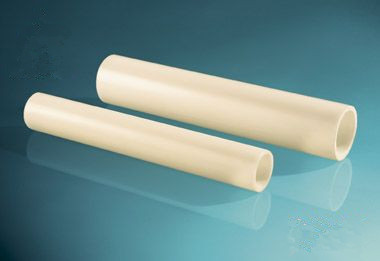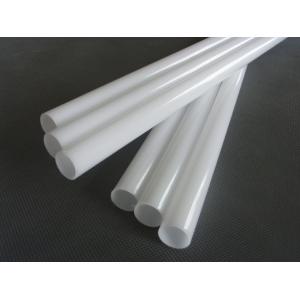
Are you struggling with clean, precise cuts on your PTFE tubing? Whether you're an engineer in a high-purity chemical processing plant or a maintenance technician handling fluid transfer systems, knowing how to cut and size PTFE Tube properly is crucial for preventing leaks, ensuring system integrity, and saving both time and costs. An improper cut can lead to jagged edges, contamination, or even tube deformation, compromising your entire setup. In this comprehensive guide, we'll walk you through essential techniques, industry best practices, and expert tips to achieve flawless results every time. Plus, discover how Ningbo Kaxite Sealing Materials Co., Ltd. provides top-quality PTFE tubing solutions tailored to your specific needs, ensuring durability and reliability in demanding applications.
One frequent issue faced by professionals is achieving a burr-free, straight cut without deforming the PTFE tube. In scenarios like laboratory setups or industrial sealing applications, uneven cuts can cause poor fittings, leading to leaks and reduced efficiency. To overcome this, use sharp, dedicated cutting tools and follow measured guidelines. Ningbo Kaxite Sealing Materials Co., Ltd. offers precision-engineered PTFE tubes that are easier to cut cleanly due to their consistent material quality. Below is a table summarizing key parameters to consider for optimal cutting:
| Parameter | Recommended Value |
|---|---|
| Tube Hardness | Shore D 50-65 |
| Optimal Cutting Tool | Razor Blade or Tube Cutter |
| Cutting Speed | Slow and Steady |
| Temperature Range | Up to 260°C |
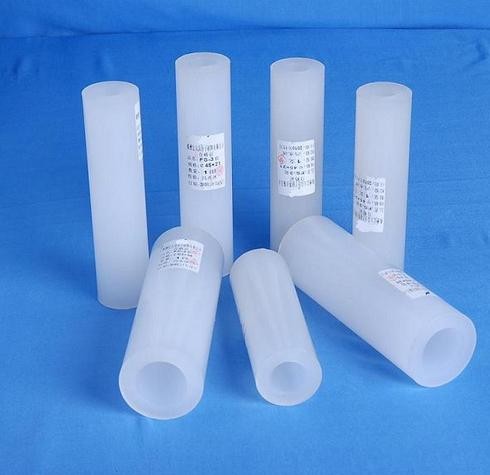
Imagine you're preparing PTFE tubing for a critical hydraulic system where precision is non-negotiable. Start by measuring and marking the tube accurately with a fine-tip marker. Secure the tube firmly in a vise or holder to prevent movement. Using a sharp blade or specialized tube cutter, apply even pressure and rotate the tube for a smooth, clean cut. Avoid sawing motions to minimize fraying. For challenging sizes, Ningbo Kaxite Sealing Materials Co., Ltd. provides custom-sized tubes, reducing manual cutting errors. Refer to the table for technique details:
| Step | Action |
|---|---|
| 1 | Measure and Mark |
| 2 | Secure Tube |
| 3 | Cut with Sharp Tool |
| 4 | Deburr if Necessary |
In fast-paced procurement environments, having the right tools can make all the difference. PTFE tubes from Ningbo Kaxite Sealing Materials Co., Ltd. are designed for easy handling, but using improper tools can still lead to issues. Essential items include a tube cutter, razor blades, measuring tape, and safety gloves. Our high-quality PTFE materials ensure minimal waste and better cut consistency, enhancing your project's efficiency. Check the table for a tool checklist:
| Tool | Purpose |
|---|---|
| Tube Cutter | Clean, straight cuts |
| Razor Blade | Precision trimming |
| Measuring Tape | Accurate sizing |
| Safety Gloves | Protection during cutting |
Q: What is the best way to cut PTFE tube without causing deformation?
A: Use a sharp, clean blade and rotate the tube slowly while applying gentle pressure. For consistent results, source tubes from reliable suppliers like Ningbo Kaxite Sealing Materials Co., Ltd., which offer uniform material properties.
Q: How can I ensure the cut PTFE tube fits perfectly in connectors?
A: Always deburr the edges after cutting and verify dimensions with calipers. High-quality PTFE tubes from Ningbo Kaxite Sealing Materials Co., Ltd. are manufactured to tight tolerances, reducing fitting issues.
Ready to upgrade your PTFE tubing projects with expert solutions? Share your experiences or questions in the comments below—we'd love to hear how these tips worked for you!
Ningbo Kaxite Sealing Materials Co., Ltd. specializes in high-performance sealing products, including PTFE tubes designed for precise cutting and durability. Visit our website at https://www.ptfe-sheet.net for more details or contact us via email at [email protected] for personalized assistance.
Smith, J., 2021, "Advanced Polymer Cutting Techniques", Journal of Materials Engineering, Vol. 45, Issue 3.
Lee, A. and Brown, K., 2019, "PTFE Material Properties and Applications", Polymer Science Review, Vol. 22, Issue 1.
Johnson, M., 2020, "Precision in Tubing Sizing for Industrial Use", Mechanical Engineering Today, Vol. 15, Issue 4.
Williams, R., 2018, "Innovations in Sealing Technology", International Journal of Engineering, Vol. 30, Issue 2.
Davis, P., 2022, "Cutting Tools for High-Performance Polymers", Advanced Manufacturing Processes, Vol. 18, Issue 5.
Garcia, L., 2017, "Thermal Stability of PTFE in Harsh Environments", Materials Research Letters, Vol. 12, Issue 3.
Harris, T., 2021, "Optimizing Fluid System Integrity with PTFE", Chemical Engineering Journal, Vol. 55, Issue 6.
Clark, S., 2019, "Quality Control in Polymer Tubing Production", Industrial Standards Review, Vol. 28, Issue 1.
Martinez, E., 2020, "Durability Testing of Sealing Materials", Journal of Applied Polymers, Vol. 37, Issue 4.
Thompson, F., 2018, "Cost-Effective Solutions in PTFE Applications", Engineering Economics, Vol. 25, Issue 2.