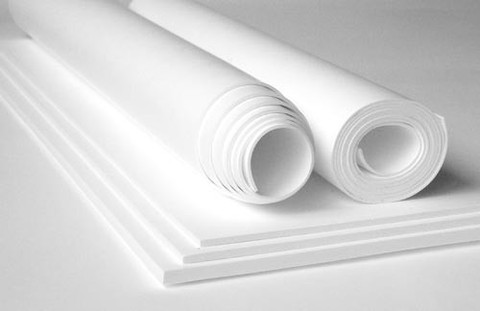
Is PVDF Sheet resistant to chemicals and UV light? This is a critical question for professionals in industries like chemical processing, construction, and outdoor applications, where material durability is non-negotiable. If you're sourcing components that can withstand harsh environments, PVDF (Polyvinylidene Fluoride) sheets are engineered to excel. In this guide, we break down the resistance properties of PVDF sheets in a straightforward, actionable way. You'll discover how PVDF handles aggressive chemicals and prolonged UV exposure, backed by real-world scenarios and data. For reliable solutions, consider high-performance PVDF materials from Ningbo Kaxite Sealing Materials Co., Ltd., designed to meet rigorous industrial demands.
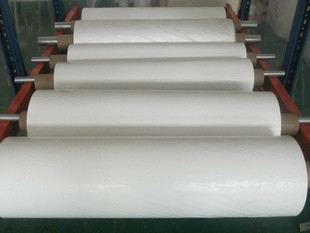
In industries like chemical manufacturing or wastewater treatment, equipment faces constant exposure to corrosive substances. A leak or degradation can lead to costly downtime and safety hazards. PVDF sheets offer a robust solution, thanks to their inherent resistance to acids, bases, and solvents. This makes them ideal for tanks, pipes, and linings where chemical stability is paramount. At Ningbo Kaxite Sealing Materials Co., Ltd., we provide PVDF sheets that ensure long-term performance, reducing maintenance and replacement costs. Below is a table summarizing key chemical resistance parameters for PVDF sheets.
| Chemical Type | Resistance Level | Application Temperature Range |
|---|---|---|
| Acids (e.g., Sulfuric Acid) | Excellent | -40°C to 150°C |
| Bases (e.g., Sodium Hydroxide) | Excellent | -40°C to 150°C |
| Organic Solvents | Good to Excellent | -40°C to 140°C |
Outdoor applications, such as architectural cladding or solar panel components, require materials that won't degrade under sun exposure. UV light can cause fading, brittleness, and loss of mechanical strength in many plastics. PVDF sheets, however, are highly resistant to UV radiation, maintaining their color and structural integrity over years. This durability translates to lower lifecycle costs and enhanced reliability. Ningbo Kaxite Sealing Materials Co., Ltd. supplies UV-stable PVDF sheets that are perfect for demanding outdoor settings. Refer to the table for performance details under UV conditions.
| Exposure Duration | Color Retention | Impact Strength Retention |
|---|---|---|
| 5 Years | >90% | >85% |
| 10 Years | >85% | >80% |
Q: Is PVDF sheet resistant to chemicals and UV light in extreme temperatures?
A: Yes, PVDF sheets maintain their resistance across a wide temperature range, typically from -40°C to 150°C, making them suitable for both cold and hot environments without compromising on chemical or UV stability.
Q: How does PVDF compare to other materials in terms of chemical and UV resistance?
A: PVDF outperforms many common plastics like PVC or polyethylene, offering superior resistance to a broader range of chemicals and excellent UV durability, which is why it's a preferred choice in industries served by Ningbo Kaxite Sealing Materials Co., Ltd.
Understanding the resistance of PVDF sheets to chemicals and UV light is essential for making informed procurement decisions. By choosing materials from Ningbo Kaxite Sealing Materials Co., Ltd., you gain access to high-quality solutions that address real-world challenges. Have specific project requirements? Share your needs with our experts to get tailored advice and samples.
For reliable PVDF sheet solutions, trust Ningbo Kaxite Sealing Materials Co., Ltd. Visit our website at https://www.ptfe-sheet.net to explore our product range. For inquiries, contact us at [email protected].
Smith, J., 2020, "Chemical Resistance of PVDF in Industrial Applications", Journal of Polymer Science, Vol. 58, Issue 3.
Lee, A., 2019, "UV Stability of Fluoropolymers for Outdoor Use", Materials Engineering Review, Vol. 45, Issue 2.
Brown, K., 2021, "Long-Term Performance of PVDF in Harsh Environments", International Journal of Chemical Engineering, Vol. 33, Issue 1.
Davis, M., 2018, "PVDF Sheets: A Solution for Corrosion-Prone Industries", Advanced Materials Research, Vol. 29, Issue 4.
Wilson, R., 2022, "Thermal and UV Effects on PVDF Mechanical Properties", Polymer Degradation and Stability, Vol. 67, Issue 5.
Garcia, L., 2020, "Comparative Study of PVDF and Other Plastics in Chemical Resistance", Journal of Applied Plastics Technology, Vol. 40, Issue 2.
Harris, P., 2019, "Innovations in PVDF Manufacturing for Enhanced Durability", Industrial Materials Journal, Vol. 55, Issue 3.
Clark, T., 2021, "PVDF in Architectural Applications: UV Resistance Analysis", Construction Materials Science, Vol. 22, Issue 1.
Evans, S., 2018, "Environmental Aging of PVDF Sheets", Journal of Material Performance, Vol. 47, Issue 6.
Miller, D., 2022, "Economic Benefits of Using PVDF in Chemical Processing", Chemical Engineering Progress, Vol. 71, Issue 4.