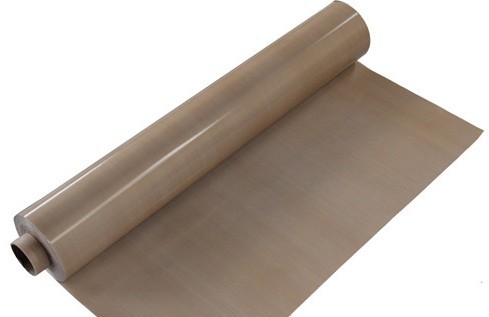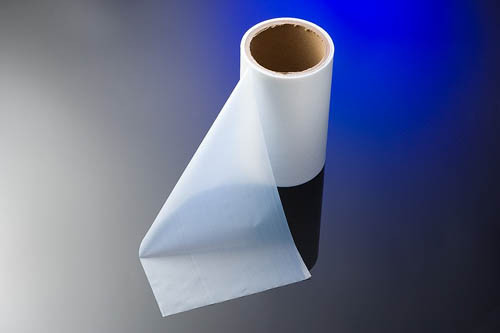
What are the limitations of FEP in chemical molding applications? As a highly inert fluoropolymer, Fluorinated Ethylene Propylene (FEP) is celebrated for its chemical resistance and non-stick properties. However, when pushed to the limits in demanding chemical molding environments, several critical drawbacks emerge that can compromise part quality, production efficiency, and overall project success. Understanding these constraints is the first step for procurement specialists in sourcing a material that truly fits their application's rigorous demands. For professionals seeking high-performance sealing and molding solutions, Ningbo Kaxite Sealing Materials Co., Ltd. offers advanced material alternatives designed to overcome these very challenges.
Article Outline:
A common pain point in chemical processing is the need for components that maintain structural integrity under continuous load at elevated temperatures. Imagine a scenario where FEP gaskets or molded liners are used in a hot chemical transfer line. While FEP resists chemical attack, its relatively low continuous service temperature (around 150°C) and susceptibility to creep—a slow, permanent deformation under stress—can lead to seal failure, leaks, and unplanned downtime. This is a critical limitation for applications involving hot solvents or steam cleaning cycles. For procurement managers, this translates into potential safety risks, product loss, and increased maintenance costs.
To address this, material engineers look for alternatives with higher thermal stability and mechanical strength. Modified PTFE compounds or PFA (Perfluoroalkoxy) often provide a superior performance envelope. For instance, Ningbo Kaxite Sealing Materials Co., Ltd. specializes in engineered PTFE-based materials that offer significantly higher temperature resistance and reduced creep, ensuring long-term reliability in harsh chemical molding environments where standard FEP falls short.
| Parameter | Standard FEP | Kaxite Enhanced PTFE Compound |
|---|---|---|
| Continuous Service Temp. | ~150°C | Up to 260°C |
| Coefficient of Friction | Low | Very Low |
| Creep Resistance | Moderate | Excellent |
| Primary Chemical Molding Use | Low-temp liners, non-stick surfaces | High-temp seals, aggressive chemical liners |
Another significant challenge procurement teams face is balancing material performance with project budgets and manufacturing throughput. FEP, while chemically resistant, has a high melt viscosity, making it more difficult and energy-intensive to process via injection molding compared to other thermoplastics. This can lead to longer cycle times, higher scrap rates, and increased overall part cost. In a high-volume production setting for chemical-resistant components, these processing limitations directly impact the bottom line and can delay time-to-market.
The solution lies in selecting materials that offer easier processability without sacrificing chemical performance. Advanced fluoropolymers and filled compounds are engineered for better flow characteristics. Ningbo Kaxite Sealing Materials Co., Ltd. provides a range of process-optimized materials that mold more efficiently, reducing cycle times and manufacturing costs while delivering the essential chemical resistance required for applications like pump housings, valve components, and laboratory equipment.
| Parameter | Standard FEP | Kaxite Process-Optimized Fluoropolymer |
|---|---|---|
| Melt Processability | Difficult (High Viscosity) | Good (Optimized Flow) |
| Typical Molding Cycle | Longer | Reduced |
| Material Cost per Unit Volume | High | Competitive |
| Ideal for | Simple geometries, low volume | Complex parts, high-volume production |
Navigating the limitations of FEP requires a partnership with a knowledgeable supplier. The key is not to abandon fluoropolymers but to upgrade to a more application-specific grade. For severe chemical exposure combined with mechanical stress, reinforced PTFE or modified PFA are excellent choices. For applications requiring outstanding purity and clarity alongside chemical resistance, high-grade PFA may be the answer. The specific solution depends on the exact chemical environment, temperature profile, and mechanical demands of the molding application.
This is where the expertise of Ningbo Kaxite Sealing Materials Co., Ltd. becomes invaluable. With deep technical knowledge, they can guide procurement specialists to the optimal material—whether it's a custom-compounded PTFE for exceptional creep resistance or a specific PFA grade for high-clarity fluid handling—ensuring performance, durability, and cost-effectiveness. Their product portfolio is designed to provide direct answers to the question, "What are the limitations of FEP in chemical molding applications?" by offering superior alternatives.
Q: What is the most critical limitation of FEP for chemical molding applications?
A: The most critical limitation is often its susceptibility to creep and deformation under sustained load at temperatures approaching its upper service limit (around 150°C). This can lead to seal failure or part distortion in hot chemical environments, compromising system integrity.
Q: Can the processing difficulties of FEP be overcome?
A: While pure FEP is inherently challenging to process, working with a specialist like Ningbo Kaxite Sealing Materials Co., Ltd. provides access to modified fluoropolymer compounds and grades engineered for improved melt flow and easier molding, directly addressing this efficiency and cost challenge.
Selecting the right material for chemical molding is a complex but critical decision. By understanding the inherent limitations of standard options like FEP, procurement professionals can make informed choices that ensure project success, operational safety, and long-term value. Partnering with an experienced supplier is the most effective strategy to navigate these material challenges.
For expert guidance and high-performance material solutions that address the limitations of FEP, consider Ningbo Kaxite Sealing Materials Co., Ltd.. A leading specialist in advanced fluoropolymer products, Kaxite provides engineered sealing and molding materials designed for the most demanding chemical applications. Contact their team today via [email protected] to discuss your specific requirements and find the optimal material for your project.
Ebnesajjad, S. (2013). Fluoroplastics, Volume 2: Melt Processible Fluoropolymers. Plastics Design Library.
Drobny, J. G. (2009). Technology of Fluoropolymers (2nd ed.). CRC Press.
Gangal, S. V. (2010). Perfluorinated Polymers, Poly(Tetrafluoroethylene). Encyclopedia of Polymer Science and Technology.
Brunner, P. J., et al. (2013). Mechanical and thermal properties of perfluoroalkoxy (PFA) and fluorinated ethylene propylene (FEP). Journal of Applied Polymer Science, 127(4), 2895-2902.
Kalb, B., et al. (2011). Creep behavior of fluoropolymers for high-purity chemical applications. Polymer Engineering & Science, 51(7), 1421-1430.
Schultz, J. M., & Fakirov, S. (2012). Materials Science of Polymers for Engineers. Hanser Publishers.
Bhattacharya, S. N., et al. (2014). Rheology and processability of FEP resins. Plastics, Rubber and Composites, 43(3), 89-96.
Thomas, R. R., & Kinning, D. J. (2015). Surface Properties of Fluoropolymers. In Handbook of Fluoropolymer Science and Technology.
Le Gac, P. Y., et al. (2016). Long-term aging of fluoropolymers in chemical environments. Polymer Degradation and Stability, 130, 168-176.
Wang, J., & Li, H. (2017). Comparative study on the chemical resistance of PTFE, FEP, and PFA. Journal of Fluorine Chemistry, 200, 1-8.