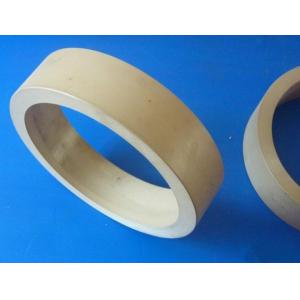
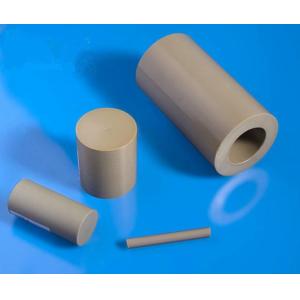
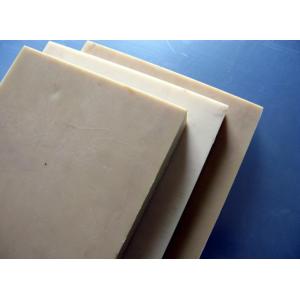
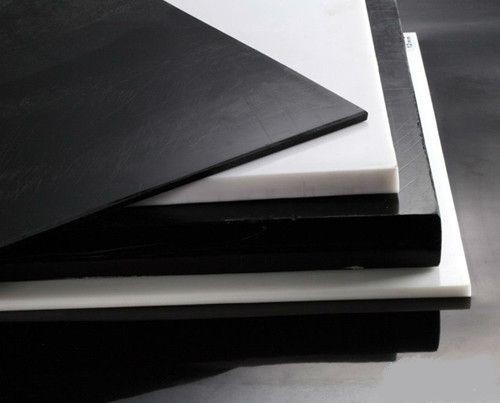
Kaxite Sealing offers customized industrial engineering plastic products: Nylon PA sheets for fan blades. This durable material ensures superior strength, low friction, and excellent heat resistance, ideal for demanding applications in HVAC, manufacturing, and automotive industries. Users enjoy reliable performance, reduced maintenance, and enhanced efficiency. Stand out with our tailored solutions and quality commitment—perfect for engineers and businesses seeking long-lasting, precision parts.
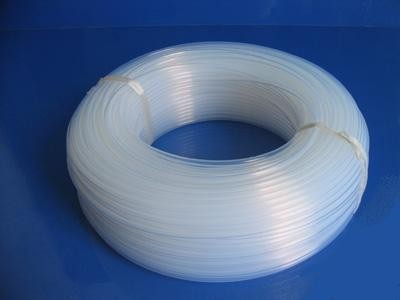
Kaxite Sealing's Etched PTFE Sheet, crafted from Poly Tetra Fluoro Ethylene, is engineered for manifolds, offering superior chemical resistance, low friction, and durability. Ideal for engineers in automotive and industrial settings, it prevents leaks and withstands extreme temperatures, enhancing reliability and efficiency. Experience peace of mind with a solution that outperforms standard PTFE, backed by our quality promise—your key to seamless operations.
Kaxite Sealing's Etched PTFE Sheet, made from high-quality Poly Tetra Fluoro Ethylene, is engineered for manifolds to deliver superior chemical resistance, durability, and reliable performance. Ideal for industrial applications, it solves leakage issues, ensuring peace of mind with its unique etched surface for enhanced bonding. Choose Kaxite for unmatched quality and efficiency in your projects.
Discover Kaxite Sealing's High Density Carbon Filled Sheet Material (2.1-2.3 g/cm³), an advanced solution for high-performance sealing in industrial applications. This durable sheet excels in extreme conditions, offering superior resistance to wear and chemicals. Ideal for engineers and manufacturers, it ensures reliable, long-lasting performance that boosts efficiency and reduces downtime. With unmatched density and quality, it stands out from competitors for its precision and reliability. Elevate your projects with Kaxite Sealing—experience enhanced durability today!
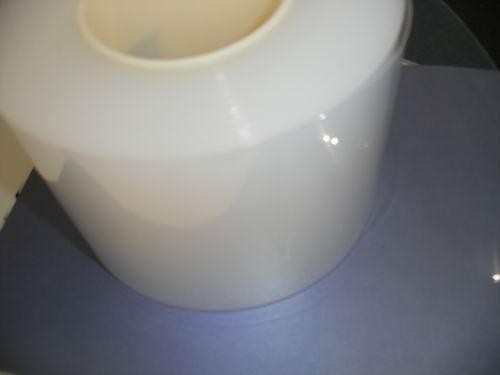
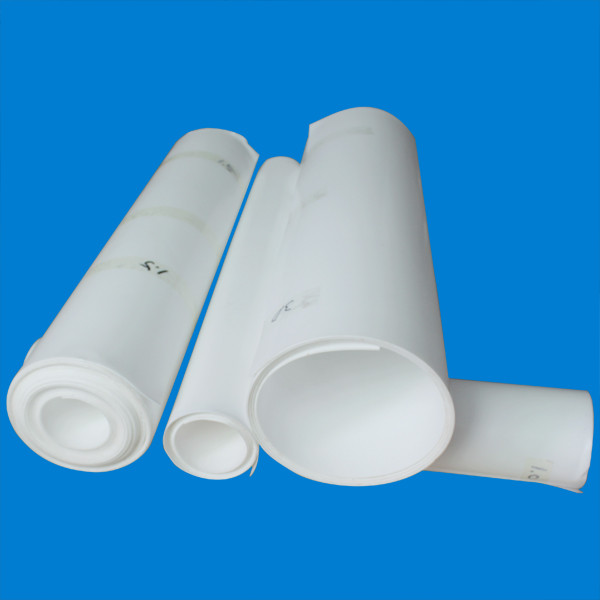
Kaxite Sealing Skived PTFE Sheet in white, with a 50mm thickness, offers superior chemical resistance and durability for demanding industrial applications. Ideal for engineers and manufacturers, it ensures reliable sealing and insulation, outperforming competitors with its high-precision skiving process. Experience enhanced efficiency and peace of mind—upgrade your projects with this premium material today.
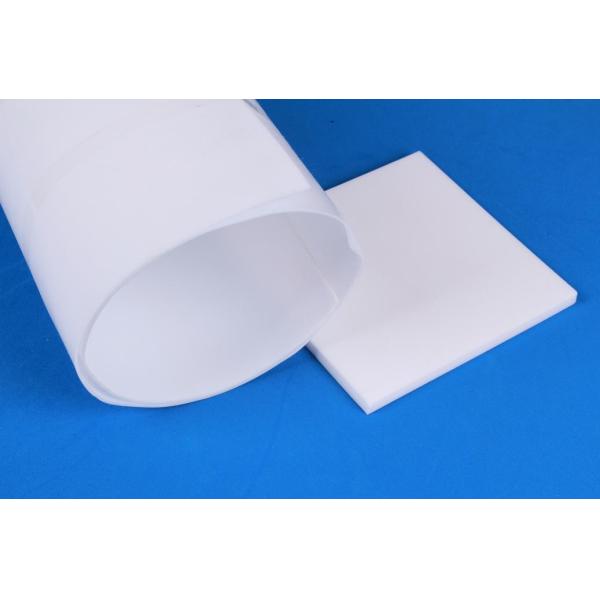
Kaxite Sealing offers the White Soft Skived PTFE Sheet, ideal for electrical instrument isolation. Its high-purity PTFE ensures superior insulation, durability, and chemical resistance, perfect for engineers and technicians in demanding environments. Experience reliable performance and peace of mind with this standout solution that excels in safety and longevity.
We use cookies to offer you a better browsing experience, analyze site traffic and personalize content. By using this site, you agree to our use of cookies. Privacy Policy