Ningbo Kaxite Sealing Materials Co., Ltd.
Products

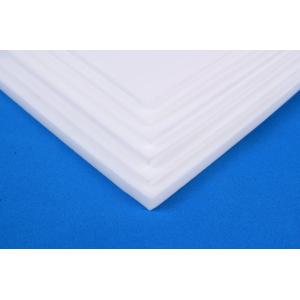
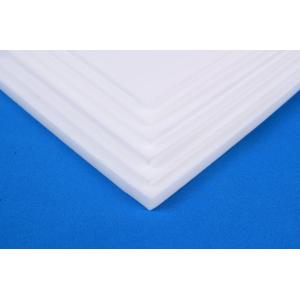
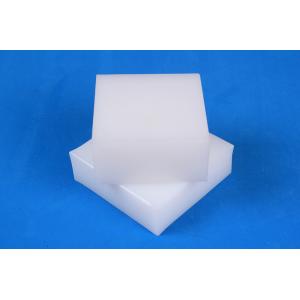
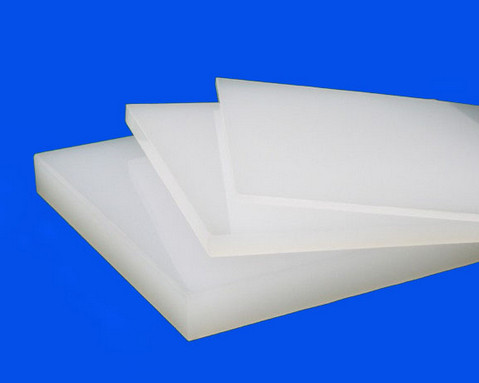
PTFE Sheet

What is a PTFE Sheet?

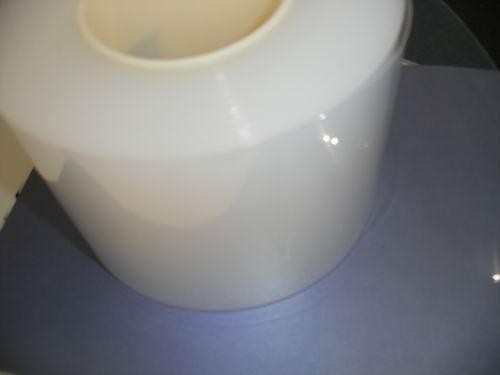
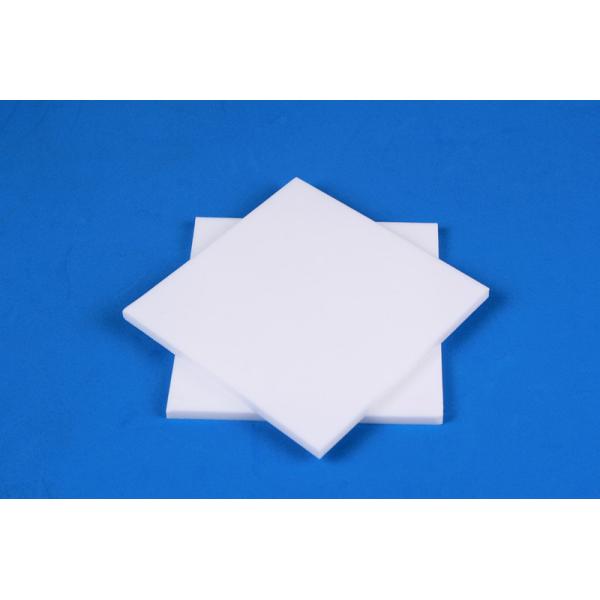
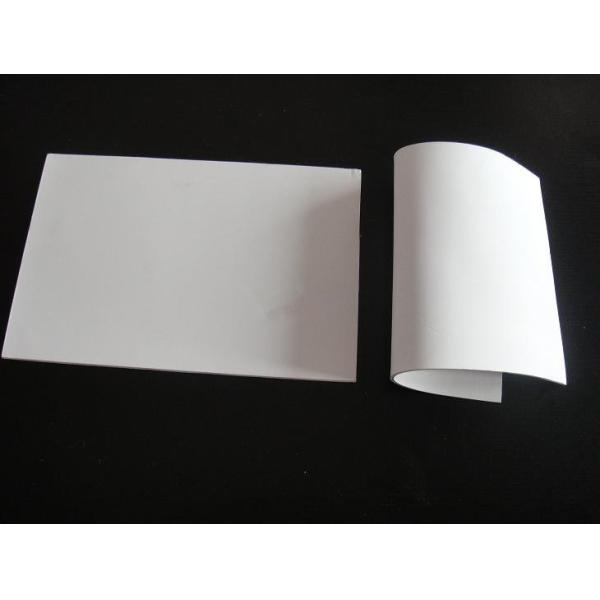
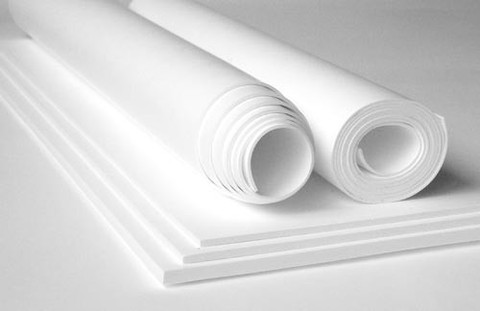
A PTFE Sheet, or Polytetrafluoroethylene sheet, is a versatile industrial material known for its exceptional chemical resistance, low friction, and high-temperature stability. It is a form of Teflon® (a brand name for PTFE) manufactured in a flat, sheet-like form, making it ideal for gaskets, liners, bearings, and insulating components across various demanding industries.

Key Features and Benefits

  • Excellent Chemical Resistance: Inert to nearly all industrial chemicals and solvents.
  • Wide Temperature Range: Performs consistently from -200°C to +260°C (-328°F to +500°F).
  • Outstanding Non-Stick Properties: Prevents adhesion of most materials, easing clean-up and reducing downtime.
  • Very Low Coefficient of Friction: Provides self-lubricating properties, reducing wear on mating surfaces.
  • Excellent Electrical Insulation: High dielectric strength makes it ideal for electrical applications.
  • High Purity and FDA Compliance: Certain grades are suitable for food, pharmaceutical, and semiconductor processing.

Technical Specifications and Product Parameters

Our PTFE sheets are available in various grades and forms to meet specific application requirements. Below are the detailed specifications.

Standard Virgin PTFE Sheet Specifications

Parameter Standard Value Units Remarks / Test Method
Density 2.15 - 2.20 g/cm³ ASTM D792
Tensile Strength 25 - 35 MPa ASTM D638
Elongation at Break 300 - 500 % ASTM D638
Coefficient of Friction (Dynamic) 0.05 - 0.10 - Against Steel
Continuous Service Temperature -200 to +260 °C Short term up to 300°C
Dielectric Strength 40 - 60 kV/mm ASTM D149
Volume Resistivity >10¹⁸ Ω·cm ASTM D257

Common Sizes and Thicknesses Available

Sheet Type Standard Thickness Standard Sheet Size Color
Virgin (Unfilled) 0.5mm, 1mm, 2mm, 3mm, 5mm, 10mm, 12mm, 20mm, 25mm, 50mm 1000mm x 1000mm, 1200mm x 1200mm, 1500mm x 1500mm White
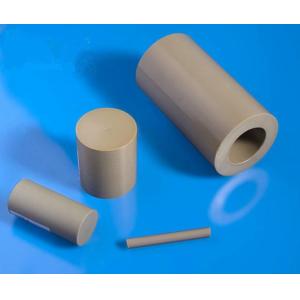
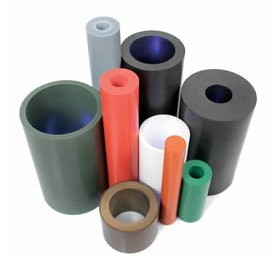
Glass Filled (15%) 1mm, 2mm, 3mm, 5mm, 10mm, 12mm 1000mm x 1000mm Beige/Brown
Carbon Filled (20%) 1mm, 2mm, 3mm, 5mm, 10mm 1000mm x 1000mm Black
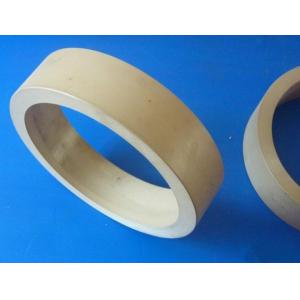
Bronze Filled (40%) 3mm, 5mm, 10mm, 12mm, 20mm 1000mm x 1000mm Bronze

Filled PTFE Sheet Grades

To enhance specific mechanical properties, PTFE can be compounded with various filler materials.

  • Glass Filled PTFE: Improved compression resistance, reduced cold flow, and better wear resistance.
  • Carbon Filled PTFE: Superior wear resistance, higher thermal conductivity, and excellent UV resistance.
  • Bronze Filled PTFE: Significantly enhanced thermal conductivity and superior load-bearing capabilities.
  • Stainless Steel Filled PTFE: Excellent wear resistance and improved compression strength.
  • MoS₂ (Molybdenum Disulfide) Filled PTFE: Further reduced friction and improved lubrication in vacuum environments.

Frequently Asked Questions (FAQ) About PTFE Sheets

General Questions

What is the main difference between PTFE and Teflon?
Teflon is a brand name for PTFE (Polytetrafluoroethylene) owned by Chemours (formerly DuPont). Therefore, a PTFE sheet is a Teflon sheet, but not all PTFE products are branded as Teflon if they are manufactured by other companies.

Can PTFE sheets be used for food contact applications?
Yes, virgin (unfilled) PTFE sheets that comply with FDA regulations (21 CFR 177.1550) are safe for food contact. They are inert, non-toxic, and will not contaminate food products.

How does temperature affect a PTFE sheet?
PTFE sheets maintain their properties across an extremely wide temperature range from -200°C to +260°C. They do not become brittle at cryogenic temperatures and do not melt like a thermoplastic; instead, they begin to degrade slowly above 260°C.

Is PTFE sheet resistant to UV light and outdoor weathering?
Virgin PTFE has excellent resistance to UV light and weathering, making it suitable for long-term outdoor applications without significant degradation of its mechanical or electrical properties.

Machining and Fabrication

Can PTFE sheets be easily machined or cut to shape?
Yes, PTFE is a soft, ductile material that is very easy to machine using standard workshop tools like saws, lathes, drills, and punches. It can be cleanly sheared, skived, or die-cut into complex shapes for gaskets and seals.

How do you join or bond PTFE sheets together?
Bonding PTFE is challenging due to its non-stick nature. It typically requires specialized surface treatments like sodium etching (napping) or plasma treatment to create a bondable surface before using high-performance epoxies or adhesives. Mechanical fastening is often a more reliable method.

What is the tolerance for machined PTFE parts?
Standard machining tolerances for PTFE are typically around ±0.1mm. Tighter tolerances can be achieved for critical dimensions, but it's important to account for the material's relatively high coefficient of thermal expansion.

Performance and Applications

What is the "cold flow" or "creep" property of PTFE?
Cold flow, or creep, refers to the tendency of PTFE to slowly deform under a continuous mechanical load, even at room temperature. This is a key consideration for gasket design, where the bolt load must be maintained, or for bearings under constant pressure. Using filled PTFE grades can significantly reduce cold flow.

Why would I choose a filled PTFE sheet over a virgin one?
You would choose a filled PTFE sheet when your application requires improved mechanical properties. Fillers like glass, carbon, or bronze enhance wear resistance, reduce deformation under load (cold flow), increase hardness, and improve thermal conductivity, making them suitable for demanding bearing, seal, and piston ring applications.

Are PTFE sheets electrically conductive?
Virgin PTFE sheets are excellent electrical insulators. However, certain conductive fillers like carbon or certain metal powders can be added to create a static-dissipative or electrically conductive PTFE sheet.

What are the limitations of using a PTFE sheet?
The primary limitations include its relatively low mechanical strength compared to metals, susceptibility to cold flow under sustained load, poor radiation resistance, and difficulty in bonding without surface treatment. It is also not recommended for applications involving molten alkali metals or certain powerful fluorinating agents.

How does the cost of PTFE compare to other plastic sheets?
PTFE is generally more expensive than common industrial plastics like polyethylene (PE), polypropylene (PP), or PVC due to its superior performance properties and more complex manufacturing process. However, its long service life and reduced maintenance costs in harsh environments often make it a cost-effective solution overall.

View as  
 
Low Compressive / Tensile Strength Filled PTFE Sheet For Seals

Low Compressive / Tensile Strength Filled PTFE Sheet For Seals

Kaxite Sealing's Low Compressive/Tensile Strength Filled PTFE Sheet for seals offers exceptional flexibility and durability in demanding environments. Ideal for engineers and manufacturers, it reduces friction, resists chemicals, and ensures reliable performance in automotive and industrial applications. Experience leak-free operations and long-lasting reliability with our innovative material, setting new standards in sealing solutions.
Graphite Filled PTFE  Sheet Material Polytetrafluoroethylene

Graphite Filled PTFE Sheet Material Polytetrafluoroethylene

Kaxite Sealing's Graphite Filled PTFE Sheet Material offers superior durability and chemical resistance for demanding industrial applications. Ideal for engineers and manufacturers, it ensures reliable sealing in harsh environments, reducing downtime and enhancing efficiency. With its unique graphite infusion for improved thermal conductivity, this material outperforms standard options, delivering peace of mind and long-term cost savings. Trust Kaxite Sealing for high-performance solutions that drive success.
Soft Expanded  Sheet , Non-Toxic  Sheet For Wire Isolation

Soft Expanded Sheet , Non-Toxic Sheet For Wire Isolation

Kaxite Sealing’s Soft Expanded Sheet is a non-toxic wire isolation solution offering superior flexibility and safety. Ideal for electricians and DIY enthusiasts, it prevents wire damage and ensures peace of mind in various applications. Its unique eco-friendly material sets it apart, delivering reliable performance and easy handling.
Pump PTFE  Sheet Heat Resistance 2.1 - 2.3 g/cm³ High Density

Pump PTFE Sheet Heat Resistance 2.1 - 2.3 g/cm³ High Density

Kaxite Sealing's Pump PTFE Sheet offers superior heat resistance with a high-density range of 2.1-2.3 g/cm³, ideal for demanding industrial applications. Engineered for durability and reliability, it ensures optimal performance in pumps and seals, solving leakage issues and enhancing efficiency. Trust Kaxite for quality that stands out from the competition.
Pump PTFE  Sheet Heat Resistance 2.1 - 2.3 g/cm³ High Density

Pump PTFE Sheet Heat Resistance 2.1 - 2.3 g/cm³ High Density

Kaxite Sealing’s Pump PTFE Sheet offers exceptional heat resistance with a high density of 2.1-2.3 g/cm³, ensuring durability in demanding applications. Ideal for industrial pumps, it reduces friction and extends equipment life. Experience reliable performance and peace of mind—choose Kaxite for superior sealing solutions that deliver lasting value.
Engineering UHMWPE Plastic Sheet Industrial Corrosion Resistance

Engineering UHMWPE Plastic Sheet Industrial Corrosion Resistance

Kaxite Sealing's Engineering UHMWPE Plastic Sheet offers superior industrial corrosion resistance, ideal for chemical and marine applications. Its ultra-high molecular weight polyethylene ensures durability, low friction, and impact resistance, providing reliable protection in harsh environments. Experience enhanced safety and efficiency—trust our innovative solution for lasting performance.
X
We use cookies to offer you a better browsing experience, analyze site traffic and personalize content. By using this site, you agree to our use of cookies. Privacy Policy
Reject Accept