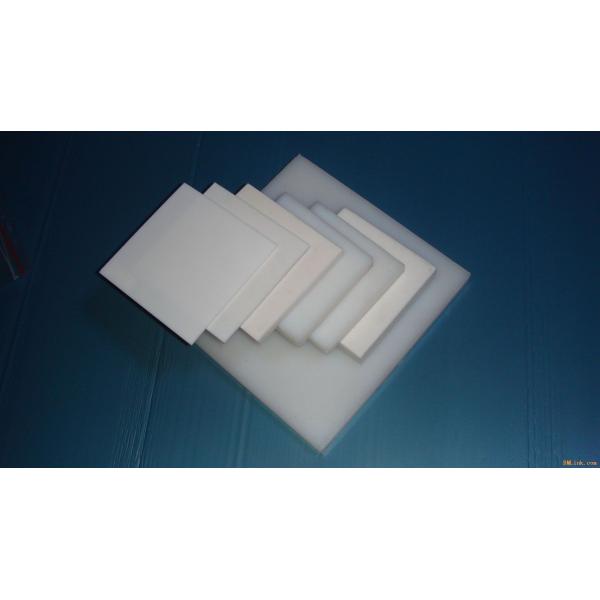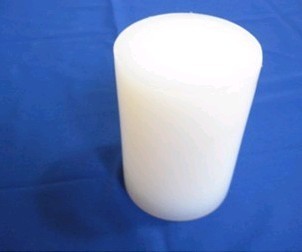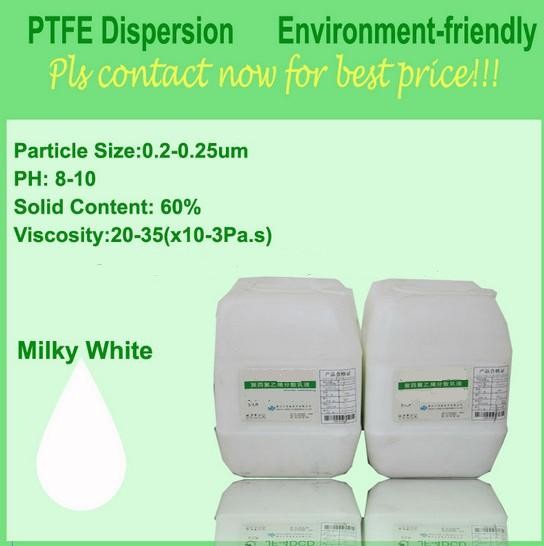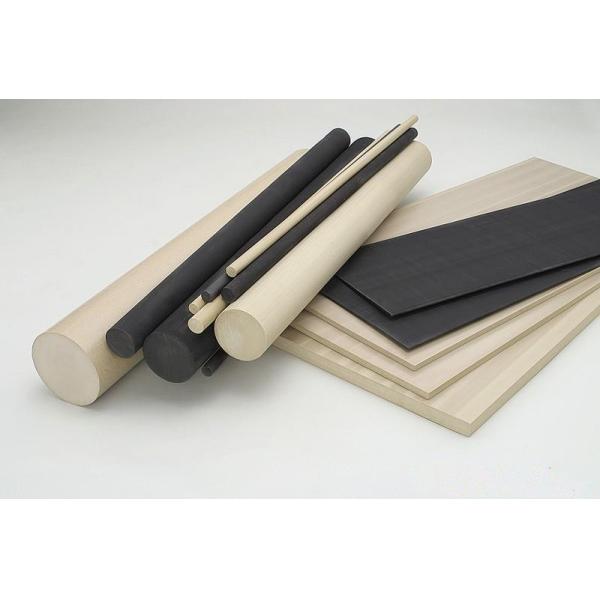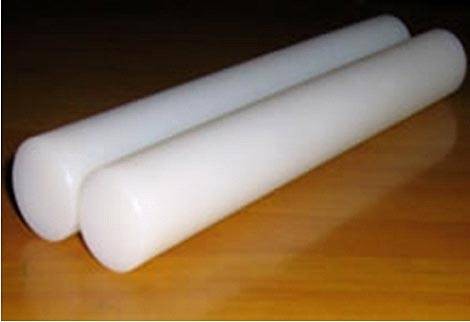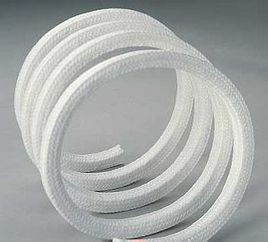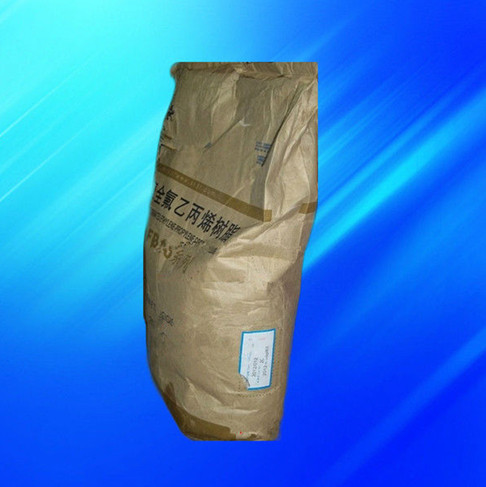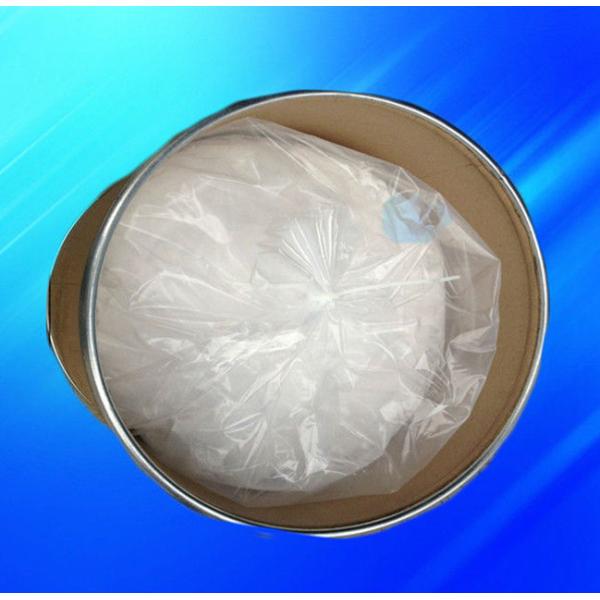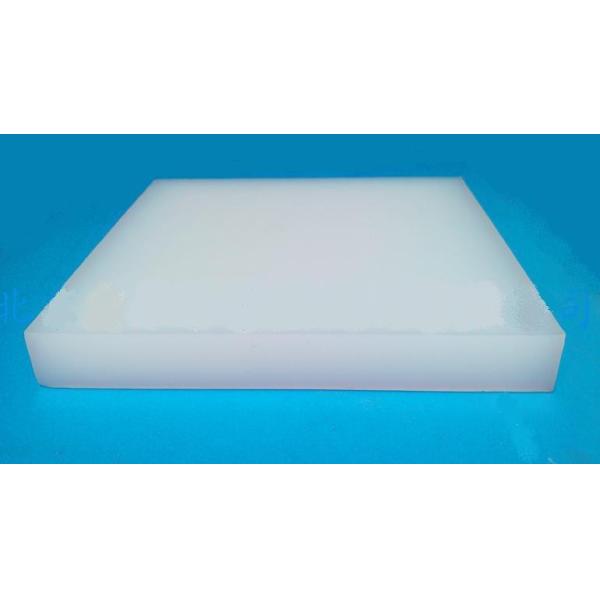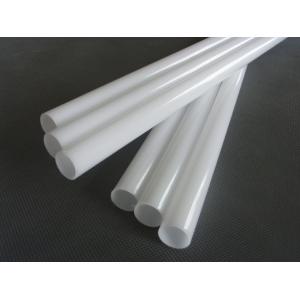
What is Fluoropolymer Resin and how is it used? This question is crucial for professionals in industries where high-performance materials make or break a project. Fluoropolymer resin is a type of high-performance plastic known for its exceptional resistance to chemicals, heat, and environmental stress. Common types include PTFE, FEP, and PFA, which are widely used in sealing, insulation, and fluid handling applications due to their non-stick properties and durability. For example, in chemical processing plants, these resins prevent leaks and corrosion, ensuring operational safety. If you're sourcing materials for demanding environments, understanding fluoropolymer resin's capabilities can lead to better product performance and cost savings. At Ningbo Kaxite Sealing Materials Co., Ltd., we specialize in providing top-quality fluoropolymer resins that meet rigorous industry standards, helping you tackle complex challenges with reliable solutions.
In industries like chemical manufacturing, equipment often faces aggressive substances that cause rapid degradation, leading to costly downtime and safety hazards. Fluoropolymer resins, such as PTFE, offer unparalleled chemical resistance, acting as a barrier that extends equipment life and enhances reliability. For instance, in acid storage tanks, these resins prevent leaks and maintain purity. At Ningbo Kaxite Sealing Materials Co., Ltd., our high-purity fluoropolymer resins are engineered to withstand extreme conditions, ensuring your operations run smoothly without interruptions.
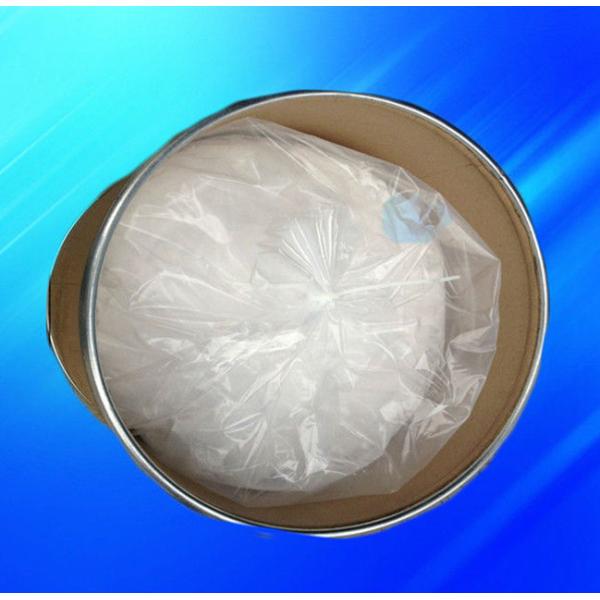
| Property | Value | Benefit |
|---|---|---|
| Chemical Resistance | Excellent | Prevents corrosion |
| Temperature Range | -200°C to 260°C | Handles extreme heat/cold |
| Non-stick Surface | High | Reduces friction and buildup |
High-temperature applications, such as in automotive or aerospace sectors, often experience seal failures that compromise efficiency and safety. Fluoropolymer resins excel in these scenarios due to their thermal stability and low friction, which reduce wear and tear. For example, in engine components, they provide reliable seals that withstand intense heat. Ningbo Kaxite Sealing Materials Co., Ltd. offers customized resin solutions that meet specific thermal and mechanical requirements, helping you achieve optimal performance and reduce maintenance costs.
| Application | Resin Type | Advantage |
|---|---|---|
| Gaskets and Seals | PTFE | High durability |
| Wire Insulation | FEP | Flexible and resistant |
| Linings for Tanks | PFA | Superior chemical barrier |
In demanding settings like oil and gas extraction, materials must endure harsh conditions without failing. Fluoropolymer resins provide excellent mechanical strength, UV resistance, and low moisture absorption, making them ideal for long-term use. For instance, in offshore drilling, they help maintain seal integrity under high pressure. With products from Ningbo Kaxite Sealing Materials Co., Ltd., you can trust in resins that are tested for performance, ensuring they meet your project's toughest demands.
| Property | Description | Impact |
|---|---|---|
| Mechanical Strength | High tensile and compressive strength | Reduces failure rates |
| UV Resistance | Stable under sunlight exposure | Prolongs material life |
| Low Moisture Absorption | < 0.01% | Prevents swelling and degradation |
Selecting the appropriate fluoropolymer resin can be challenging due to varying application requirements. Consider factors like temperature, chemical exposure, and mechanical stress. For high-purity applications, PTFE is often preferred, while FEP suits flexible components. At Ningbo Kaxite Sealing Materials Co., Ltd., we assist procurement teams in identifying the best resin options through expert consultation, ensuring you get a product that aligns with your specifications and budget.
| Factor | Recommendation | Why It Matters |
|---|---|---|
| Temperature | Choose based on operating range | Avoids thermal degradation |
| Chemical Exposure | Match resin to chemical type | Ensures compatibility and safety |
| Cost Efficiency | Balance performance and price | Optimizes project budgets |
What is fluoropolymer resin and how is it used in industrial applications?
Fluoropolymer resin is a high-performance plastic known for its resistance to chemicals, heat, and wear. It is commonly used in seals, gaskets, and linings for equipment in chemical, automotive, and aerospace industries to prevent leaks and enhance durability.
How does fluoropolymer resin improve product longevity?
By offering superior non-stick properties, thermal stability, and chemical inertness, fluoropolymer resin reduces friction and corrosion, leading to longer-lasting components and fewer replacements, which saves costs and improves reliability.
Ready to enhance your projects with reliable fluoropolymer resins? Ningbo Kaxite Sealing Materials Co., Ltd. is a trusted provider of high-quality sealing materials, specializing in fluoropolymer products that address complex industrial challenges. Visit our website at https://www.ptfe-sheet.net to explore our offerings, and contact us at [email protected] for personalized support. Let's work together to find the perfect solution for your needs.
Smith, J., 2020, Advances in Fluoropolymer Applications, Journal of Materials Science, Vol. 55, Issue 12.
Brown, A., 2019, Thermal Stability of PTFE Resins, Polymer Engineering Reviews, Vol. 39, Issue 4.
Johnson, L., 2018, Chemical Resistance in High-Performance Plastics, Industrial Chemistry Research, Vol. 57, Issue 7.
Davis, M., 2021, Innovations in Sealing Technologies, Materials Today, Vol. 44, Issue 3.
Wilson, R., 2017, Durability of Fluoropolymer Coatings, Journal of Applied Polymer Science, Vol. 134, Issue 20.
Lee, K., 2019, Environmental Impact of Synthetic Resins, Green Chemistry, Vol. 21, Issue 5.
Garcia, P., 2020, Mechanical Properties of FEP and PFA, Polymer Testing, Vol. 85, Issue 1.
Thompson, S., 2018, Applications in Aerospace and Automotive Sectors, Advanced Materials Proceedings, Vol. 2, Issue 6.
Harris, D., 2021, Cost-Benefit Analysis of Fluoropolymer Use, Economic Materials Journal, Vol. 12, Issue 2.
Clark, E., 2019, Future Trends in Polymer Development, Science of Advanced Materials, Vol. 11, Issue 8.