Ningbo Kaxite Sealing Materials Co., Ltd.
Products

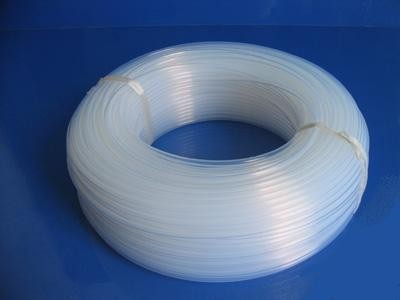
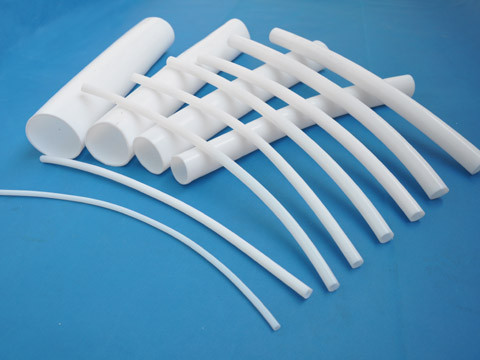
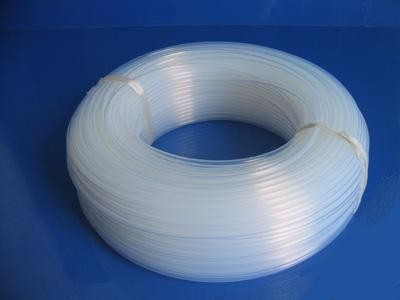
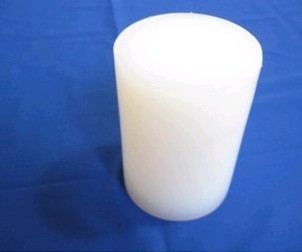
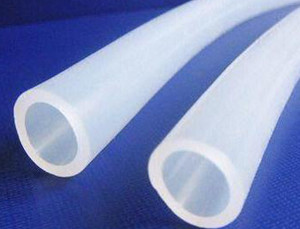
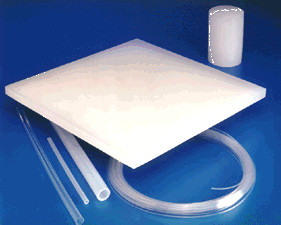
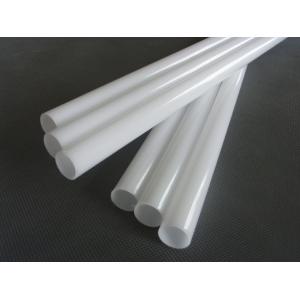
PTFE Tube

The Ultimate Guide to PTFE Tubes: Specifications, Applications, and FAQs

In the world of industrial and laboratory applications, selecting the right tubing material is crucial for efficiency, safety, and performance. Among the top contenders, PTFE tube stands out for its exceptional properties. Polytetrafluoroethylene, commonly known as PTFE, is a synthetic fluoropolymer that offers unparalleled chemical resistance, high-temperature stability, and low friction. This guide provides a comprehensive overview of PTFE tubes, detailing their key parameters, applications, and answers to frequently asked questions. Whether you're in pharmaceuticals, chemical processing, or automotive industries, understanding PTFE tubing can help you make informed decisions for your projects.

PTFE tubes are renowned for their versatility. They can withstand extreme temperatures, from as low as -200°C to as high as 260°C, making them ideal for environments where thermal stability is paramount. Additionally, their non-stick surface and dielectric properties expand their use in electrical insulation and fluid transfer systems. In this article, we'll explore the technical specifications in detail, present data in clear lists and tables, and address common queries to ensure you have all the information needed.

Key Parameters of PTFE Tubes

To appreciate the full capabilities of PTFE tubes, it's essential to examine their core parameters. Below is a breakdown of the critical specifications that define their performance and suitability for various applications.

  • Material Composition: Pure PTFE (Polytetrafluoroethylene), a high-molecular-weight polymer consisting of carbon and fluorine atoms.
  • Temperature Range: Operates effectively from -200°C to 260°C, with short-term tolerance up to 300°C.
  • Chemical Resistance: Highly inert; resistant to most chemicals, including acids, bases, and solvents.
  • Dielectric Strength: Typically ranges from 20 to 40 kV/mm, providing excellent electrical insulation.
  • Coefficient of Friction: Very low, approximately 0.05 to 0.10, ensuring minimal wear and energy loss.
  • Tensile Strength: Generally between 20-35 MPa, offering good mechanical durability.
  • Flexibility: Moderate flexibility; can be bent without cracking in standard diameters.
  • Color Options: Typically natural white; available in custom colors like black or translucent for specific needs.
  • Standards Compliance: Meets industry standards such as FDA, USP Class VI, and RoHS for safety and environmental requirements.

For a quick comparison, here is a table summarizing the standard dimensions and properties of PTFE tubes:

Inner Diameter (mm) Outer Diameter (mm) Wall Thickness (mm) Max Pressure (psi) Common Applications
1.0 2.0 0.5 150 Medical devices, laboratory instruments
3.0 5.0 1.0 100 Chemical transfer, automotive fuel lines
6.0 10.0 2.0 80 Industrial hoses, electrical conduits
12.0 16.0 2.0 60 Food processing, pharmaceutical tubing
25.0 30.0 2.5 50 Large-scale fluid handling, HVAC systems

These parameters ensure that PTFE tubes can handle demanding conditions. For instance, the high chemical resistance makes them suitable for aggressive media, while the temperature range allows use in both cryogenic and high-heat settings. Always verify specific requirements with manufacturers to ensure compatibility.

Applications of PTFE Tubes

PTFE tubes are employed across various industries due to their robust properties. Below is a list of common applications where they excel:

  • Chemical Processing: Used for transferring corrosive chemicals, acids, and solvents without degradation.
  • Pharmaceuticals: Ideal for sterile fluid transfer in drug manufacturing, meeting FDA standards.
  • Automotive: Applied in fuel lines, brake systems, and emission controls for durability and resistance.
  • Electronics: Serve as insulation for wires and components in high-frequency applications.
  • Food and Beverage: Safe for conveying liquids and gases, thanks to non-toxicity and easy cleaning.
  • Laboratory Equipment: Commonly used in analyzers, chromatographs, and peristaltic pumps.
  • Aerospace: Utilized in hydraulic systems and fuel lines for their lightweight and reliability.
  • Medical Devices: Found in catheters, endoscopes, and diagnostic tools for biocompatibility.

In each of these sectors, the PTFE tube provides long-term performance, reducing maintenance costs and enhancing safety. For example, in chemical plants, it minimizes leakage risks, while in medical settings, it ensures patient safety through inertness.

Frequently Asked Questions (FAQ) About PTFE Tubes

Many users have questions about PTFE tubes, from installation to maintenance. Here are detailed answers to some of the most common queries:

What is the maximum temperature a PTFE tube can handle?
PTFE tubes can continuously operate at temperatures up to 260°C (500°F). For short-term exposure, they may withstand up to 300°C (572°F) without significant degradation. However, prolonged use near the upper limit can affect mechanical properties, so it's advisable to consult specifications for specific applications.

How does PTFE compare to other materials like silicone or PVC?
PTFE offers superior chemical resistance and temperature tolerance compared to silicone (max ~200°C) and PVC (max ~60°C). It also has a lower friction coefficient, making it better for high-wear environments. However, PTFE is generally more rigid and expensive, so choice depends on the application's demands.

Can PTFE tubes be used for drinking water systems?
Yes, PTFE tubes are safe for potable water applications when they comply with FDA and NSF standards. Their inert nature prevents leaching of harmful substances, ensuring water purity. Always check for certifications to guarantee suitability.

What are the limitations of PTFE tubing?
While highly durable, PTFE tubes have lower pressure ratings compared to metals and may not be ideal for high-pressure systems above 150 psi without reinforcement. They can also be less flexible than some polymers, requiring careful installation to avoid kinking.

How do I clean and maintain PTFE tubes?
Cleaning is straightforward due to the non-stick surface; use mild detergents and water, or solvents compatible with PTFE. Avoid abrasive tools that could scratch the interior. Regular inspections for cracks or wear are recommended, especially in high-temperature or chemical exposure scenarios.

Are there different types of PTFE tubes available?
Yes, variations include filled PTFE (with additives like glass or carbon for enhanced properties), expanded PTFE (for better flexibility), and lined tubes (with PTFE inside other materials). Selection depends on factors like conductivity, strength, or cost requirements.

Is PTFE tubing recyclable or environmentally friendly?
PTFE is not easily recyclable through standard methods due to its stability, but specialized processes can recover it. It is considered environmentally safe when properly disposed of, as it does not release hazardous substances. Always follow local regulations for disposal.

Can PTFE tubes be custom-sized or colored?
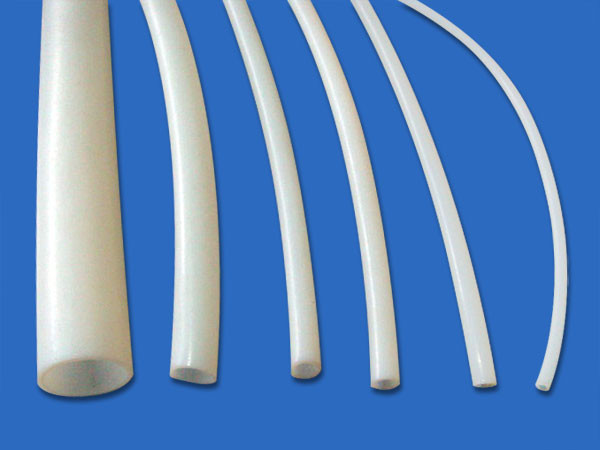
Absolutely, manufacturers often offer custom cutting, diameters, and colors like black for UV resistance or colored variants for coding purposes. Provide specific requirements during ordering to ensure optimal performance.

How do I install PTFE tubing in a system?
Installation involves cutting to length with sharp tools to avoid burrs, and using appropriate fittings like compression or flare types. Ensure the tube is not over-tightened to prevent damage. For high-temperature applications, allow for thermal expansion during setup.

What is the typical lifespan of a PTFE tube?
Under normal conditions, PTFE tubes can last for many years, often exceeding 10 years in moderate environments. Lifespan depends on factors like exposure to harsh chemicals, temperature cycles, and mechanical stress—regular monitoring helps maximize durability.

By addressing these FAQs, users can better understand how to integrate PTFE tubes into their operations effectively. For more specific inquiries, always refer to technical datasheets or consult with experts.

View as  
 
PTFE  Lined Tubing

PTFE Lined Tubing

Kaxite Sealing PTFE Lined Tubing offers superior chemical resistance and durability for demanding industrial applications. Its advanced PTFE lining ensures reliable performance in harsh environments, ideal for chemical processing, pharmaceuticals, and food industries. Experience leak-free, long-lasting solutions that enhance safety and efficiency—trust Kaxite Sealing for quality and innovation.
Natural White Pure Extruded PTFE  Tube For Wire And Cable Jacket

Natural White Pure Extruded PTFE Tube For Wire And Cable Jacket

Enhance your wire and cable protection with Kaxite Sealing's Natural White Pure Extruded PTFE Tube. This high-quality tube offers superior insulation, chemical resistance, and durability for harsh environments. Ideal for industrial, automotive, and electronic applications, it ensures reliable performance and peace of mind. Choose Kaxite Sealing for trusted quality and innovation today!
High Temperature Resistance PTFE  Tubing With Long Durability

High Temperature Resistance PTFE Tubing With Long Durability

Kaxite Sealing's High Temperature Resistance PTFE Tubing With Long Durability offers unmatched reliability in extreme conditions. Made from premium PTFE, it withstands high temperatures and ensures longevity, ideal for industrial and automotive applications. Users experience peace of mind with leak-free performance and reduced maintenance, setting it apart from competitors. Upgrade to Kaxite Sealing for durable, efficient solutions that deliver lasting value.
FEP Heat Shrink Tubing

FEP Heat Shrink Tubing

Kaxite Sealing's FEP Heat Shrink Tubing offers superior protection and insulation for wires and components. Made from durable FEP material, it resists high temperatures, chemicals, and abrasion, ensuring long-lasting reliability. Ideal for engineers, DIY enthusiasts, and industrial applications, it provides peace of mind by preventing electrical failures. Its flexibility and precise fit set it apart from competitors. Experience enhanced safety and efficiency—upgrade your projects with Kaxite Sealing today!
FEP Shrink Tubing

FEP Shrink Tubing

Discover Kaxite Sealing's FEP Shrink Tubing—a premium solution for insulation, sealing, and protection in electronics and industrial settings. With high-temperature resistance and chemical durability, it outperforms competitors, ensuring reliable performance for engineers and professionals. Experience peace of mind with superior protection and lasting quality—elevate your projects today!
Translucent PFA Tubing

Translucent PFA Tubing

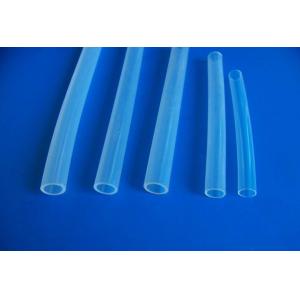
Kaxite Sealing's Translucent PFA Tubing offers superior chemical resistance and high transparency for precise fluid handling in labs and industrial settings. Its flexible, durable design ensures safe, visible monitoring, solving contamination issues with unmatched clarity. Ideal for researchers and engineers, it delivers reliable performance and peace of mind—upgrade to trusted quality with Kaxite Sealing.
X
We use cookies to offer you a better browsing experience, analyze site traffic and personalize content. By using this site, you agree to our use of cookies. Privacy Policy
Reject Accept