Ningbo Kaxite Sealing Materials Co., Ltd.
Products

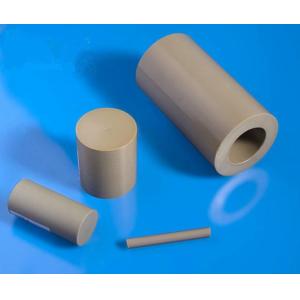
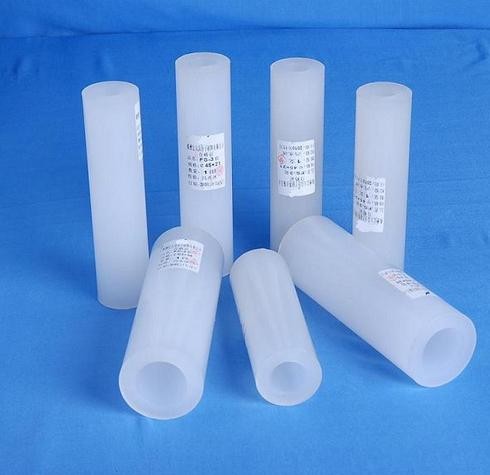
PTFE Rod

Understanding PTFE Rod: An Essential High-Performance Material

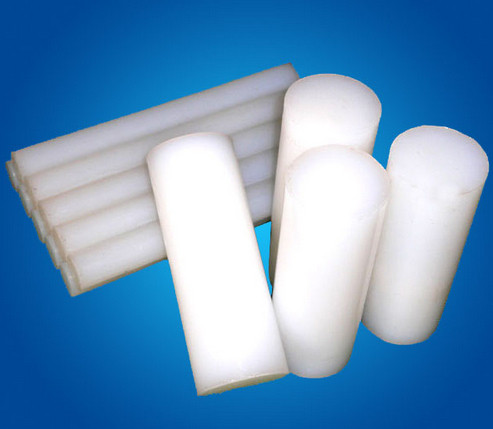
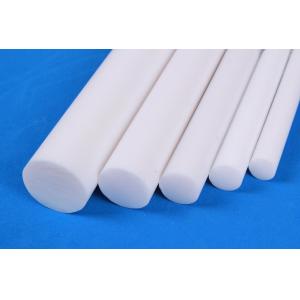
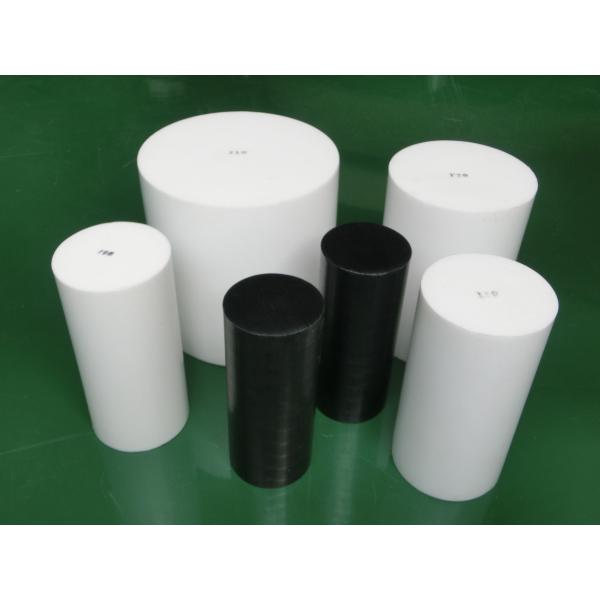
In the world of industrial plastics and advanced polymers, the PTFE rod stands out as a cornerstone material. Polytetrafluoroethylene, commonly known by its acronym PTFE, is a synthetic fluoropolymer renowned for its exceptional properties. A PTFE rod is a solid, cylindrical form of this polymer, extruded or molded to precise dimensions for use across countless applications. Its unique molecular structure, based on a strong carbon backbone surrounded by fluorine atoms, grants it a combination of characteristics that are difficult, if not impossible, to find in any other single material. This makes PTFE rods indispensable in demanding environments where failure is not an option.

The utility of a PTFE rod spans from simple bushings and spacers to critical components in the aerospace, pharmaceutical, and food processing industries. Its ability to perform under extreme temperatures, resist aggressive chemicals, and provide a near-frictionless surface makes it a first-choice material for engineers and designers. This guide provides a comprehensive, professional overview of PTFE rods, detailing their specifications, applications, and addressing common inquiries to inform your material selection process.

Key Properties and Advantages of PTFE Rods

The widespread adoption of PTFE rods is driven by a specific set of inherent advantages. These properties are not just incremental improvements but are often orders of magnitude better than many alternative materials.

  • Exceptional Chemical Resistance: PTFE is virtually inert, resisting attack by almost all known industrial chemicals, solvents, and acids, including aqua regia. This makes it ideal for seals and components in chemical processing equipment.
  • Wide Temperature Range: PTFE rods maintain their structural integrity and performance across a vast temperature spectrum, from as low as -268°C (-450°F) to as high as 260°C (500°F) continuously.
  • Low Coefficient of Friction: PTFE has the lowest coefficient of friction of any known solid material. This self-lubricating property eliminates the need for additional lubricants, making it perfect for bearings and sliding parts.
  • Excellent Dielectric Properties: It is an outstanding electrical insulator across a wide frequency range, even in harsh environmental conditions, making it suitable for high-frequency electronic components.
  • Non-Stick Surface: The non-stick characteristic, well-known from cookware, is equally valuable in industrial settings, preventing material buildup and ensuring easy cleaning.
  • High Purity and FDA Compliance: Virgin PTFE is biologically inert and compliant with FDA regulations, allowing its use in food, beverage, and pharmaceutical manufacturing.

Detailed Product Parameters and Specifications

To ensure proper integration into your designs, it is crucial to understand the standard specifications of PTFE rods. The following tables outline the key mechanical, thermal, and electrical properties, as well as standard available sizes.

Standard Mechanical and Physical Properties

Property Test Standard Typical Value
Density ASTM D792 2.15 - 2.20 g/cm³
Tensile Strength ASTM D638 25 MPa (3,600 psi)
Elongation at Break ASTM D638 300%
Compressive Strength ASTM D695 12 MPa (1,700 psi)
Hardness, Durometer ASTM D2240 D55

Thermal and Electrical Properties

Property Test Standard Typical Value
Continuous Service Temperature - -268°C to 260°C (-450°F to 500°F)
Melting Point - 327°C (621°F)
Coefficient of Friction (Dynamic) ASTM D1894 0.05 - 0.10
Dielectric Strength ASTM D149 20 kV/mm
Volume Resistivity ASTM D257 10^18 Ω·cm

Standard Stock Sizes for PTFE Rods

Diameter (Inches) Diameter (mm) Standard Length (Feet) Standard Length (Meters)
1/4" 6.35 3 ft 0.91 m
1/2" 12.7 3 ft 0.91 m
1" 25.4 3 ft 0.91 m
2" 50.8 2 ft 0.61 m
4" 101.6 1 ft 0.30 m
6" 152.4 1 ft 0.30 m

*Note: Custom diameters and lengths can be manufactured to meet specific project requirements.

Common Applications of PTFE Rods

  • Seals and Gaskets: Used in chemical pumps, valves, and flanges due to superb chemical resistance and stability.
  • Bearings and Bushings: Ideal for applications where lubrication is undesirable or impossible, thanks to the low coefficient of friction.
  • Electrical Insulators: Employed as standoffs, coil bobbins, and terminal blocks in high-voltage and high-frequency electronics.
  • Laboratory Equipment: Used for stirrer paddles, stopcocks, and surfaces that require easy cleaning and chemical inertness.
  • Food and Pharmaceutical Manufacturing: Components like guide rails, wear plates, and scraper blades where hygiene and non-contamination are critical.
  • Aerospace: Components in fuel systems, oxygen systems, and airframes where extreme temperatures and reliability are paramount.

FAQs: Frequently Asked Questions About PTFE Rods

What is the maximum continuous operating temperature for a PTFE rod?
The maximum continuous operating temperature for a virgin PTFE rod is 260°C (500°F). It can withstand short-term exposures to even higher temperatures, but prolonged exposure above this threshold will lead to thermal degradation and a gradual loss of mechanical properties. At the other extreme, it remains flexible and functional down to cryogenic temperatures of -268°C (-450°F).

Can PTFE rods be easily machined?
Yes, PTFE rods are renowned for their excellent machinability. They can be turned, milled, drilled, and tapped using standard metalworking equipment. However, due to its softness and high ductility, specific techniques are recommended. Using sharp, highly polished tools with generous clearance angles and higher cutting speeds helps achieve a smooth surface finish. Proper fixturing is also crucial to prevent deformation during the machining process.

How does the chemical resistance of PTFE compare to other plastics?
PTFE offers arguably the broadest chemical resistance of any plastic material. It is completely resistant to virtually all solvents, acids, bases, and other aggressive chemicals. The only known substances that can affect it are molten alkali metals and certain fluorine-based compounds at high temperatures and pressures. This level of resistance far exceeds that of other high-performance plastics like PEEK or PVDF in most chemical environments.

Is PTFE suitable for use in food contact applications?
Yes, virgin, unpigmented PTFE is FDA compliant and is approved for repeated food contact under Title 21 of the Code of Federal Regulations. Its inert nature ensures it does not contaminate food products or alter their taste or odor, making it ideal for components in food processing machinery, baking surfaces, and conveyor systems.

What are the limitations or weaknesses of PTFE rods?
While PTFE has numerous strengths, it has some notable limitations. Its primary weaknesses are a relatively low mechanical strength and stiffness compared to metals or filled polymers, and it is susceptible to creep (cold flow) under sustained loads. It also has a high coefficient of thermal expansion and relatively poor thermal conductivity. For applications requiring higher strength, rigidity, or wear resistance, filled PTFE compounds (e.g., with glass, carbon, or bronze) are often recommended.

What is the difference between skived and extruded PTFE rods?
Extruded rods are formed by forcing PTFE paste through a die, resulting in a uniform, homogenous structure with good dimensional consistency. Skived rods are produced by skiving (peeling) a thin, continuous film from a large, sintered billet. Extruded rods are generally more cost-effective for standard sizes and possess slightly better mechanical properties in the longitudinal direction. Skived rods can be produced in very large diameters and are often used where a specific grain direction is beneficial.

How should PTFE rods be stored and handled?
PTFE rods should be stored in a cool, dry, and dark place away from direct sunlight and heat sources. While they are chemically resistant, it is good practice to keep them away from strong oxidizing agents. They are not particularly fragile but should be handled to avoid deep scratches or nicks that could act as stress concentration points. No special safety equipment is needed for handling, as virgin PTFE is biologically inert.

View as  
 
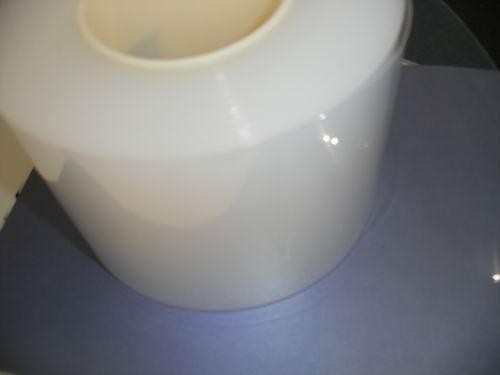
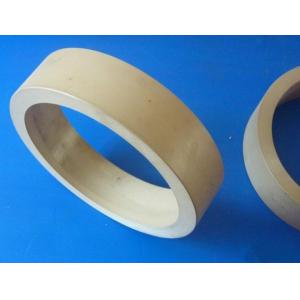
Bronze Fiber PTFE  Rod Glass Carbon Graphite / Beads Filled

Bronze Fiber PTFE Rod Glass Carbon Graphite / Beads Filled

Kaxite Sealing's Bronze Fiber PTFE Rod with Glass, Carbon Graphite, and Beads Fillers offers superior durability and corrosion resistance for demanding industrial sealing applications. Ideal for engineers and manufacturers, it reduces maintenance costs and downtime, providing reliable performance in harsh environments. Choose Kaxite for unmatched quality and efficiency—upgrade your sealing solutions today!
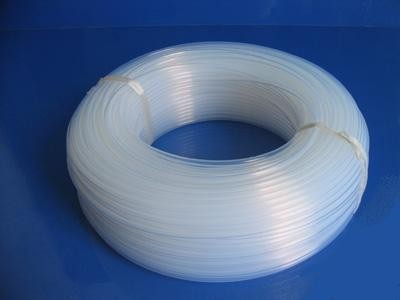
Non Firing PTFE  Rod For Insulator Tubing , 260% Elongation Rate

Non Firing PTFE Rod For Insulator Tubing , 260% Elongation Rate

Kaxite Sealing's Non Firing PTFE Rod for insulator tubing delivers an exceptional 260% elongation rate, ensuring superior flexibility and durability in demanding electrical applications. Ideal for engineers and industrial users, it solves insulation challenges with unmatched reliability, outperforming standard rods through advanced PTFE technology. Experience peace of mind with enhanced performance and long-lasting solutions.
2.10g/cm³ PVDF Rod With High Thermal Stability For Kitchen , 140% Elongation

2.10g/cm³ PVDF Rod With High Thermal Stability For Kitchen , 140% Elongation

Elevate your kitchen with Kaxite Sealing's 2.10g/cm³ PVDF Rod, offering high thermal stability and 140% elongation for durable, flexible seals. Ideal for home cooks and DIY enthusiasts, it ensures leak-free appliances and long-lasting performance, solving common wear issues. Its superior material sets it apart from standard rods, delivering reliable results and peace of mind in every use.
Extruded Polytetrafluoroethylene Rod For Mechanical , High Temperature Resistance

Extruded Polytetrafluoroethylene Rod For Mechanical , High Temperature Resistance

Discover Kaxite Sealing's extruded polytetrafluoroethylene rod, engineered for mechanical applications with exceptional high-temperature resistance. This durable PTFE rod offers superior performance in harsh environments, ideal for industrial engineers and manufacturers. Experience reliability and efficiency, solving critical sealing and insulation challenges with a product that stands out for its precision and longevity.
Thermoplastic Poly Ether Ether Ketone Rods Exceptional Flame Resistance

Thermoplastic Poly Ether Ether Ketone Rods Exceptional Flame Resistance

Kaxite Sealing Thermoplastic Poly Ether Ether Ketone Rods offer exceptional flame resistance, ideal for industrial applications requiring high-performance materials. With superior durability and heat tolerance, they ensure safety in demanding environments like aerospace and automotive. Users gain peace of mind, knowing these rods solve fire risk issues effectively. Outperform competitors with unmatched reliability. Trust Kaxite Sealing for quality assurance and dependable solutions.
Molded PTFE  Rod / PTFE Rod For Bonding , 100mm - 3000mm

Molded PTFE Rod / PTFE Rod For Bonding , 100mm - 3000mm

Discover Kaxite Sealing's Molded PTFE Rod for Bonding, available in lengths from 100mm to 3000mm. Crafted from high-purity PTFE, this rod offers exceptional chemical resistance, low friction, and durability for sealing and bonding applications in industries like automotive and aerospace. Perfect for engineers and manufacturers, it ensures reliable performance in harsh environments, solving leaks and wear issues with ease. Unlike standard rods, its molded design provides superior strength and precision. For a premium sealing solution, trust Kaxite Sealing to deliver excellence and peace of mind.
X
We use cookies to offer you a better browsing experience, analyze site traffic and personalize content. By using this site, you agree to our use of cookies. Privacy Policy
Reject Accept