Ningbo Kaxite Sealing Materials Co., Ltd.
Products

Fluoropolymer Resin

Fluoropolymer Resin: An In-Depth Technical Overview Fluoropolymer resins represent a class of high-performance polymers characterized by the strong carbon-fluorine bonds in their molecular structure. This unique bond imparts an exceptional combination of properties, making them indispensable in demanding industrial, chemical, electronic, and medical applications. They are renowned for their outstanding chemical resistance, thermal stability, low coefficient of friction, and excellent dielectric properties. This article provides a comprehensive technical breakdown of fluoropolymer resins, detailing their key parameters and addressing common industry inquiries. Understanding the material properties is fundamental for proper material selection and application design. The primary attributes of fluoropolymer resins are detailed below. * **Exceptional Chemical Resistance:** Fluoropolymer resins are virtually inert to a vast range of aggressive chemicals, including strong acids, bases, solvents, and halogens. This makes them ideal for lining chemical processing equipment, labware, and semiconductor manufacturing tools. * **Outstanding Thermal Stability:** These materials can operate continuously at high temperatures, often exceeding 260°C (500°F), without significant degradation. They also possess excellent low-temperature toughness, maintaining flexibility down to cryogenic temperatures. * **Superior Electrical Properties:** They are excellent electrical insulators with a very high dielectric strength and a low dielectric constant, which is stable over a wide frequency and temperature range. This is critical for wire and cable insulation, semiconductor components, and high-frequency circuit boards. * **Low Coefficient of Friction:** Fluoropolymer resins have one of the lowest coefficients of friction of any solid material, providing non-stick and self-lubricating characteristics. This is essential for bearings, seals, and non-stick coatings. * **Excellent Weatherability and UV Resistance:** They are highly resistant to degradation from sunlight, moisture, and ozone, ensuring long-term performance in outdoor applications. * **Non-Adhesive Surface:** Their non-stick nature prevents other materials from adhering, which is the principle behind their use in cookware and industrial release applications. The family of fluoropolymer resins includes several distinct types, each with a unique balance of properties tailored for specific applications. The most common commercial types are: * **PTFE (Polytetrafluoroethylene):** Known for the highest chemical resistance and thermal stability (up to 260°C). It has a very high melt viscosity and must be processed by sintering or compression molding. * **FEP (Fluorinated Ethylene Propylene):** Similar to PTFE but with a true melt processability, allowing it to be injection molded and extruded. It has a slightly lower maximum service temperature (up to 205°C). * **PFA (Perfluoroalkoxy):** Combines the high-temperature performance of PTFE with the melt processability of FEP. It offers superior stress crack resistance and high purity. * **ETFE (Ethylene Tetrafluoroethylene):** A tough, high-strength copolymer with excellent impact and abrasion resistance. It can be processed by conventional melt techniques. * **PVDF (Polyvinylidene Fluoride):** Possesses excellent mechanical strength and toughness, along with good resistance to UV radiation and weathering. It also exhibits piezoelectric properties. **Detailed Product Parameter Tables** For engineers and procurement specialists, precise technical data is paramount. The following tables provide a comparative overview of key material properties for the major fluoropolymer resin types. **Table 1: Mechanical and Thermal Properties** | Property | Test Standard | PTFE | FEP | PFA | ETFE | PVDF | | :--- | :--- | :--- | :--- | :--- | :--- | :--- | | **Tensile Strength (MPa)** | ASTM D638 | 20-35 | 20-25 | 28-31 | 40-50 | 40-55 | | **Elongation at Break (%)** | ASTM D638 | 200-400 | 250-330 | 300-330 | 150-300 | 20-100 | | **Flexural Modulus (MPa)** | ASTM D790 | 500-600 | 650-700 | 650-750 | 1400-1800 | 2000-2500 | | **Impact Strength, Izod (J/m)** | ASTM D256 | 160 | No Break | No Break | No Break | 200-400 | | **Continuous Service Temp. (°C)** | - | -200 to +260 | -200 to +205 | -200 to +260 | -100 to +150 | -40 to +150 | | **Melting Point (°C)** | ASTM D3418 | 327 | 260-280 | 305-310 | 270 | 170-180 | **Table 2: Electrical and Chemical Properties** | Property | Test Standard | PTFE | FEP | PFA | ETFE | PVDF | | :--- | :--- | :--- | :--- | :--- | :--- | :--- | | **Dielectric Constant (@ 1 MHz)** | ASTM D150 | 2.1 | 2.1 | 2.1 | 2.6 | 8-9 | | **Dissipation Factor (@ 1 MHz)** | ASTM D150 | <0.0002 | <0.0002 | <0.0002 | 0.0008 | 0.02-0.03 | | **Dielectric Strength (kV/mm)** | ASTM D149 | 20-25 | 20-25 | 20-25 | 16-20 | 10-12 | | **Volume Resistivity (Ω·cm)** | ASTM D257 | >10^18 | >10^18 | >10^18 | >10^16 | >10^14 | | **Chemical Resistance** | - | Excellent | Excellent | Excellent | Very Good | Good to Very Good | | **Water Absorption (%)** | ASTM D570 | <0.01 | <0.01 | <0.03 | <0.03 | 0.04-0.06 | **Processing and Fabrication Methods** The processability of fluoropolymer resins varies significantly by type. PTFE, due to its very high melt viscosity, is processed using powder metallurgy techniques like compression molding followed by sintering. Other melt-processable grades like FEP, PFA, ETFE, and PVDF can be formed using standard thermoplastic processing methods. * **Extrusion:** Used for producing wire and cable insulation, tubes, pipes, rods, and profiles. * **Injection Molding:** Suitable for manufacturing complex and high-volume parts like valve components, connectors, and lab equipment. * **Compression Molding:** Primarily for PTFE to create sheets, blocks, and basic shapes. * **Dispersion Coating:** Applying a water-based dispersion of fluoropolymer to substrates like metal or fabric, followed by baking to form a continuous, non-stick coating. **Fluoropolymer Resin: Frequently Asked Questions (FAQ)** What are the primary advantages of using fluoropolymer resins over other plastics? The primary advantages are unmatched chemical inertness, the ability to function across an extreme temperature range from cryogenic to over 260°C, excellent electrical insulation properties, a very low coefficient of friction, and non-stick characteristics. No other polymer family offers this specific combination of high-performance properties. What is the main difference between PTFE, FEP, and PFA? PTFE has the highest temperature and chemical resistance but is not melt-processable, requiring sintering. FEP is melt-processable but has a lower maximum service temperature than PTFE. PFA offers a similar high-temperature performance to PTFE while also being melt-processable, making it suitable for more complex parts that require extreme purity and performance. Are fluoropolymer resins safe for food contact and medical applications? Yes, many grades of fluoropolymer resins, particularly PTFE, FEP, and PFA, are compliant with FDA (U.S. Food and Drug Administration) regulations for repeated food contact. For medical applications, high-purity grades that meet USP Class VI and ISO 10993 standards are available, making them suitable for implants, surgical instruments, and drug processing equipment. What are the limitations or weaknesses of fluoropolymer resins? The main limitations include relatively low mechanical strength and stiffness compared to engineering thermoplastics like PEEK or nylon, a tendency to creep or cold-flow under sustained load (especially PTFE), and a high material cost. They can also be challenging to bond without specialized surface treatment. How does temperature affect the mechanical properties of fluoropolymer resins? At elevated temperatures approaching their maximum service limit, fluoropolymer resins will experience a significant reduction in tensile strength and modulus, and an increase in elongation and creep. At cryogenic temperatures, they generally retain their flexibility and toughness, unlike many other plastics which become brittle. Can fluoropolymer resins be colored? Yes, while they are naturally translucent or white, fluoropolymer resins can be compounded with heat-stable, compatible pigments to produce a wide range of colors. This is common for coding wires and cables or for aesthetic purposes in consumer and industrial products. What industries are the largest consumers of fluoropolymer resins? The key industries are chemical processing (for linings, gaskets, seals), electrical and electronics (for wire insulation, semiconductor components), automotive and aerospace (for fuel and fluid handling systems, wire harnesses), industrial (for non-stick coatings, bearings), and medical (for catheters, tubing, implants). How should parts made from fluoropolymer resins be cleaned? For general cleaning, a mild soap and water solution is usually sufficient. For more rigorous cleaning to remove organic contaminants, solvents like isopropyl alcohol can be used. Abrasive cleaners should be avoided as they can scratch the surface and compromise the non-stick properties. What are the key considerations for designing a part with a fluoropolymer resin? Designers must account for the material's high thermal expansion coefficient, its relatively low strength and stiffness, and its propensity for creep. Sharp corners should be avoided to reduce stress concentration. For PTFE, wall thickness uniformity is critical to ensure proper sintering. Consultation with a material supplier during the design phase is highly recommended. Are there any environmental or regulatory concerns associated with fluoropolymers? The fully polymerized forms of PTFE, FEP, PFA, and other fluoropolymers are considered biologically inert and stable. The environmental and regulatory focus is primarily on the processing aids, such as certain fluorosurfactants (like PFOA and PFOS), used in their manufacture. The industry has largely phased out these substances, and modern production uses alternative, safer chemistries. Always consult the supplier's regulatory data sheets for specific substance information.
View as  
 
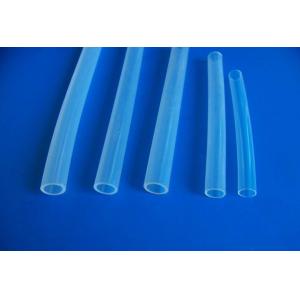
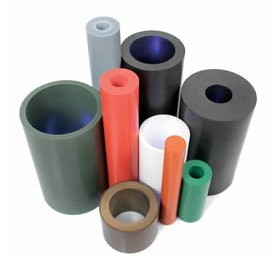
High Tensile Strength Fluoropolymer Resin PTFE Resin For Make Extruded Tube

High Tensile Strength Fluoropolymer Resin PTFE Resin For Make Extruded Tube

Discover Kaxite Sealing's High Tensile Strength Fluoropolymer Resin PTFE Resin for making extruded tubes—perfect for durable, high-performance applications. With superior material strength and chemical resistance, it outperforms competitors, ensuring reliability in industrial settings. Engineers and manufacturers will appreciate its long-lasting quality, solving wear and tear issues. Experience confidence and efficiency with this innovative resin.
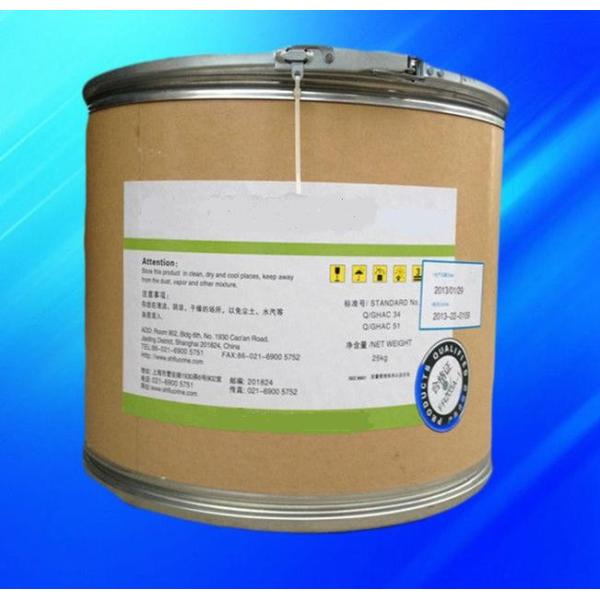
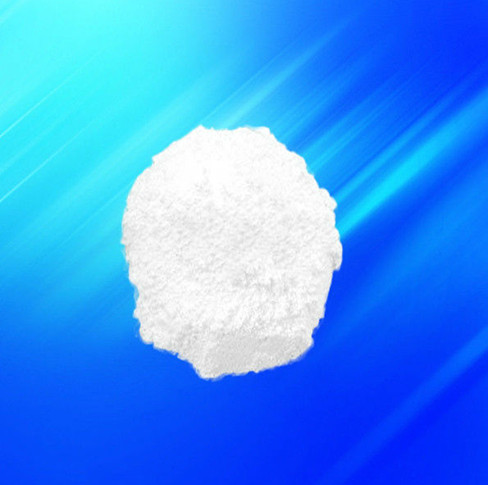
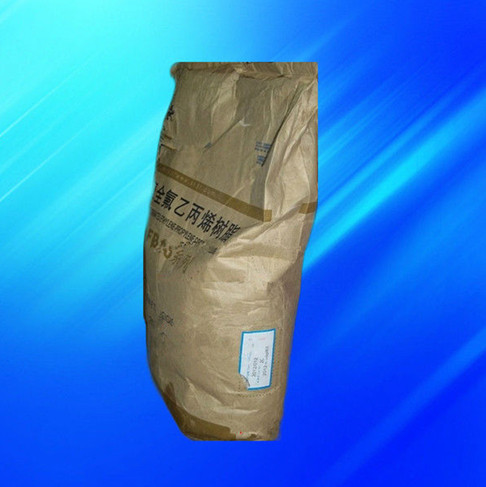
37.5Mpa Fluoropolymer Resin / White Loose Powder For Extruded Plate

37.5Mpa Fluoropolymer Resin / White Loose Powder For Extruded Plate

Kaxite Sealing's 37.5Mpa Fluoropolymer Resin in white loose powder form excels in producing high-strength extruded plates for industrial applications. With superior durability and chemical resistance, it ensures long-lasting performance in harsh environments like chemical processing and construction. Ideal for engineers and manufacturers seeking reliable material solutions, this resin delivers peace of mind by minimizing maintenance and downtime. Outshining competitors with its robust pressure rating and purity, it guarantees quality and efficiency. Trust Kaxite Sealing for innovative sealing solutions that drive success.
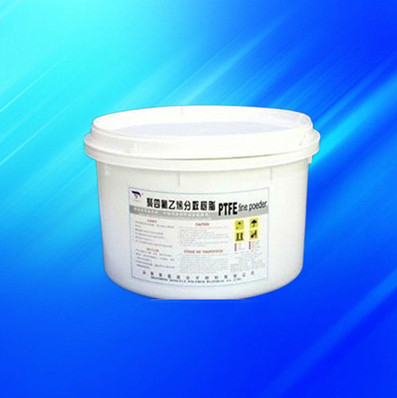
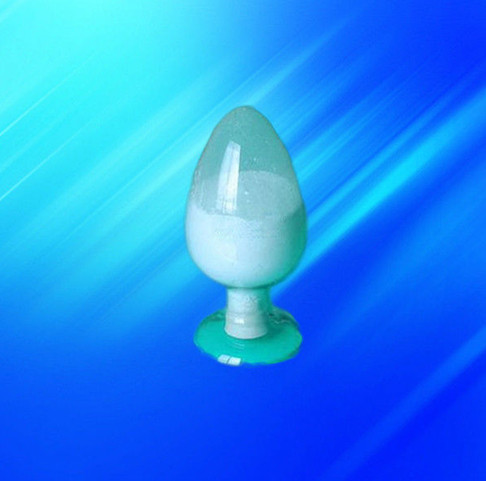
35Mpa Fluoropolymer Resin , PTFE  Powder / Suspension Molding Powder With High Purity

35Mpa Fluoropolymer Resin , PTFE Powder / Suspension Molding Powder With High Purity

Discover Kaxite Sealing's 35MPa Fluoropolymer Resin, PTFE Powder/Suspension Molding Powder with high purity. Ideal for demanding industrial applications, this product offers superior chemical resistance, durability, and easy molding. It's perfect for engineers and manufacturers in sectors like aerospace and automotive, solving critical sealing and insulation challenges with unmatched reliability. Experience enhanced performance and efficiency—trust Kaxite Sealing for quality that stands out.
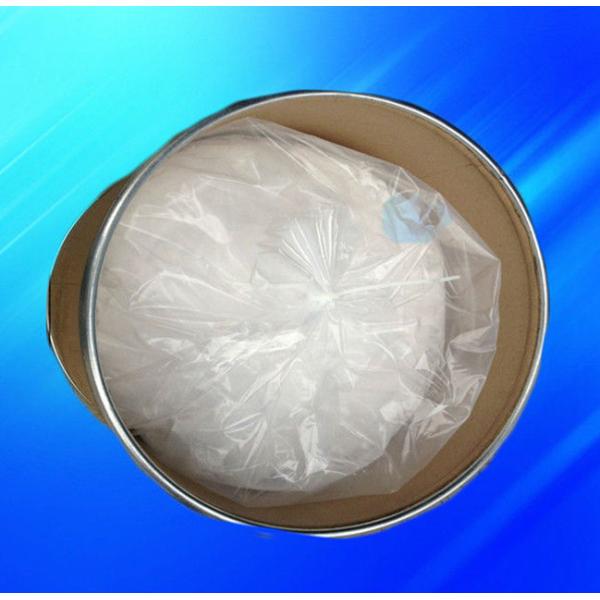
500 - 800g/l Fluoropolymer Resin / PTFE  Resin For Making Extruded Rod

500 - 800g/l Fluoropolymer Resin / PTFE Resin For Making Extruded Rod

Kaxite Sealing presents high-density 500-800g/l Fluoropolymer Resin, ideal for crafting durable extruded rods with superior chemical resistance and low friction. Perfect for industrial applications, this PTFE resin ensures reliable performance in harsh environments, reducing maintenance needs. Choose Kaxite for precision and longevity in your projects.
Color Powder PTFE  Powder Resin , Fluoropolymer Resin For Extruded Rod

Color Powder PTFE Powder Resin , Fluoropolymer Resin For Extruded Rod

Kaxite Sealing's Color Powder PTFE Powder Resin is a high-performance fluoropolymer resin ideal for extruded rods, offering superior durability, chemical resistance, and vibrant color options. Perfect for industrial applications, it ensures reliable sealing and smooth operation, solving common wear and leakage issues. Unlike standard resins, it provides enhanced long-term stability and easy processing. Experience unmatched quality and efficiency with Kaxite Sealing.
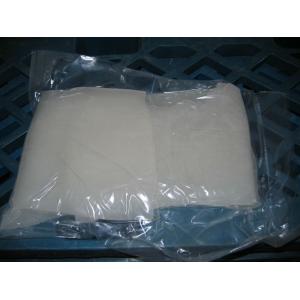
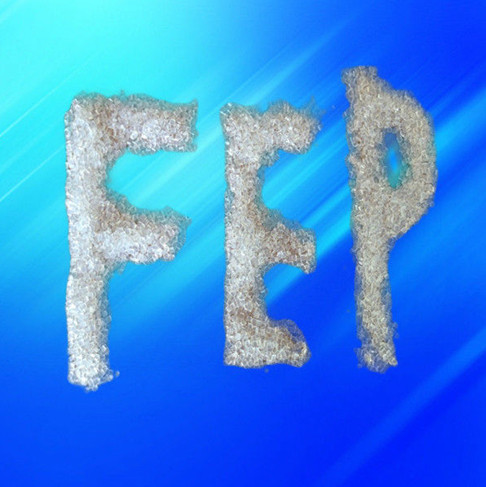
Semitransparent Pellet Fluoropolymer Resin / FEP Resin Molding Grade For Chemical Industry

Semitransparent Pellet Fluoropolymer Resin / FEP Resin Molding Grade For Chemical Industry

Kaxite Sealing's semitransparent pellet fluoropolymer resin (FEP molding grade) offers superior chemical resistance and thermal stability for demanding industrial applications. Ideal for chemical processing, it ensures reliable performance, durability, and enhanced safety. Innovate with confidence and elevate your projects with this high-quality, transparent solution.
X
We use cookies to offer you a better browsing experience, analyze site traffic and personalize content. By using this site, you agree to our use of cookies. Privacy Policy
Reject Accept