Ningbo Kaxite Sealing Materials Co., Ltd.
Products

Gland Packing

What is Gland Packing?

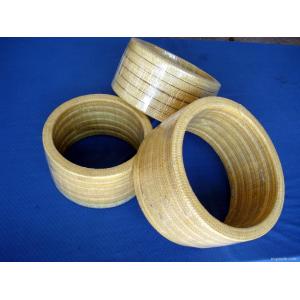
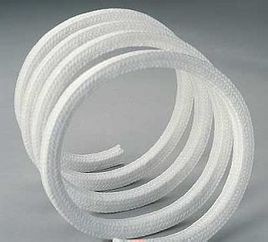
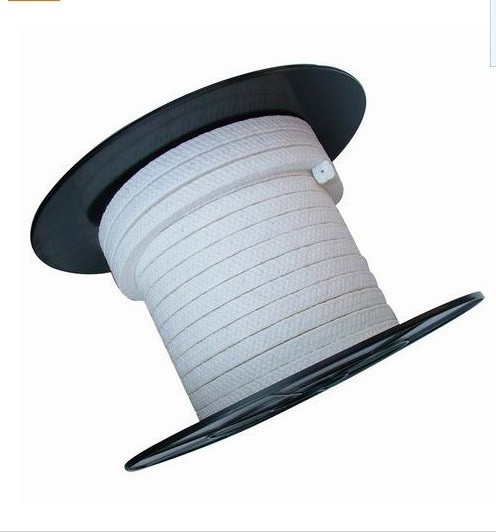
Gland packing, also known as valve stem packing or pump packing, is a critical sealing component used extensively in industrial applications to prevent the leakage of fluids—such as water, oil, gas, and chemicals—from pumps, valves, mixers, and other rotating or reciprocating equipment. It consists of braided or twisted fibrous materials, often impregnated with lubricants and sealing agents, which are compressed within a stuffing box or gland follower to create a robust, adjustable seal around a moving shaft or stem. The primary purpose of gland packing is to provide reliable containment and control of process media while ensuring operational safety and environmental compliance.

Key Applications of Gland Packing

Gland packing is a versatile sealing solution used across numerous industries to handle demanding conditions. Its adaptability makes it suitable for various equipment types and media.

  • Centrifugal and Reciprocating Pumps: Seals shafts to prevent fluid leakage in water treatment, chemical processing, and oil & gas transfer applications.
  • Valves (Gate, Globe, Control): Provides a tight seal around valve stems in steam, water, and chemical service to maintain system integrity.
  • Mixers and Agitators: Used in reactors and tanks to seal rotating shafts exposed to abrasive or corrosive slurries and mixtures.
  • Marine & Shipbuilding: Applied in propeller shafts, rudder stocks, and deck machinery to prevent seawater ingress and lubricant leakage.
  • Power Generation: Seals boiler feed pumps, turbines, and auxiliary equipment in nuclear, fossil fuel, and hydroelectric plants.
  • Mining & Mineral Processing: Handles abrasive slurries and tailings in pumps and processing equipment under high solids content conditions.
  • Pulp & Paper Industry: Seals equipment processing caustic chemicals, bleaches, and fibrous pulp suspensions.

Detailed Product Parameters for Industrial Gland Packing

Our gland packing products are engineered to meet rigorous performance standards. Below is a detailed breakdown of material specifications, available sizes, and operational parameters.

Material Composition & Properties

Material Type Base Fiber Impregnation/Lubricant Temperature Range pH Range Max Pressure (psi) Primary Applications
Braided Aramid Fiber Aramid (Kevlar® type) PTFE, Graphite -100°F to 500°F (-73°C to 260°C) 2 - 12 2,500 Hot water, steam, chemicals, hydrocarbons
Expanded Graphite Packing Pure Exfoliated Graphite Corrosion Inhibitors -400°F to 1200°F (-240°C to 650°C) 0 - 14 2,200 Extreme temperatures, acids, alkalis, solvents
PTFE Impregnated Fiberglass E-Glass Filament PTFE Dispersion -100°F to 500°F (-73°C to 260°C) 0 - 14 1,800 Strong acids, caustics, FDA applications
Carbon Fiber Packing PAN-based Carbon Fiber PTFE, Graphite -100°F to 600°F (-73°C to 316°C) 1 - 13 3,000 High-speed pumps, aggressive chemicals
Flax & Ramie Packing Natural Plant Fibers Tallows, Soaps, PTFE Up to 250°F (121°C) 5 - 10 1,200 Cold water, general service, low-cost applications
Acrylic Fiber Packing Acrylic Yarn PTFE, Inorganic Lubricants -40°F to 300°F (-40°C to 149°C) 2 - 12 1,500 Mild chemicals, hot oils, paper stock

Standard Sizing & Dimensions

Cross-Sectional Shape Available Sizes (Inches) Available Sizes (Millimeters) Standard Spool Length (Feet) Standard Spool Length (Meters)
Square 1/4", 3/8", 1/2", 5/8", 3/4", 1" 6mm, 10mm, 12mm, 16mm, 19mm, 25mm 50 ft, 100 ft 15 m, 30 m
Round 3/16", 1/4", 5/16", 3/8", 1/2" 5mm, 6mm, 8mm, 10mm, 12mm 50 ft, 100 ft 15 m, 30 m
Twisted 1/4", 3/8", 1/2" 6mm, 10mm, 12mm 50 ft 15 m

Key Performance Characteristics

  • Shaft Speed (PV Value): Up to 300,000 psi-fpm (for carbon fiber grades). Standard grades suitable for 150,000 - 200,000 psi-fpm.
  • Thermal Conductivity: Graphite-based packings offer superior heat dissipation (>50 W/mK), reducing heat buildup on the shaft.
  • Chemical Compatibility: Resistant to a wide range of media including dilute and concentrated acids, alkalis, solvents, oils, and gases. Specific compatibility charts are available for each material type.
  • Coefficient of Friction: Low-friction impregnations (PTFE, graphite) reduce breakout and running torque, lowering power consumption.
  • Density & Compression Recovery: High-density braiding ensures minimal relaxation and maintains seal load under cyclic conditions.

Frequently Asked Questions (FAQ) About Gland Packing

How do I select the right gland packing for my application?

Selection depends on several critical factors: the fluid or gas being sealed (its chemical properties, abrasiveness, and presence of solids), operating temperature and pressure, shaft surface speed (PV value), and equipment type (pump, valve, mixer). For example, expanded graphite is ideal for extreme temperatures and aggressive chemicals, while PTFE-impregnated fiberglass is excellent for strong acids and caustics. Always consult the manufacturer's chemical compatibility guide and application engineering data. Consider startup conditions, potential for dry running, and regulatory requirements (e.g., FDA, USDA) if applicable.

What is the correct procedure for installing gland packing?

Proper installation is crucial for performance and longevity. First, clean the stuffing box thoroughly, removing all old packing and debris. Inspect the shaft or stem for wear, scoring, or corrosion; repair or replace if necessary. Select packing rings of the correct size and material. Cut the rings on a clean, angled bias, ensuring the cut is square and the ring fits snugly around the shaft without gap. Stagger the joints of each ring by 90 degrees during installation. Use a split bushing or proper tool to seat each ring firmly, avoiding excessive force that could damage the fibers. Install the recommended number of rings, leaving slight clearance for the gland follower. After installation, tighten the gland nuts finger-tight, then gradually tighten in small increments (typically 1/6th of a turn) during equipment run-in until leakage is reduced to a slight drip for lubrication and cooling.

Why is a slight leakage often recommended for gland packing?

A controlled, slight leakage (usually 1 to 60 drops per minute, depending on the fluid and service) is often necessary to lubricate and cool the packing set. The leaking fluid forms a thin film between the packing and the moving shaft, reducing friction, preventing heat buildup, and extending the life of both the packing and the shaft. Running the packing completely dry or overtightening it to achieve zero leakage generates excessive friction and heat, leading to rapid packing degradation, shaft scoring, and potentially catastrophic failure. The acceptable leakage rate varies with the fluid; for example, clear water might allow a slightly higher visible drip rate compared to a hazardous chemical where containment is paramount.

How long does gland packing typically last?

The service life of gland packing varies widely based on the operating conditions, material selection, installation quality, and maintenance. Under ideal conditions with proper run-in and adjustment, high-quality packing can last from 6 months to over 2 years in continuous service. In harsh environments with high temperatures, abrasive media, or poor alignment, life may be reduced to a few weeks or months. Key indicators for replacement include a persistent increase in leakage that cannot be controlled by adjustment, a noticeable rise in operating temperature or power consumption, and visible physical damage to the packing such as hardening, cracking, or extrusion.

What are the advantages of gland packing over mechanical seals?

Gland packing offers several distinct advantages: it is generally more cost-effective both in initial purchase and inventory, as it does not require highly precise mating faces. It is highly forgiving of equipment runout, vibration, and shaft deflection. Packing can be adjusted in-situ to compensate for wear without stopping the equipment, and it can often be repaired or partially replaced during operation. It is suitable for a very wide range of sizes and can handle fluids with high solids content that would quickly damage mechanical seal faces. For large diameter shafts and older equipment with significant wear, packing is often the more practical and economical choice.

What maintenance is required for a gland packing system?

Regular maintenance is essential. This involves periodic visual inspection for leakage rates and monitoring of stuffing box temperature. The gland follower nuts should be checked and adjusted as needed to maintain the correct leakage rate, typically after the initial run-in period and then at regular operational intervals. If the system uses a lantern ring for flush or quench fluid, ensure the external lines are clear and fluid is flowing properly. Keep the area around the stuffing box clean to prevent abrasive contaminants from being drawn into the packing. Eventually, when adjustment no longer controls leakage, the packing set must be replaced entirely following the proper installation procedure.

Can gland packing be used on mixers with significant shaft runout?

Yes, one of the key benefits of gland packing is its ability to accommodate shaft runout, misalignment, and deflection better than most mechanical seals. The fibrous, compliant nature of the packing material can absorb minor movements and vibrations without failing. For applications with significant runout (e.g., >0.005 inches), it is crucial to select a resilient, braided packing material with good compression recovery, such as a flexible graphite or aramid fiber style. The installation procedure is also critical; rings must be seated properly without over-tightening initially, allowing the packing to conform to the shaft movement during the run-in period.

Is there a special packing for potable water or food processing applications?

Absolutely. For applications involving potable water or food and beverage processing, packing materials must comply with relevant health and safety standards such as NSF/ANSI 61, FDA CFR 21, and USDA. Commonly used compliant materials include PTFE-impregnated white fiberglass, which is inert and non-toxic, and certain grades of pure expanded graphite that are manufactured without binders or additives of concern. These materials provide effective sealing without contaminating the product and are designed to withstand typical cleaning-in-place (CIP) chemicals and sterilization processes.

View as  
 
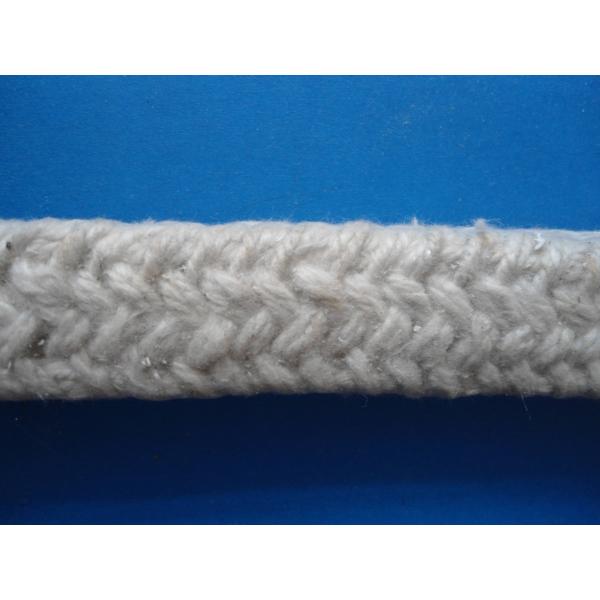
Braided Packing For Pumps , Industrial Gland packing High Temperature Resistance Ceramic

Braided Packing For Pumps , Industrial Gland packing High Temperature Resistance Ceramic

Discover Kaxite Sealing's Braided Packing for Pumps, an industrial gland packing engineered for high-temperature resistance with durable ceramic materials. Ideal for engineers in chemical and oil industries, it ensures reliable sealing, reduces downtime, and boosts operational confidence. Outperforms competitors with superior heat resilience and longevity—trust Kaxite for peak performance in demanding applications.
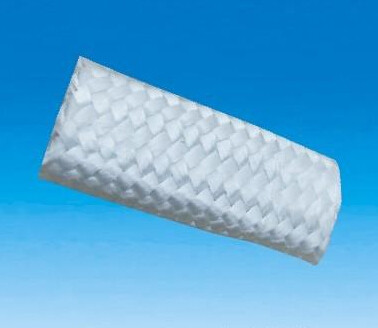
Fiberglass Braided Gland Packing For Pumps Industrial Gland packing Good Sealing Properties

Fiberglass Braided Gland Packing For Pumps Industrial Gland packing Good Sealing Properties

Discover Kaxite Sealing's Fiberglass Braided Gland Packing for pumps—ideal for industrial sealing with excellent properties. Its durable fiberglass braid ensures reliable performance, preventing leaks in demanding environments like water treatment or chemical plants. Enjoy peace of mind with superior sealing that outlasts competitors. Perfect for engineers and maintenance teams seeking efficiency. Elevate your operations today!
High Water-based Gland Packing Solvent Resistance Good flexibility For Pumps

High Water-based Gland Packing Solvent Resistance Good flexibility For Pumps

Kaxite Sealing's High Water-based Gland Packing offers exceptional solvent resistance and superior flexibility, ideal for pumps in demanding industrial environments. Engineered to prevent leaks and extend equipment life, this reliable solution reduces maintenance costs and downtime. Experience enhanced performance and peace of mind with Kaxite Sealing.
High Resilience Kevlar Gland packing Low Cold Flow Chemical resistance

High Resilience Kevlar Gland packing Low Cold Flow Chemical resistance

Kaxite Sealing’s High Resilience Kevlar Gland Packing offers superior performance with low cold flow and excellent chemical resistance. Ideal for demanding industrial applications, it ensures long-lasting durability and reliability, solving common sealing failures. Experience peace of mind with a product that outperforms competitors in harsh conditions. Trust Kaxite Sealing for unmatched quality and efficiency.
High Strength Acrylic Packing Industrial Gland packing Good Sealing Properties

High Strength Acrylic Packing Industrial Gland packing Good Sealing Properties

Kaxite Sealing's High Strength Acrylic Packing offers reliable industrial gland sealing with excellent durability and leak prevention. Ideal for demanding applications, it ensures operational safety and efficiency, outperforming standard options with superior material quality.
Carbon Gland packing Solvent Resistance High Strength Self lubrication

Carbon Gland packing Solvent Resistance High Strength Self lubrication

Discover Kaxite Sealing's Carbon Gland packing—engineered for superior solvent resistance, high strength, and self-lubrication. Ideal for demanding industrial applications, it ensures reliable sealing, reduces maintenance, and boosts efficiency. Trust Kaxite for unmatched durability and performance that solves leaks and extends equipment life.
X
We use cookies to offer you a better browsing experience, analyze site traffic and personalize content. By using this site, you agree to our use of cookies. Privacy Policy
Reject Accept