Ningbo Kaxite Sealing Materials Co., Ltd.
Products

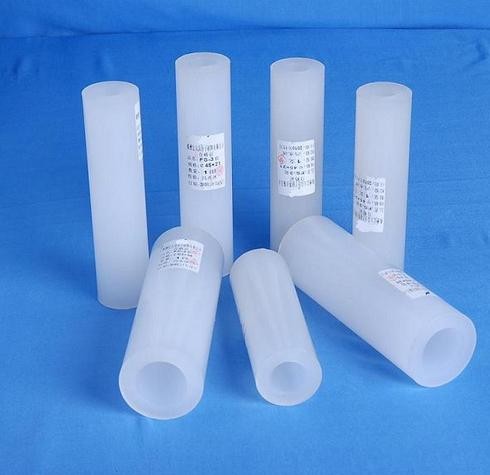
FEP Tube

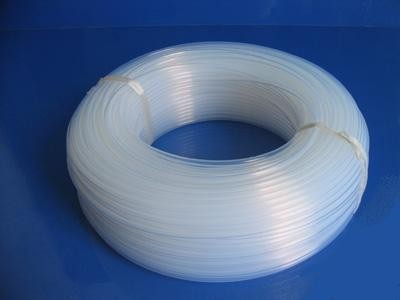
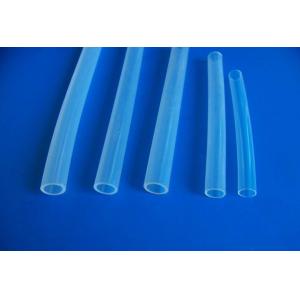
FEP Tube, also known as Fluorinated Ethylene Propylene Tube, is a high-performance fluoropolymer tubing widely used in industries requiring exceptional chemical resistance, high purity, and thermal stability. This versatile tubing is manufactured from FEP resin, a copolymer of tetrafluoroethylene and hexafluoropropylene, which imparts outstanding properties suitable for demanding applications. Below is a comprehensive overview of its parameters, features, applications, and frequently asked questions.

Key Parameters of FEP Tube

FEP Tube is characterized by several critical parameters that define its performance and suitability for various applications. Here is a detailed list of key specifications:

  • Material Composition: Fluorinated Ethylene Propylene (FEP) resin, a type of fluoropolymer.
  • Operating Temperature Range: -200°C to +205°C (-328°F to +401°F), with short-term exposure up to 230°C (446°F).
  • Melting Point: Approximately 260°C (500°F).
  • Tensile Strength: Typically 20-30 MPa (2900-4350 psi).
  • Elongation at Break: 250-330%, indicating high flexibility.
  • Dielectric Strength: Around 20 kV/mm, making it excellent for electrical insulation.
  • Chemical Resistance: Resistant to most chemicals, including acids, bases, solvents, and oils. It is inert to many aggressive environments.
  • Surface Finish: Smooth, non-stick, and low-friction surface, reducing contamination and allowing easy cleaning.
  • Transparency: High optical clarity, enabling visual inspection of fluid flow.
  • Permeability: Low gas and vapor permeability, ideal for sensitive applications.
  • Radiation Resistance: Good resistance to UV and gamma radiation.
  • Flame Resistance: Self-extinguishing and meets UL94 V-0 standards.
  • Biocompatibility: Compliant with USP Class VI and ISO 10993 standards for medical use.
  • Standard Colors: Clear (natural), but available in custom colors upon request.
  • Standard Sizes: Available in various inner diameters (ID) and outer diameters (OD), commonly from 1 mm to 50 mm ID.

Detailed Specifications Table

For a precise comparison, refer to the table below outlining standard FEP Tube specifications:

Parameter Value Units Remarks
Inner Diameter (ID) 1 - 50 mm Custom sizes available
Wall Thickness 0.5 - 5 mm Varies with ID
Density 2.15 g/cm³ Standard value
Hardness (Shore D) 55-60 - Indicates moderate rigidity
Coefficient of Friction 0.2-0.3 - Very low, non-stick
Water Absorption < 0.01% - Negligible
Thermal Conductivity 0.20 W/m·K Low, good insulator
Linear Expansion Coefficient 8-12 x 10⁻⁵ 1/°C Stable over temperature range

Applications of FEP Tube

FEP Tube is utilized across multiple industries due to its robust properties. Common applications include:

  • Chemical Processing: Transfer of corrosive chemicals, acids, and solvents without degradation.
  • Pharmaceutical and Biotechnology: Used in fluid handling systems, peristaltic pumps, and bioreactors where purity and sterility are critical.
  • Food and Beverage: Suitable for conveying liquids and gases in processing lines, meeting FDA compliance for food contact.
  • Semiconductor Manufacturing: Employed in ultra-pure water systems and chemical delivery due to low particle shedding.
  • Medical Devices: Applications in catheters, diagnostic equipment, and drug delivery systems, benefiting from biocompatibility.
  • Automotive and Aerospace: Used in fuel lines, hydraulic systems, and electrical insulation for its temperature and chemical resistance.
  • Laboratory Equipment: Ideal for tubing in analyzers, chromatography, and sample handling.
  • Electrical Insulation: Protects wires and cables in high-temperature environments.

These applications highlight the versatility of FEP Tube in environments demanding reliability and performance.

FAQ: Frequently Asked Questions About FEP Tube

What is FEP Tube made of?
FEP Tube is manufactured from Fluorinated Ethylene Propylene (FEP), a fluoropolymer resin. This material is a copolymer of tetrafluoroethylene and hexafluoropropylene, providing excellent chemical resistance, thermal stability, and electrical insulation properties. It is known for its transparency and flexibility, making it suitable for various industrial and medical uses.

What are the temperature limits for FEP Tube?
FEP Tube can operate continuously within a temperature range of -200°C to +205°C (-328°F to +401°F). For short-term exposure, it can withstand temperatures up to 230°C (446°F) without significant degradation. This wide range makes it ideal for applications involving extreme cold or heat, such as cryogenics or high-temperature fluid transfer.

Is FEP Tube resistant to chemicals?
Yes, FEP Tube exhibits outstanding chemical resistance. It is inert to most acids, bases, solvents, oils, and aggressive chemicals, including hydrochloric acid, sulfuric acid, and organic solvents. This resistance prevents swelling, cracking, or chemical attack, ensuring long-term durability in corrosive environments. However, it may not be suitable for certain fluorinated compounds at high temperatures.

Can FEP Tube be used in medical applications?
Absolutely. FEP Tube is biocompatible and complies with standards such as USP Class VI and ISO 10993, making it safe for medical and pharmaceutical use. It is commonly used in devices like catheters, IV lines, and drug delivery systems where non-toxicity, sterility, and clarity are essential. Always verify specific regulatory requirements for your application.

How does FEP Tube compare to PTFE tubing?
FEP Tube and PTFE (Polytetrafluoroethylene) tubing share similar chemical resistance, but FEP is more flexible and has a lower melting point (around 260°C for FEP vs. 327°C for PTFE). FEP is also transparent, while PTFE is often opaque. FEP is easier to heat-seal and mold, but PTFE may offer slightly better high-temperature performance. The choice depends on specific needs like flexibility, clarity, and temperature range.

What sizes are available for FEP Tube?
FEP Tube is available in a wide range of inner diameters, typically from 1 mm to 50 mm, with customizable wall thicknesses (e.g., 0.5 mm to 5 mm). Standard sizes cater to various flow rates and pressure requirements. For precise dimensions, consult the manufacturer's specifications or request custom cutting to fit specific applications.

Is FEP Tube suitable for outdoor use?
Yes, FEP Tube has good UV and weather resistance, making it suitable for outdoor applications. Its low permeability and stability under environmental exposure help maintain performance in conditions like sunlight, rain, and temperature fluctuations. However, for extended outdoor use, consider factors like mechanical stress and potential degradation over time in harsh climates.

How do I clean and maintain FEP Tube?
Cleaning FEP Tube is straightforward due to its non-stick surface. Use mild detergents, alcohols, or approved solvents, and rinse with deionized water for high-purity applications. Avoid abrasive materials that could scratch the surface. For sterilization, autoclaving at temperatures up to 121°C is possible, but always check compatibility with specific cleaning agents to prevent damage.

Can FEP Tube be welded or bonded?
Yes, FEP Tube can be heat-welded or thermally bonded using specialized equipment like hot-air welders or fusion machines. It does not adhere well with standard adhesives due to its low surface energy, so thermal methods are preferred for creating strong, leak-proof joints. Ensure proper technique to avoid weakening the material.

What are the electrical properties of FEP Tube?
FEP Tube has excellent dielectric properties, with a dielectric strength of approximately 20 kV/mm and a low dissipation factor. It serves as an effective electrical insulator in high-voltage and high-frequency applications. Its stability across a broad temperature range makes it reliable for wiring, cables, and electronic components.

View as  
 
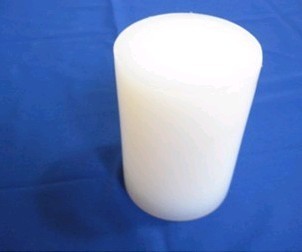
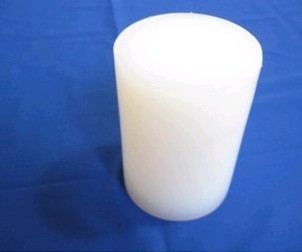
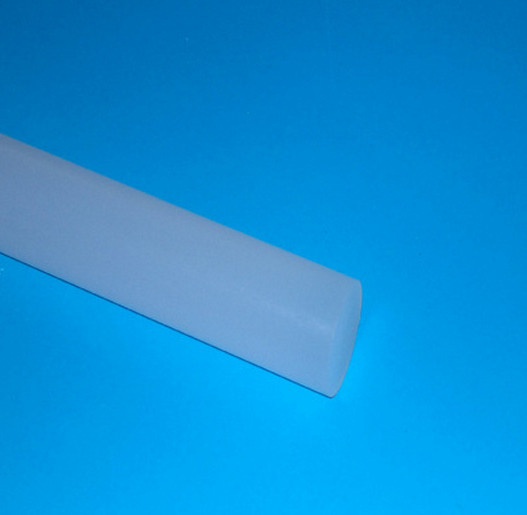
2.17g/cm³ FEP Tube / FEP Rod For Petrochemical , Corrosion Resistant

2.17g/cm³ FEP Tube / FEP Rod For Petrochemical , Corrosion Resistant

Discover Kaxite Sealing's 2.17g/cm³ FEP Tube and FEP Rod, engineered for petrochemical applications with exceptional corrosion resistance. Ideal for industries facing harsh chemical environments, this high-density fluoropolymer offers superior durability and reliability, ensuring long-term performance and peace of mind. Choose Kaxite for unmatched quality and innovation.
X
We use cookies to offer you a better browsing experience, analyze site traffic and personalize content. By using this site, you agree to our use of cookies. Privacy Policy
Reject Accept